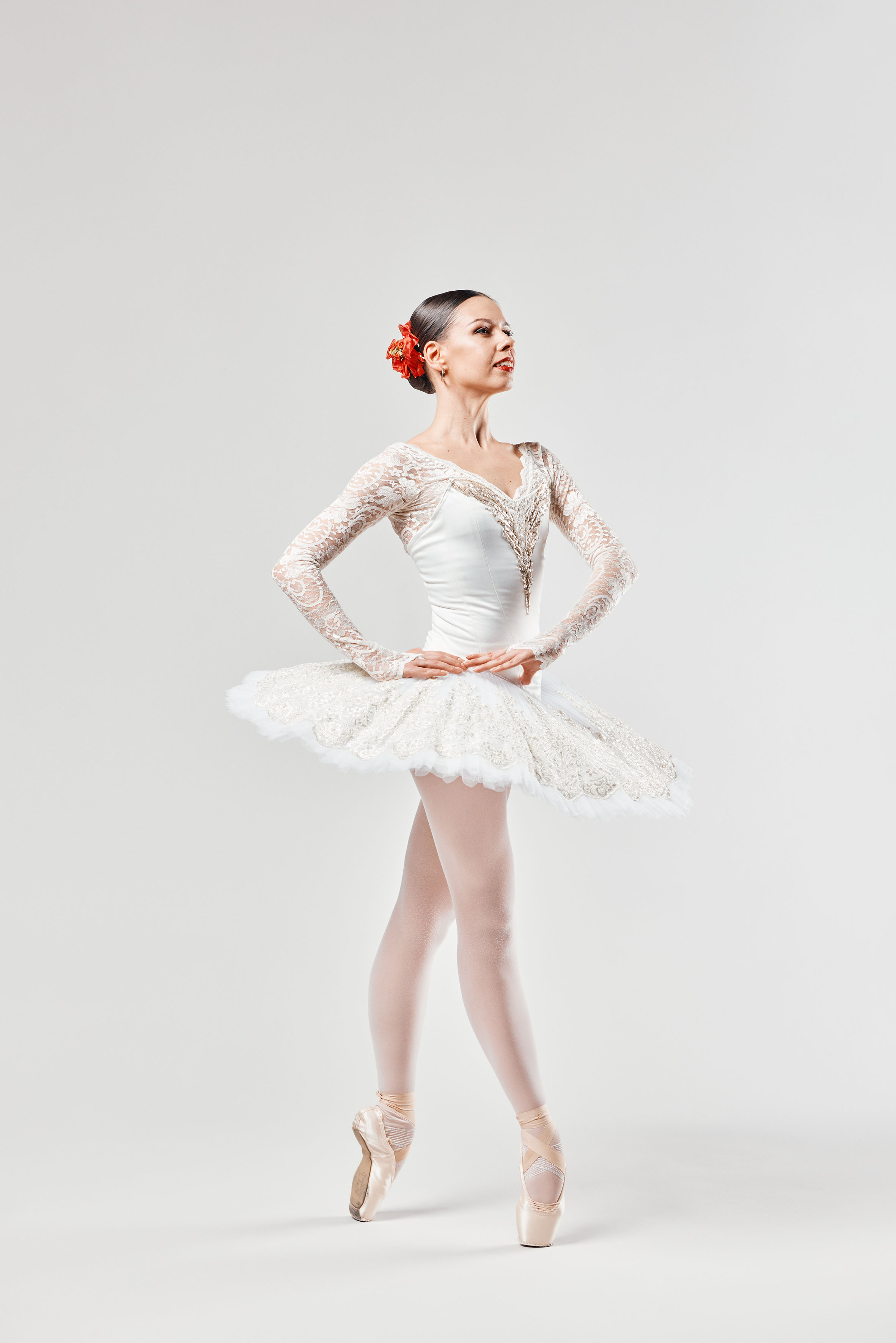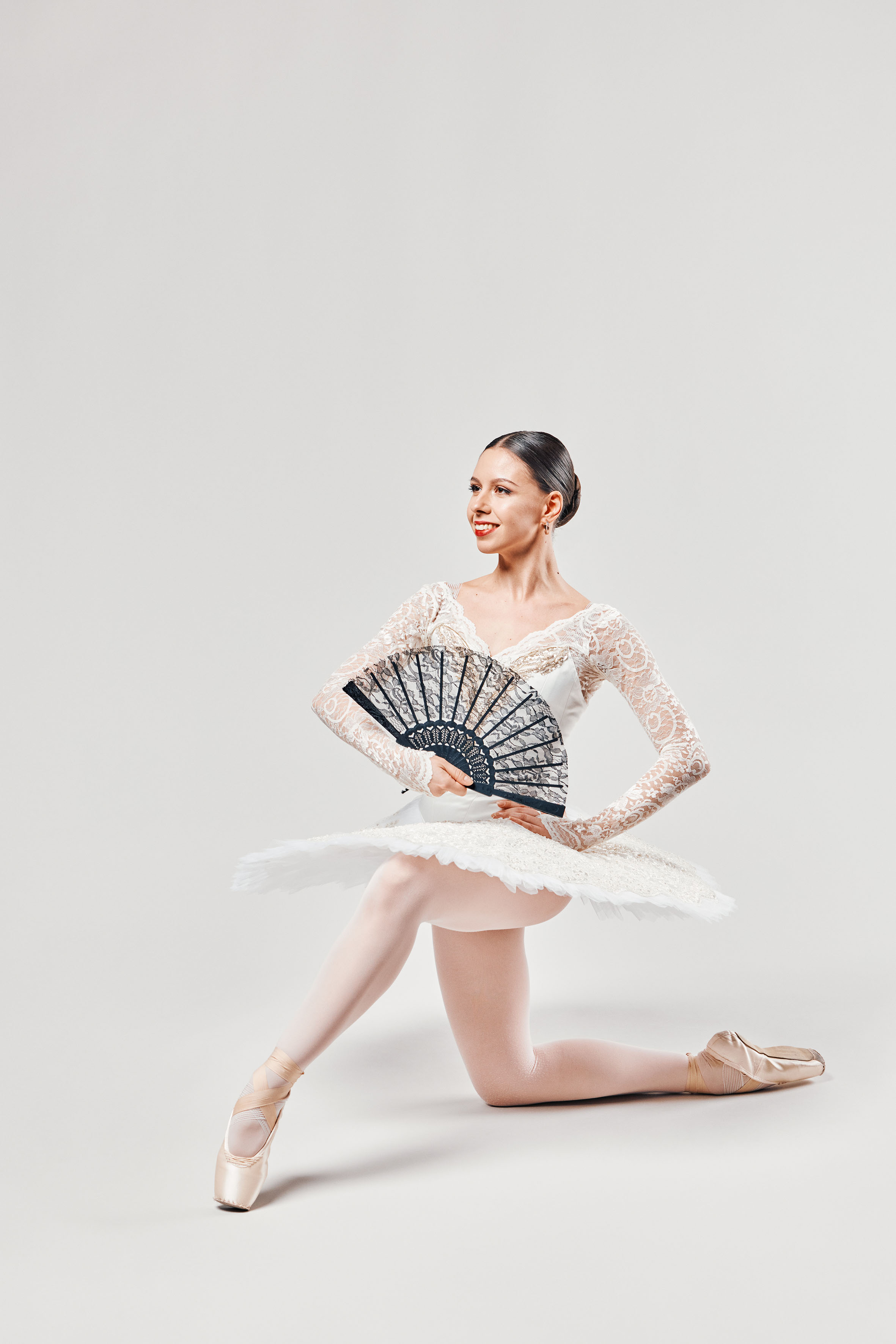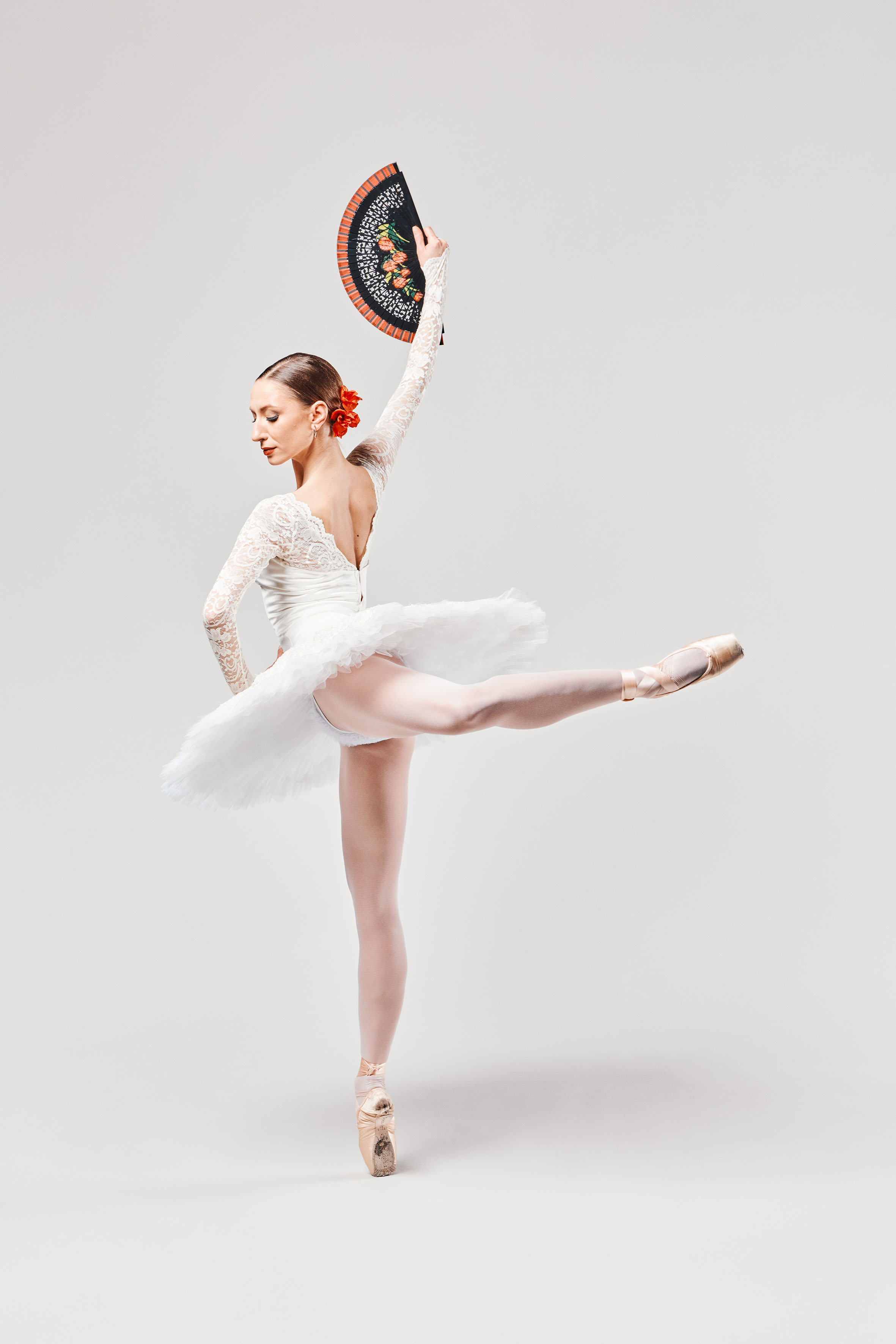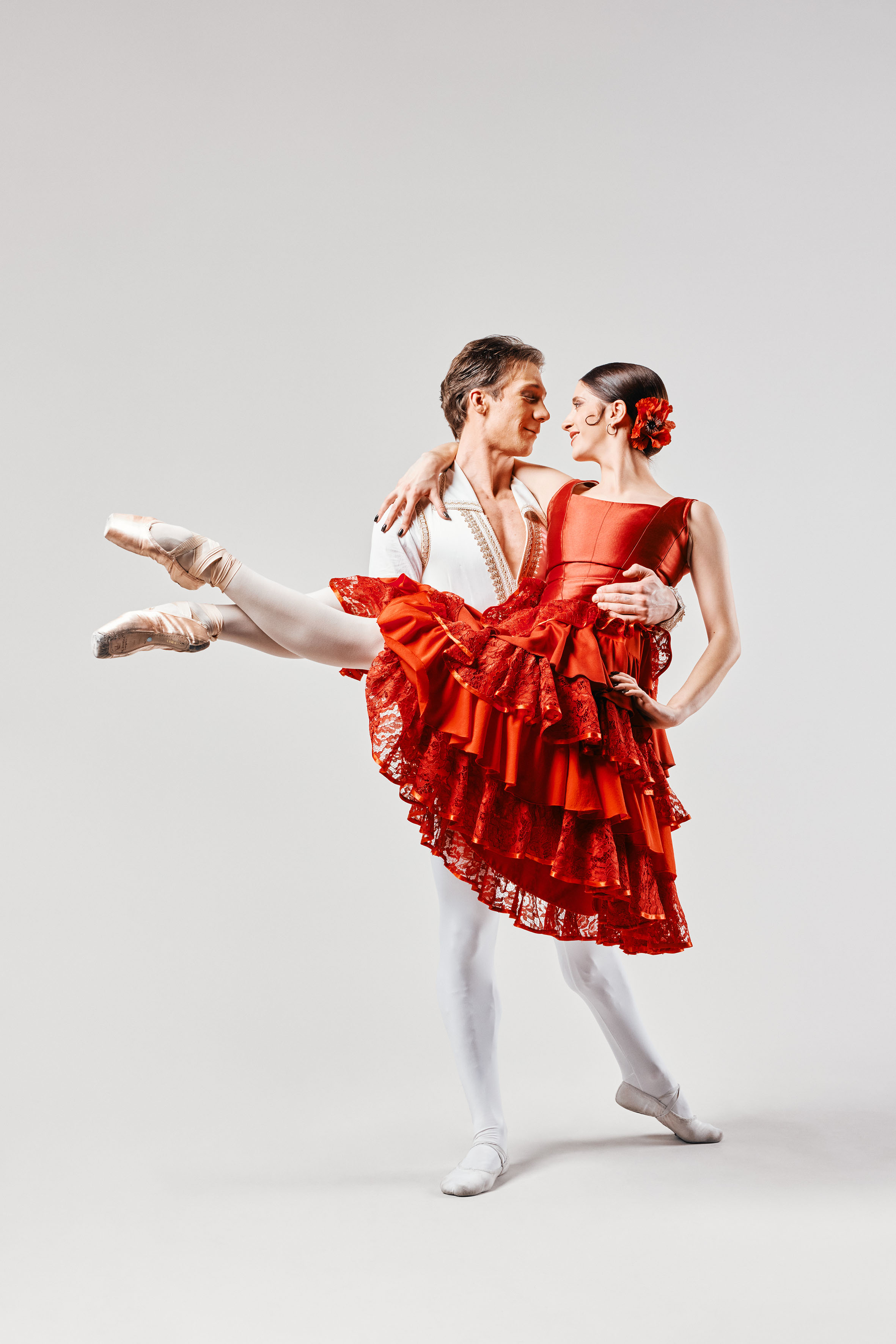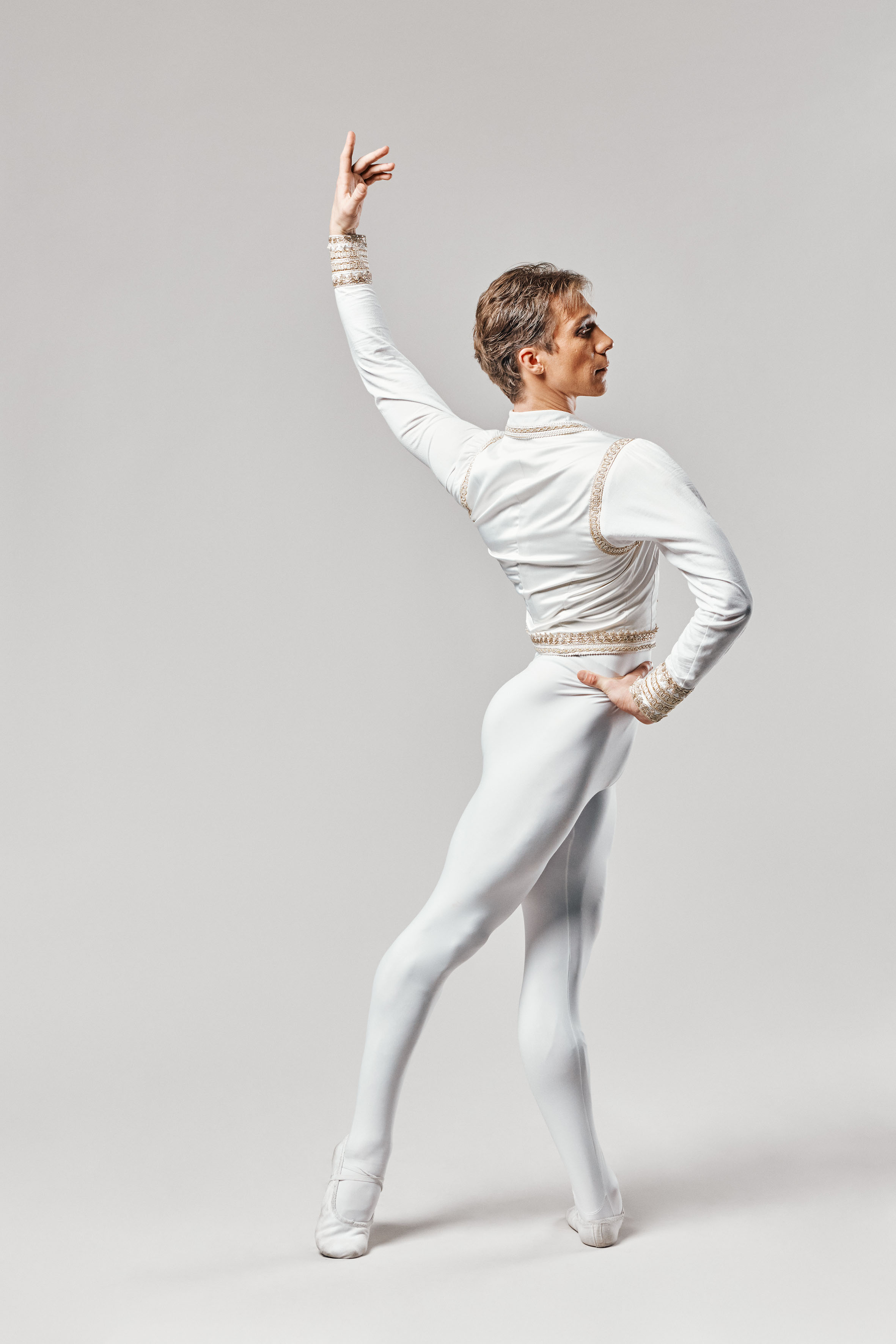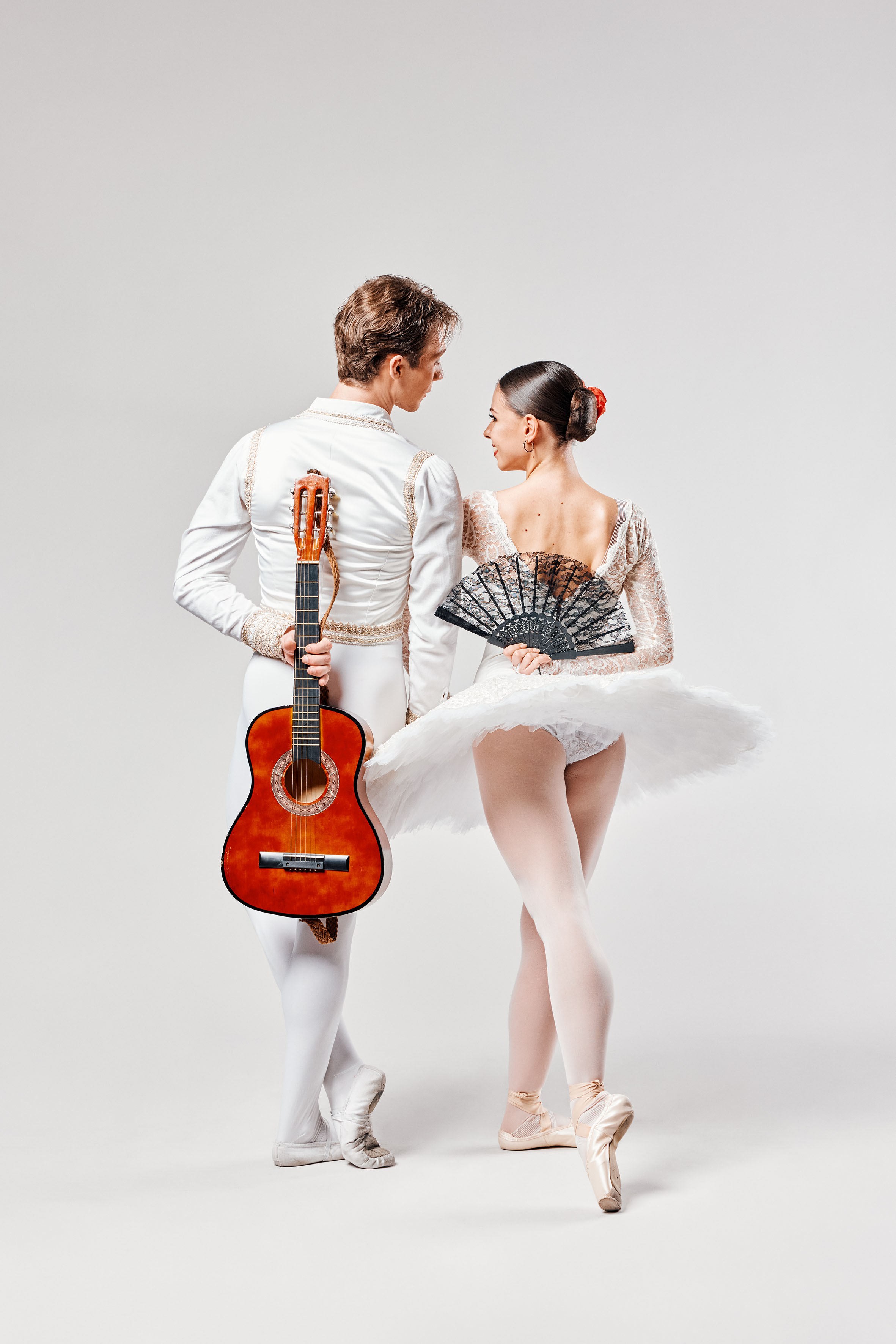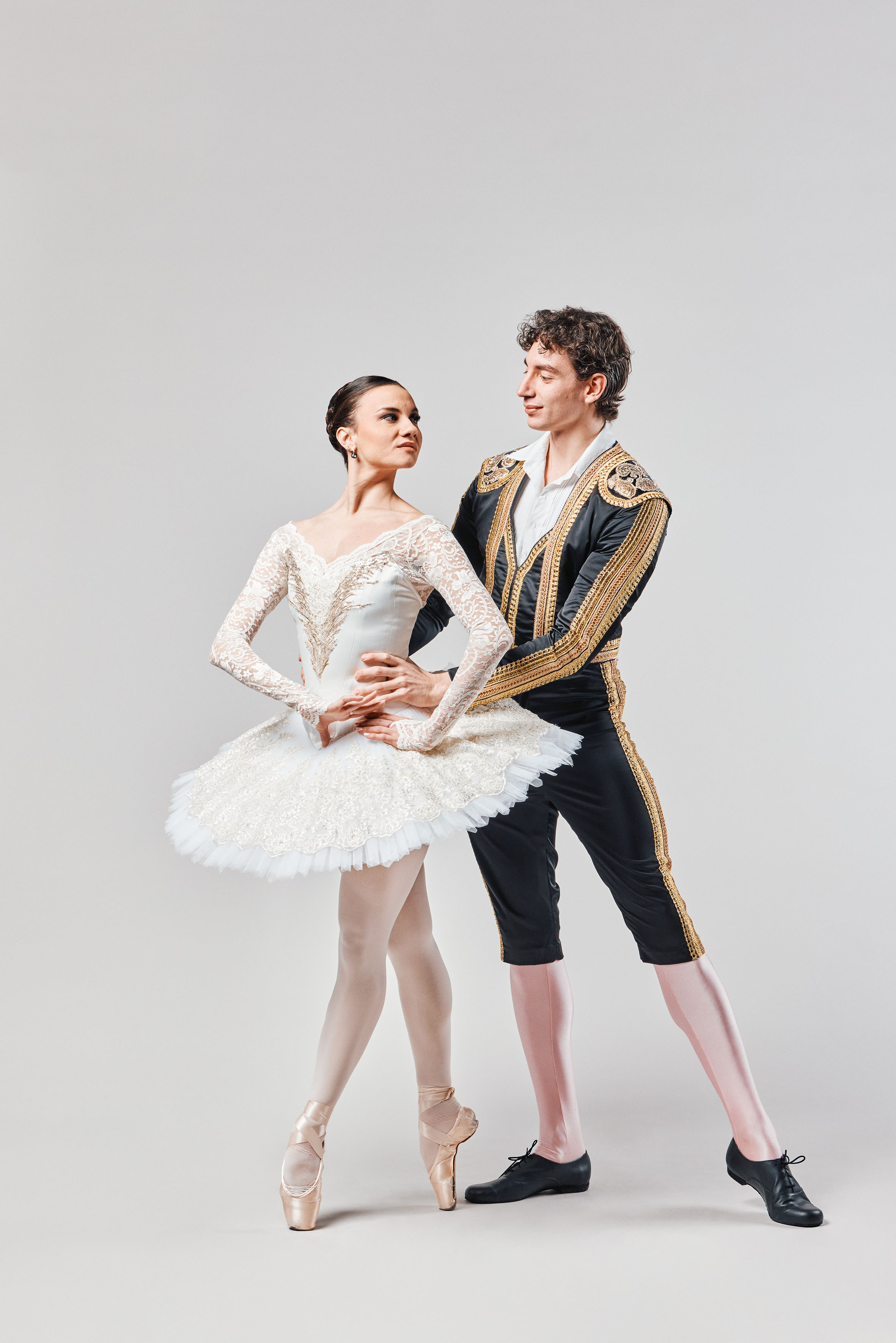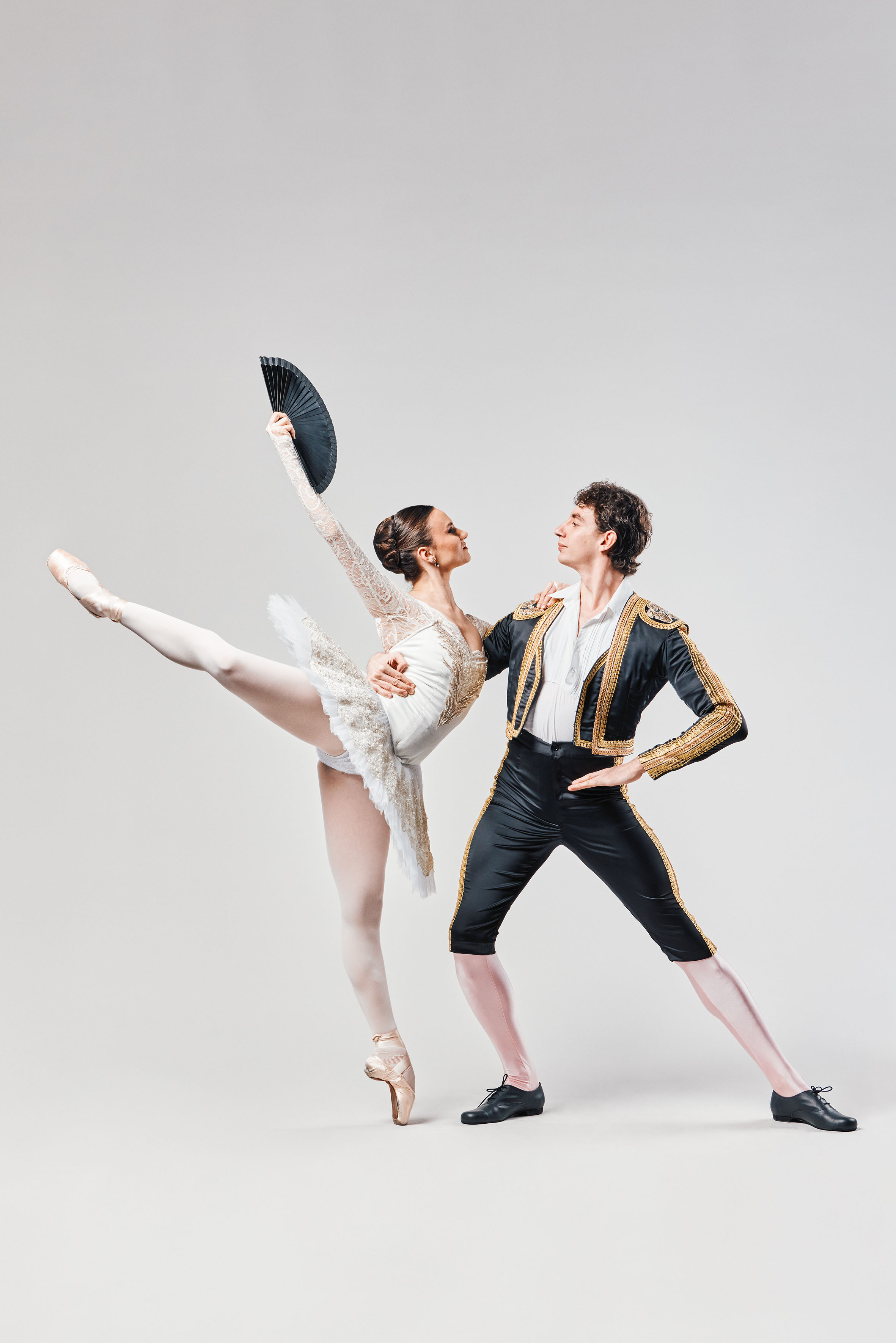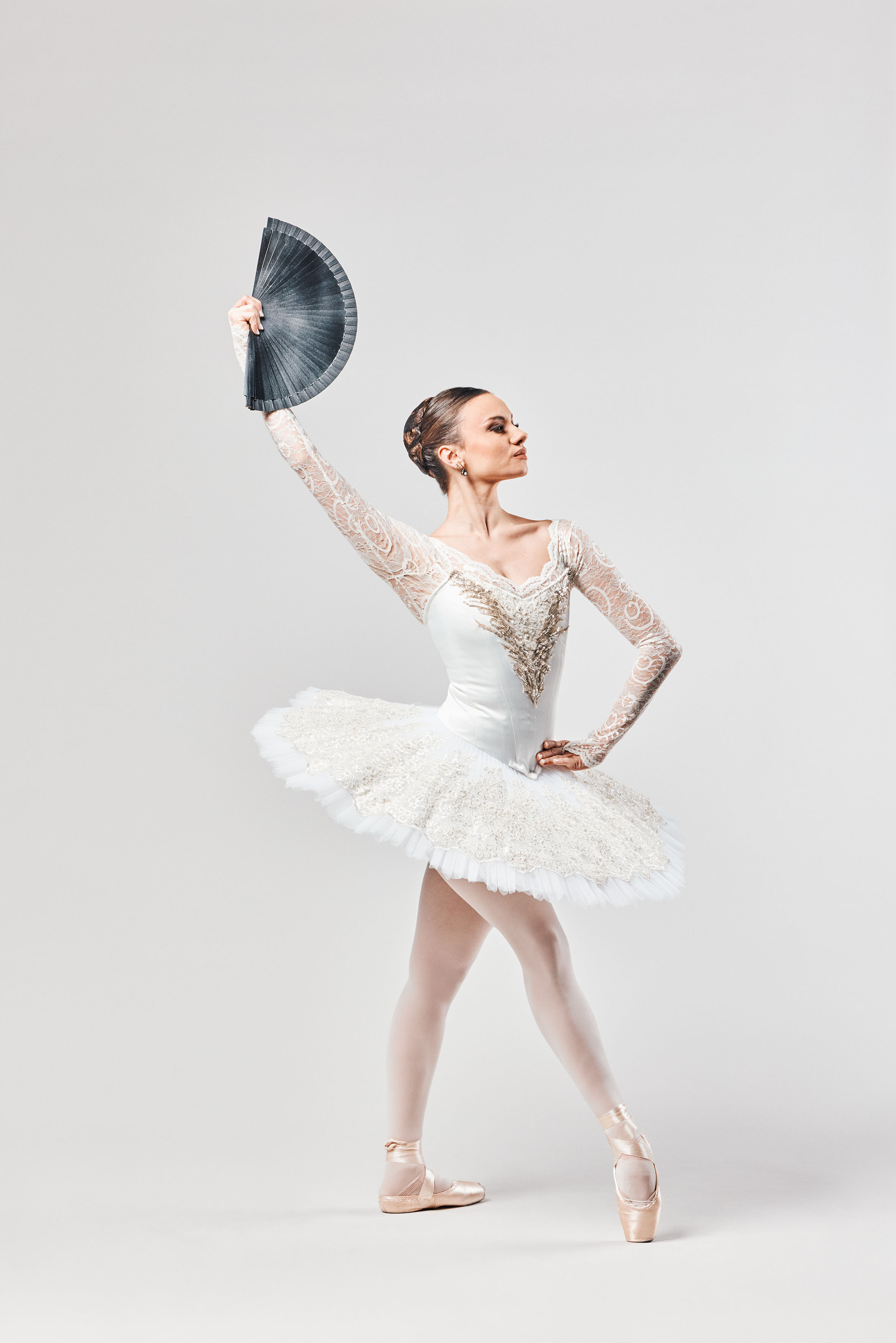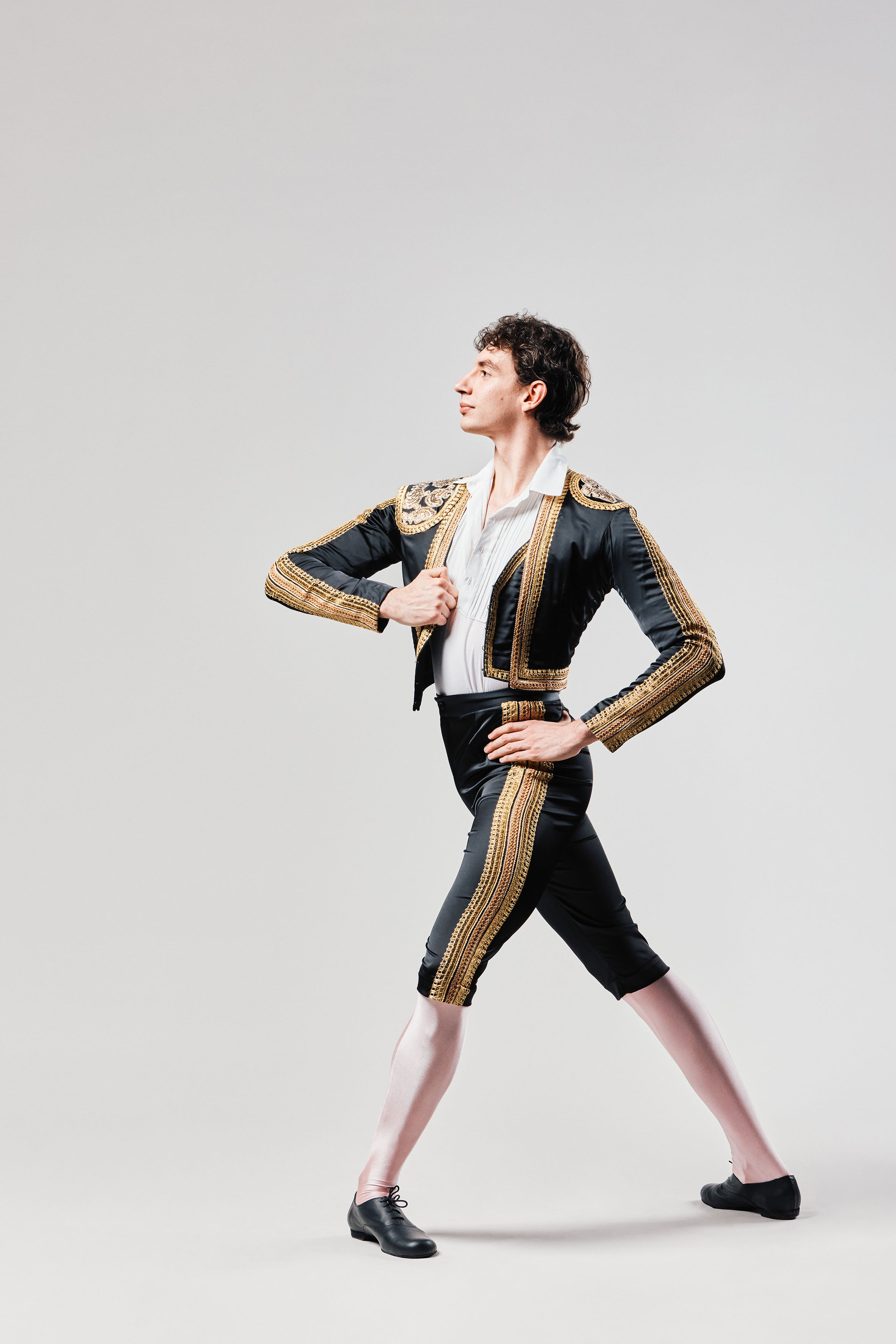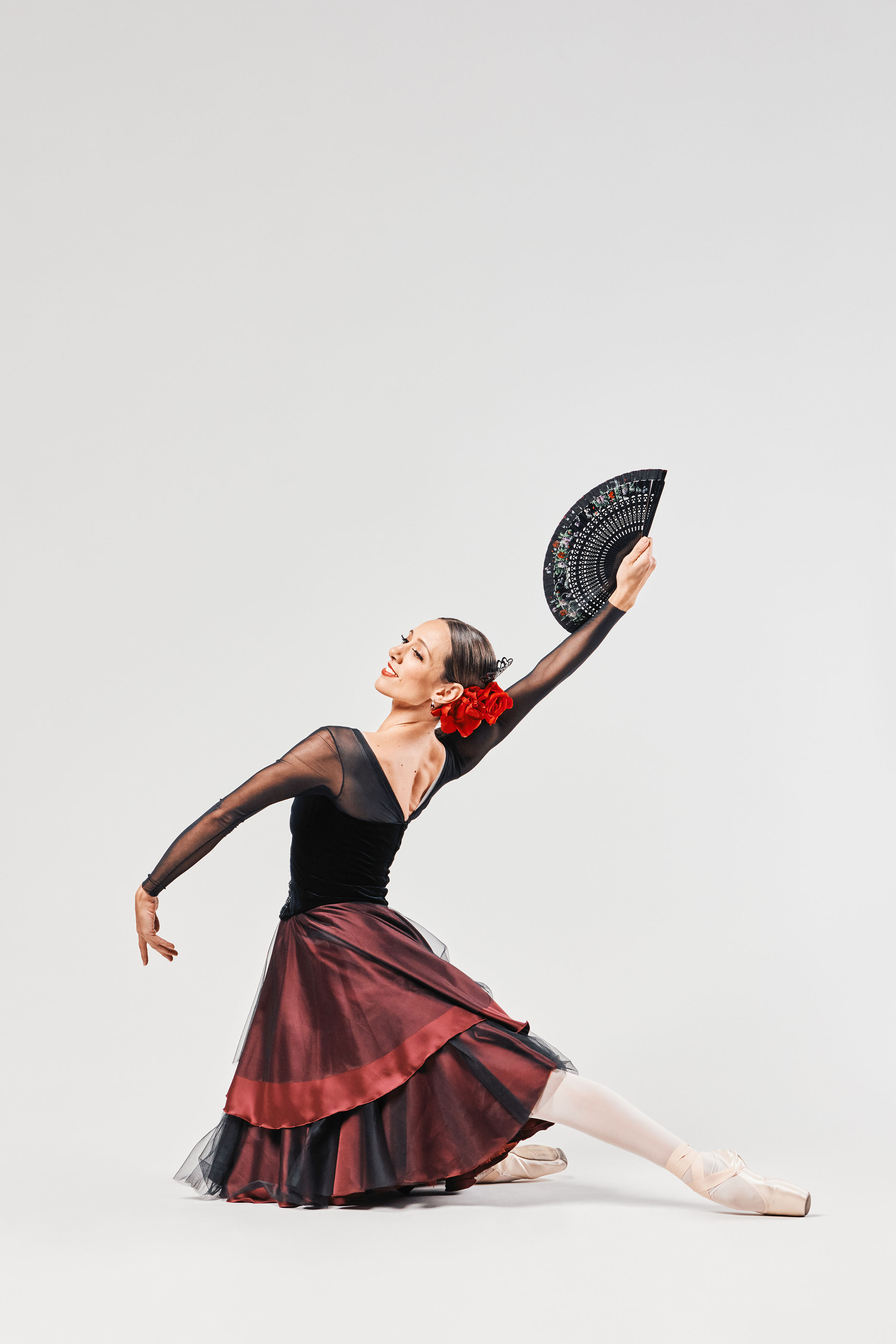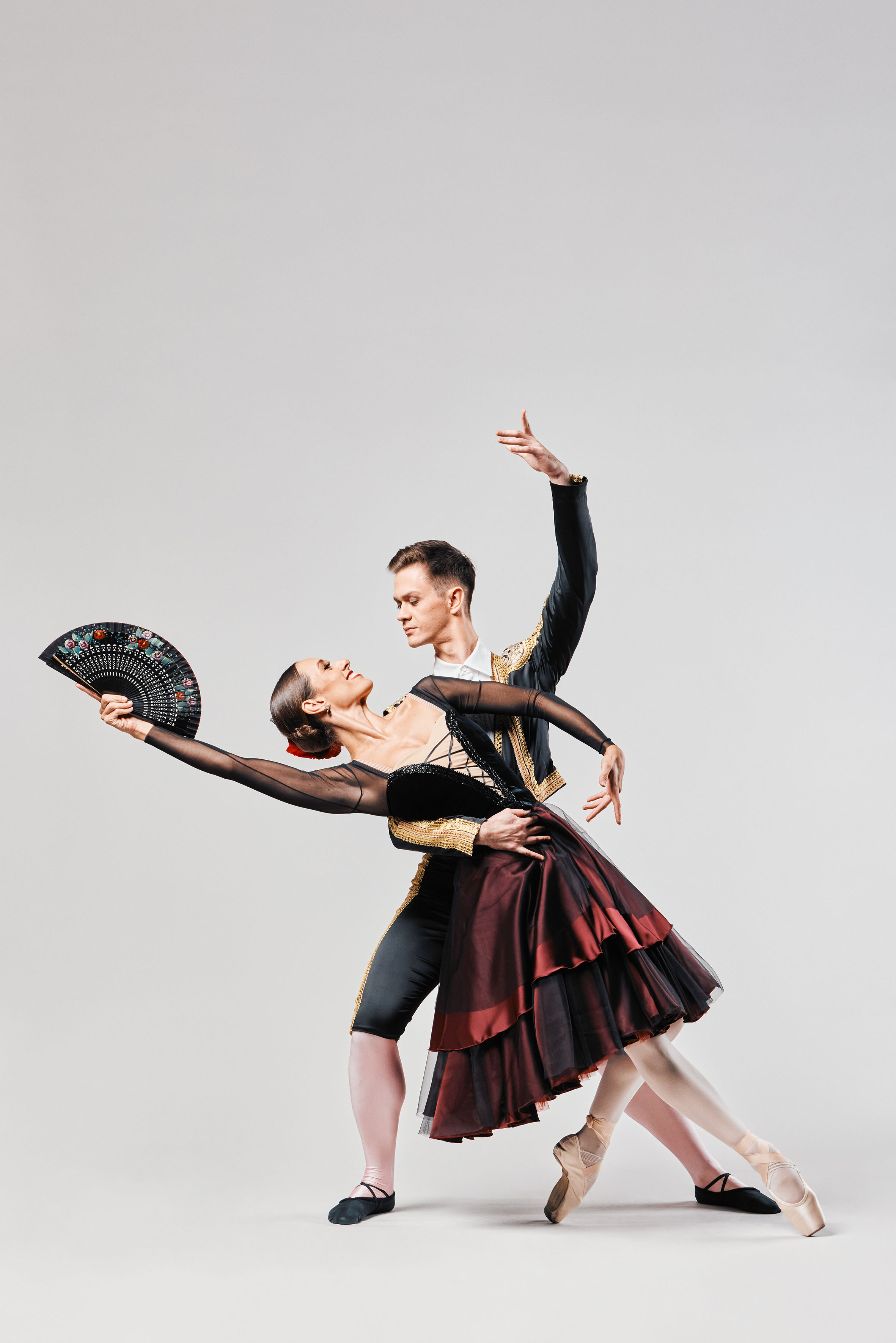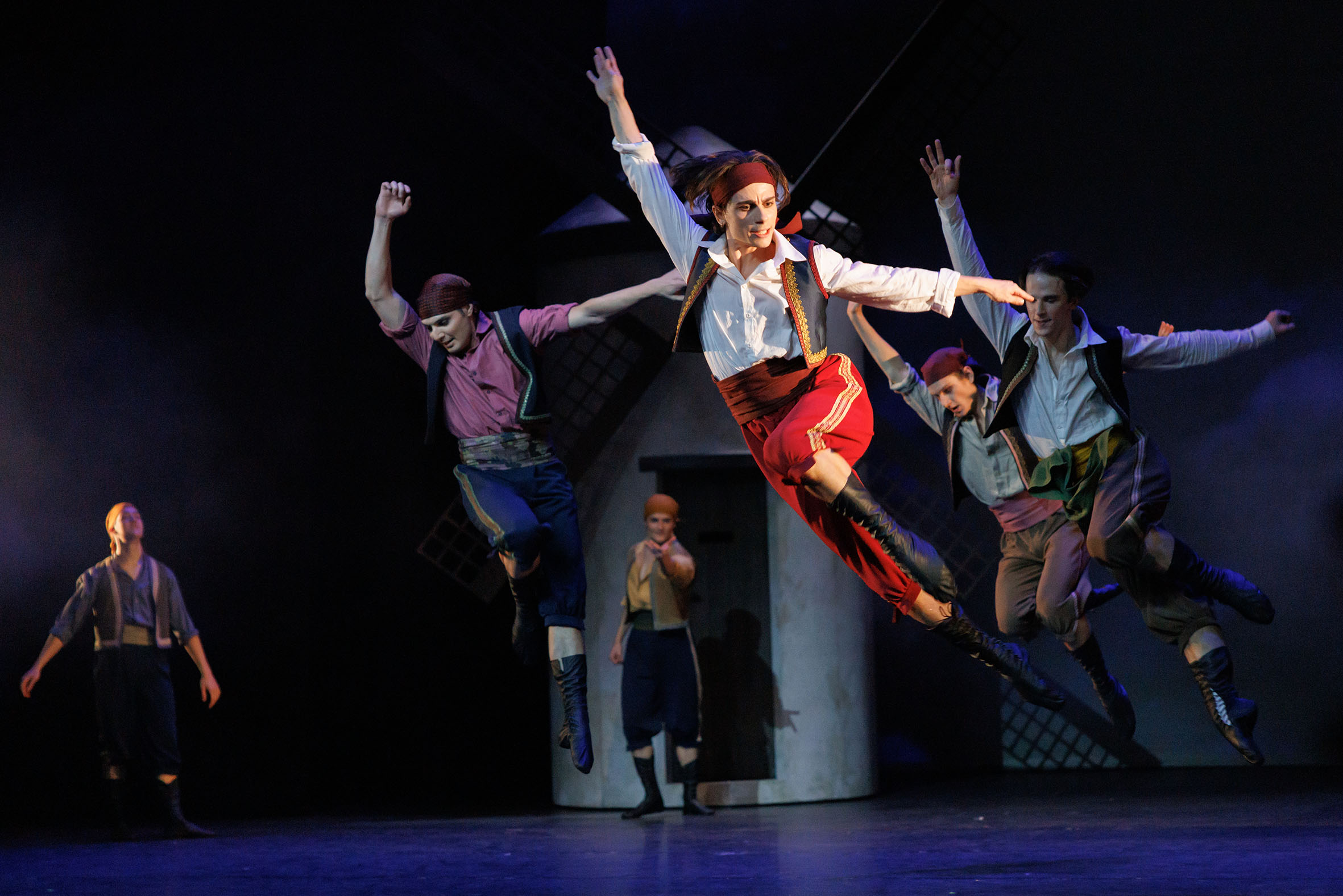
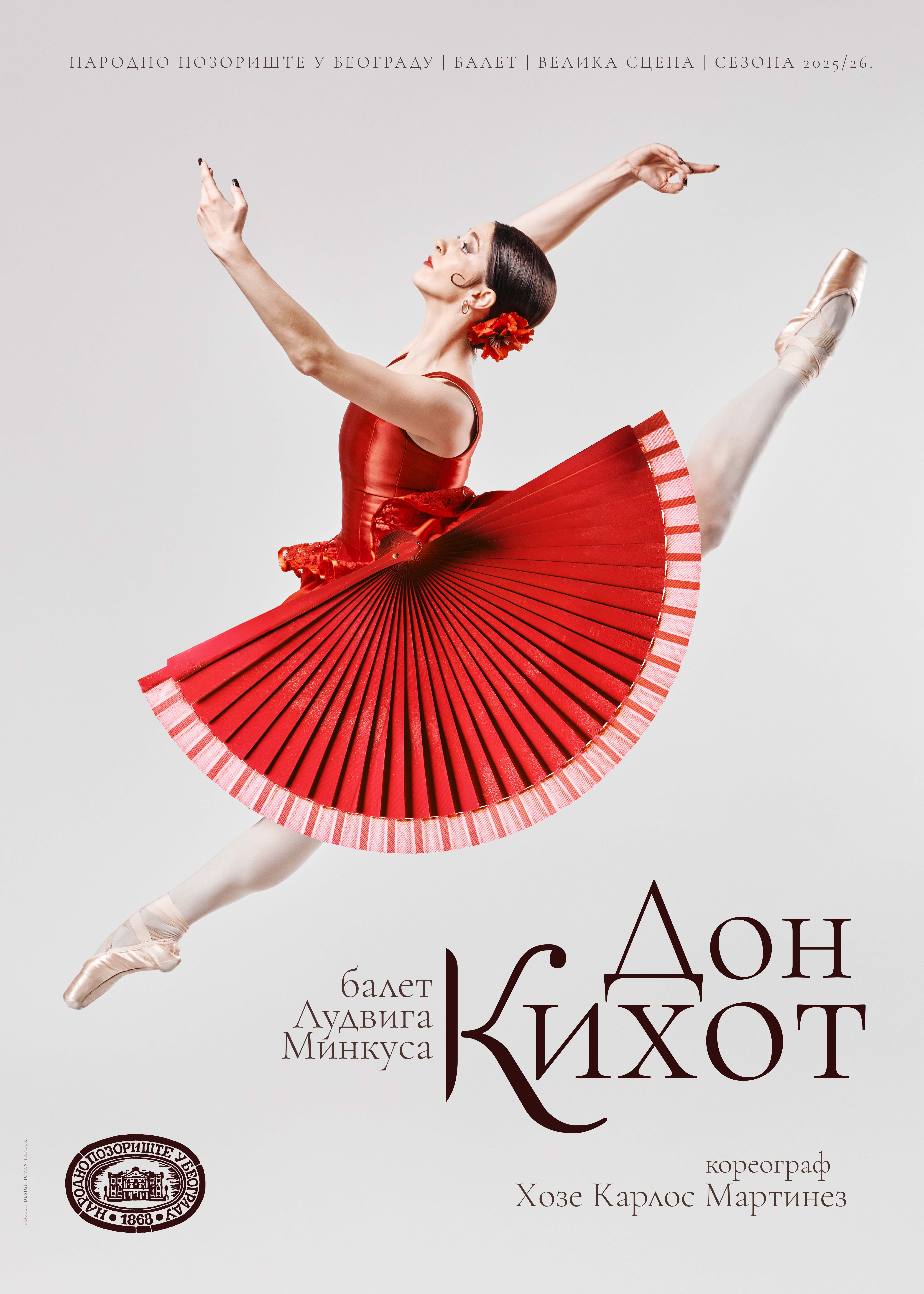
Don Quixote
ballet by Ludwig Minkus
AUTHOR’S NOTE
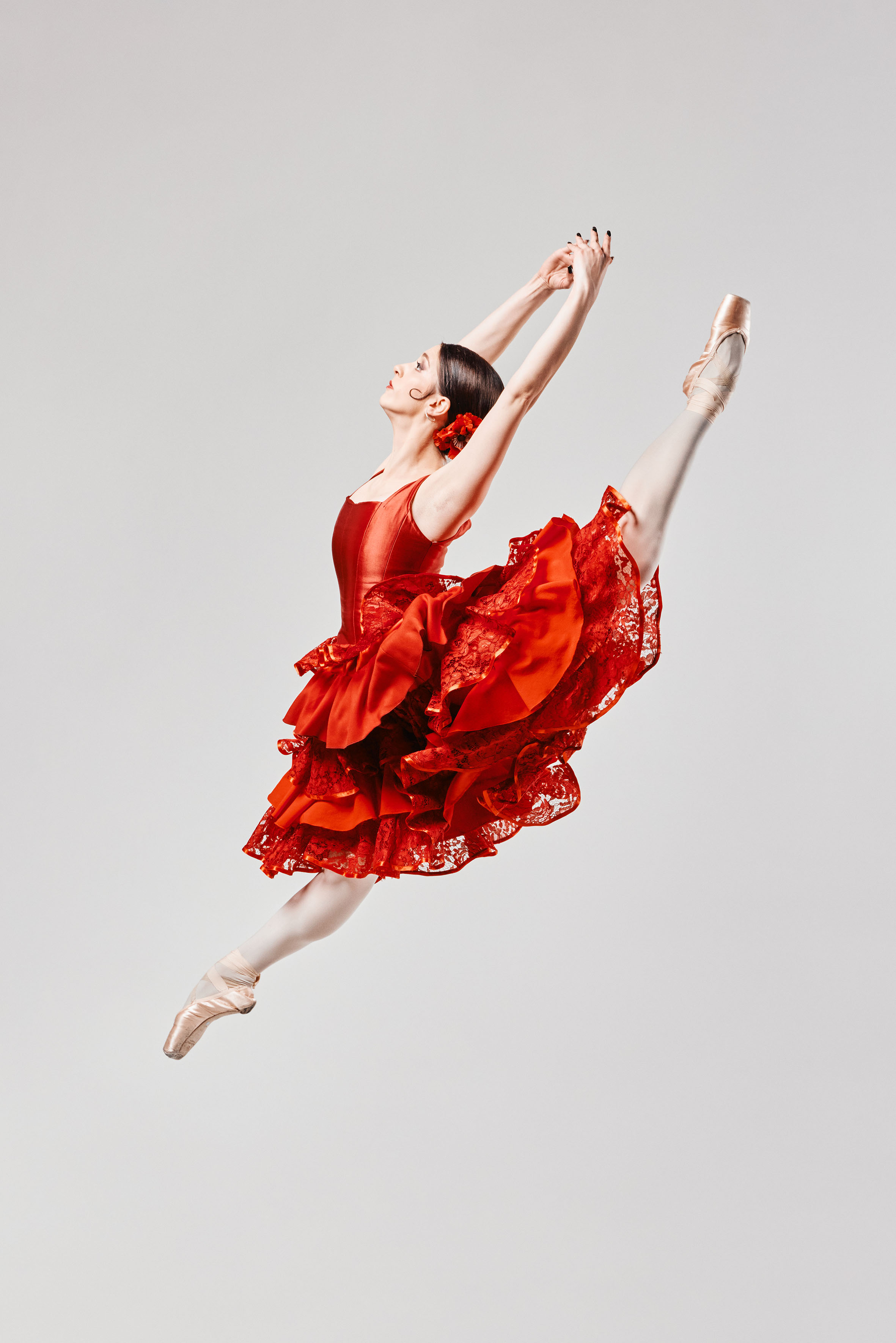
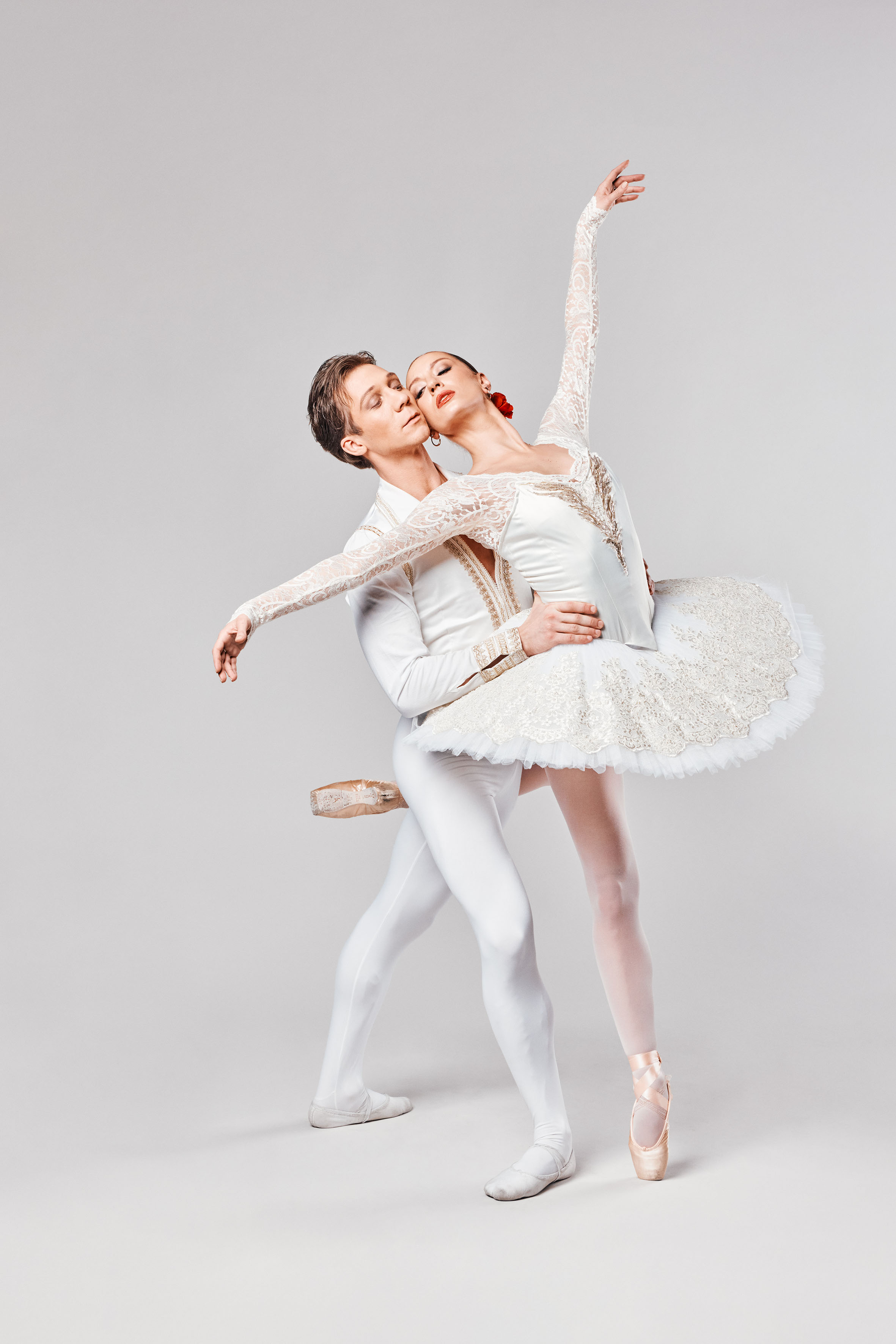
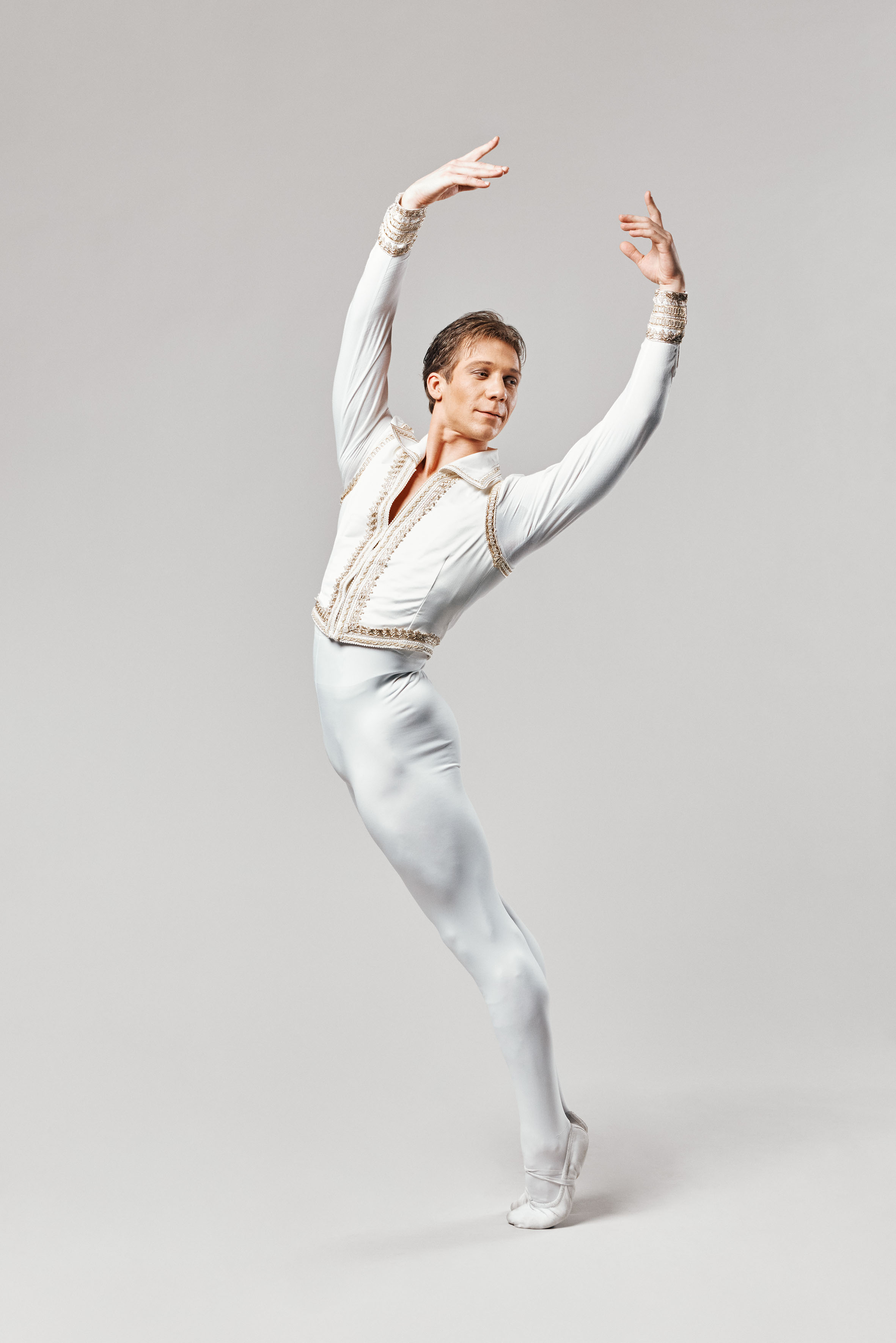
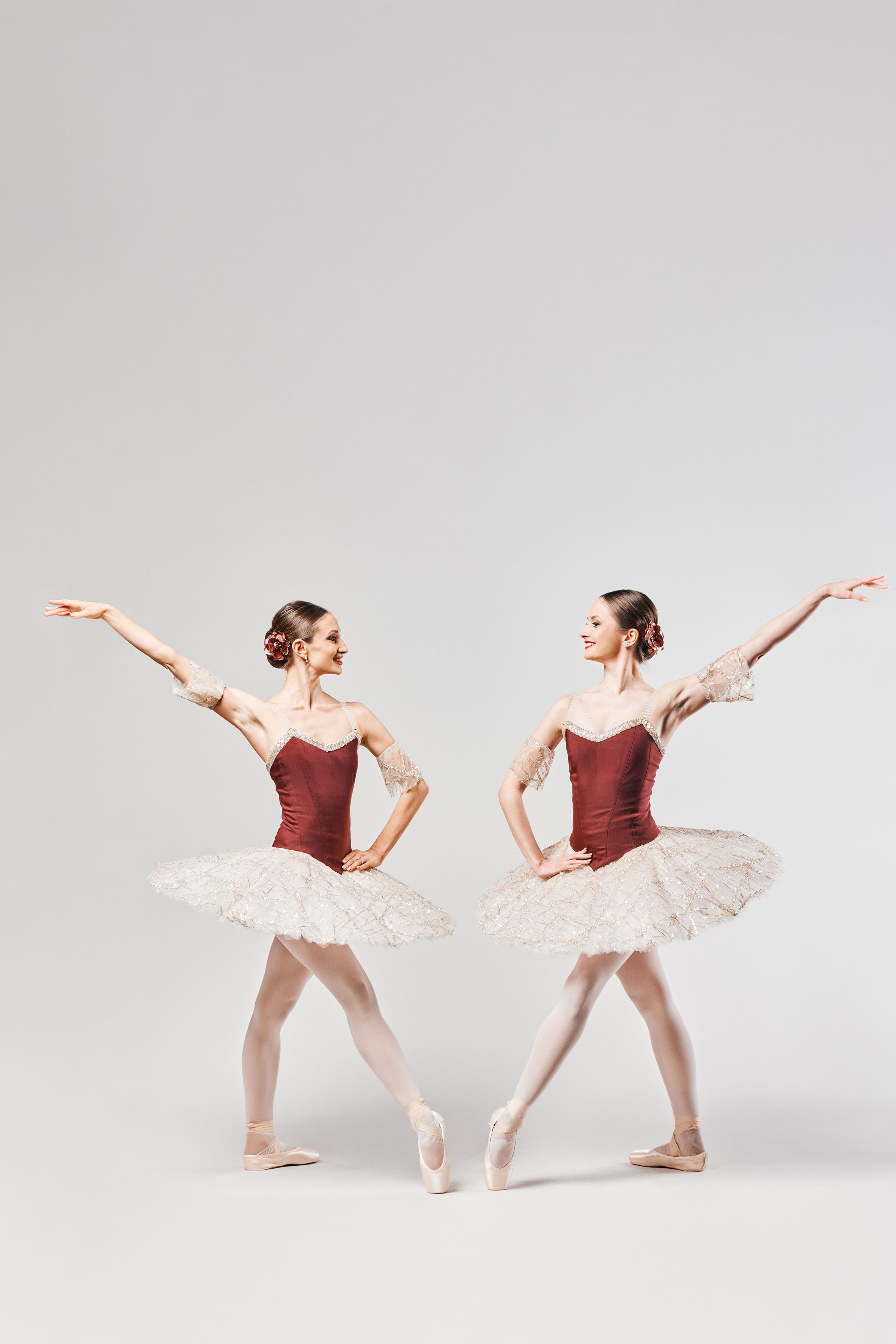
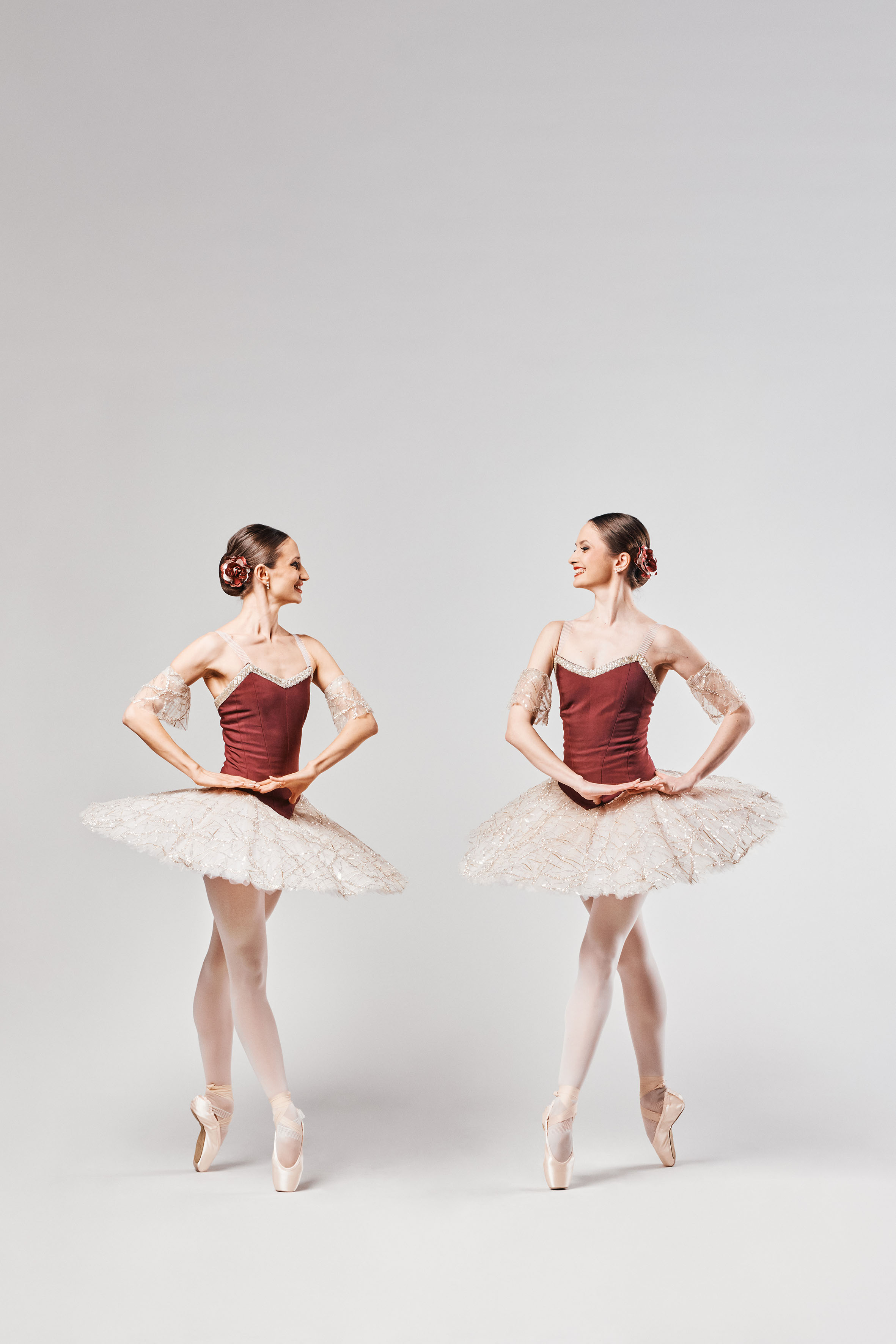
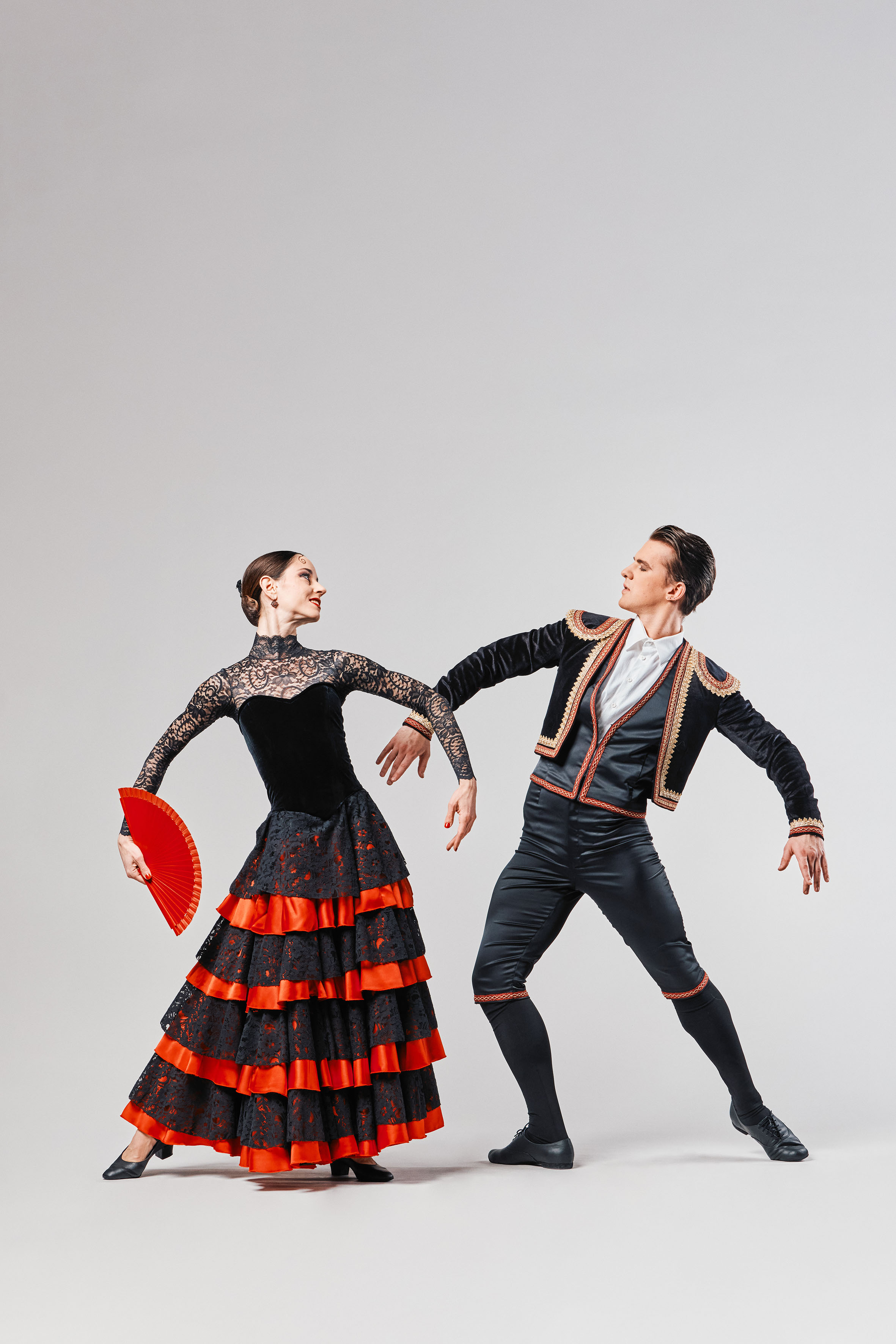
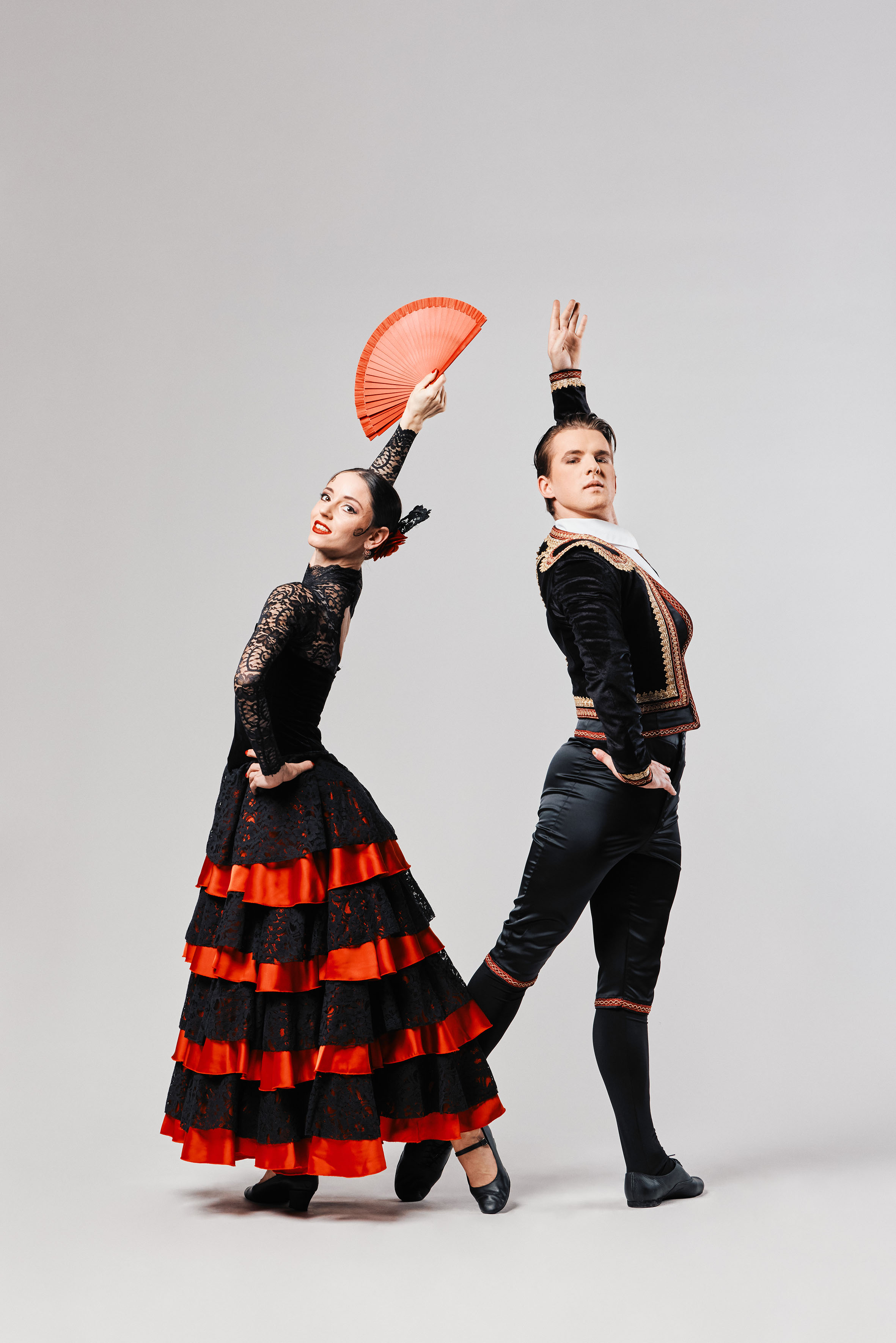
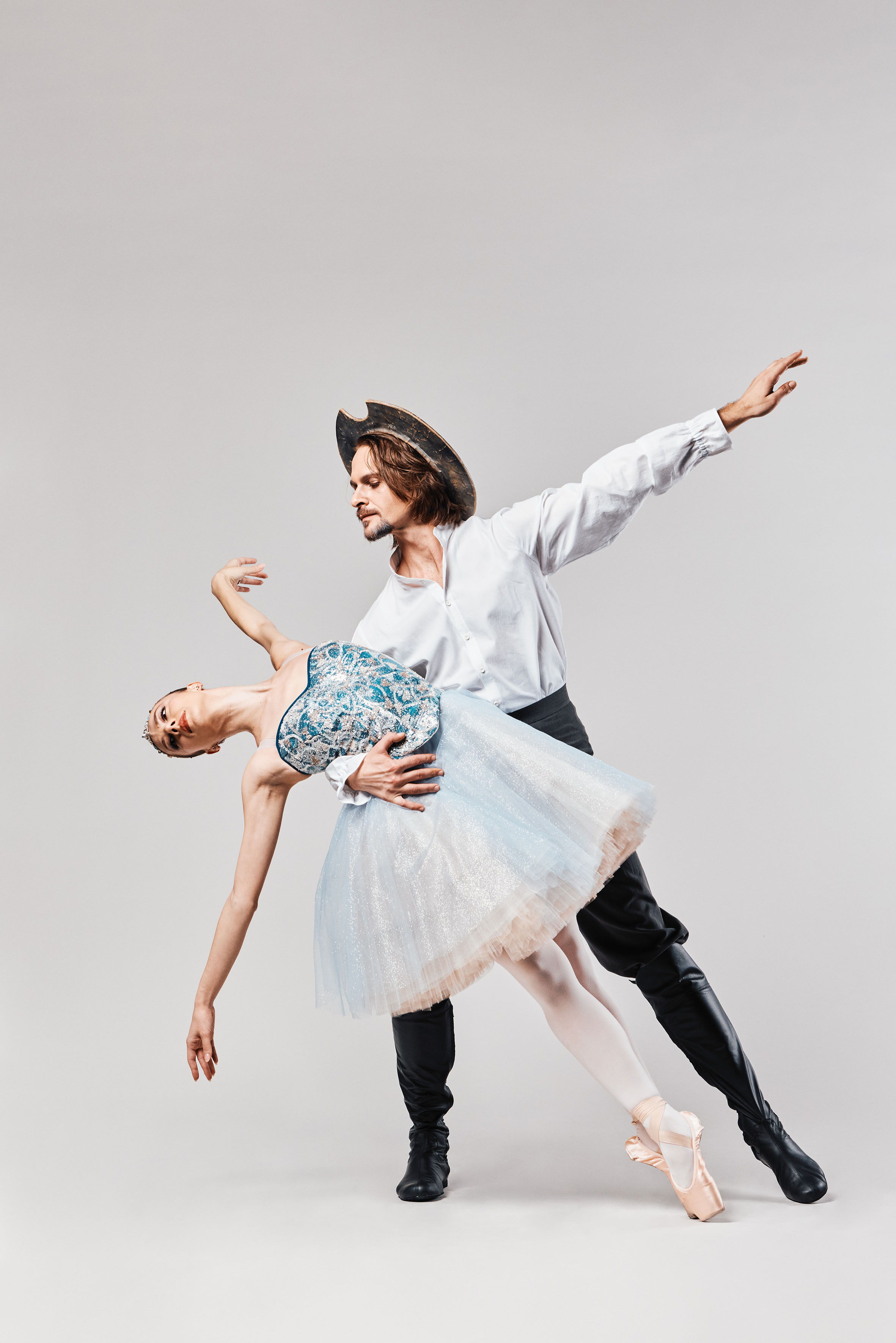
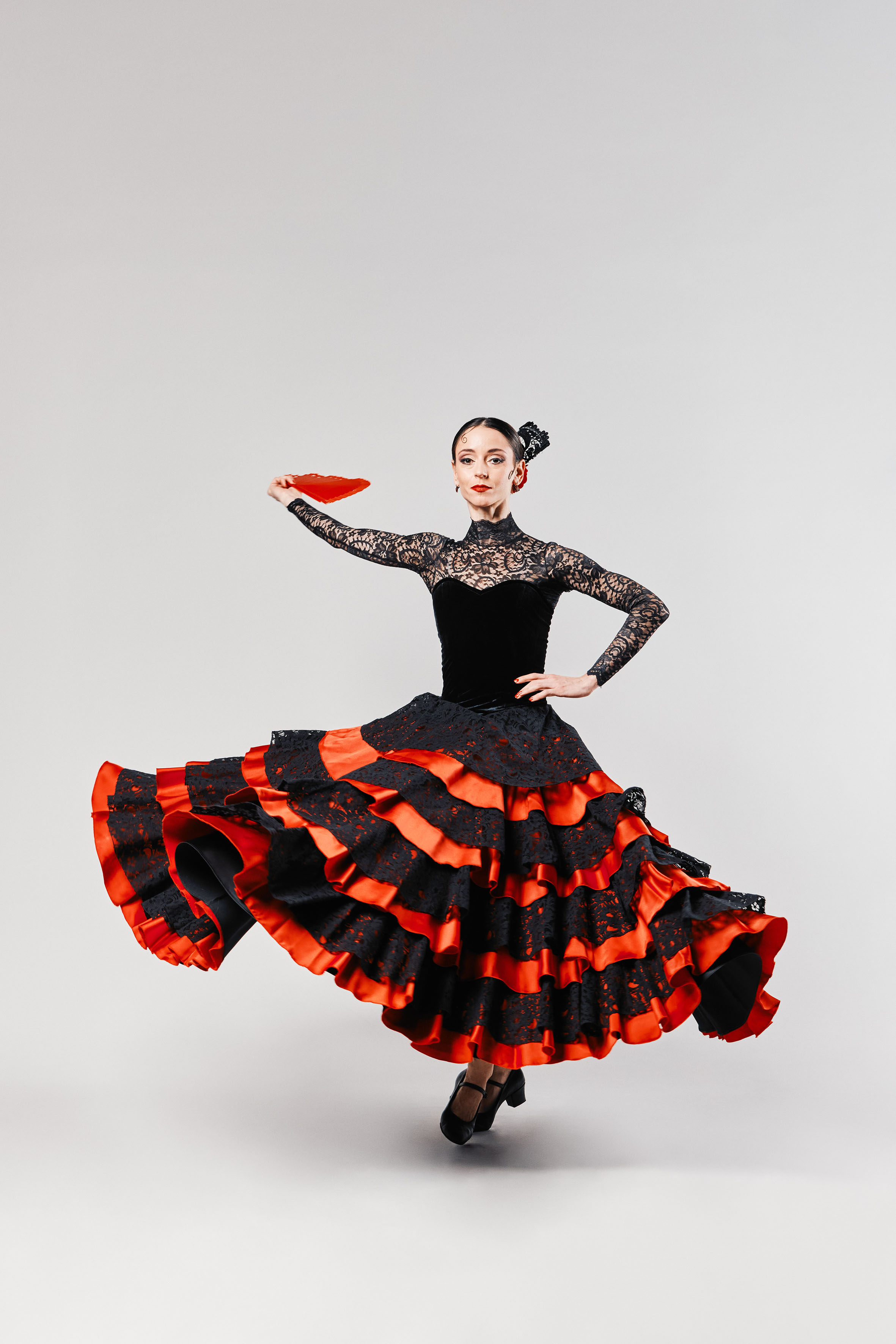
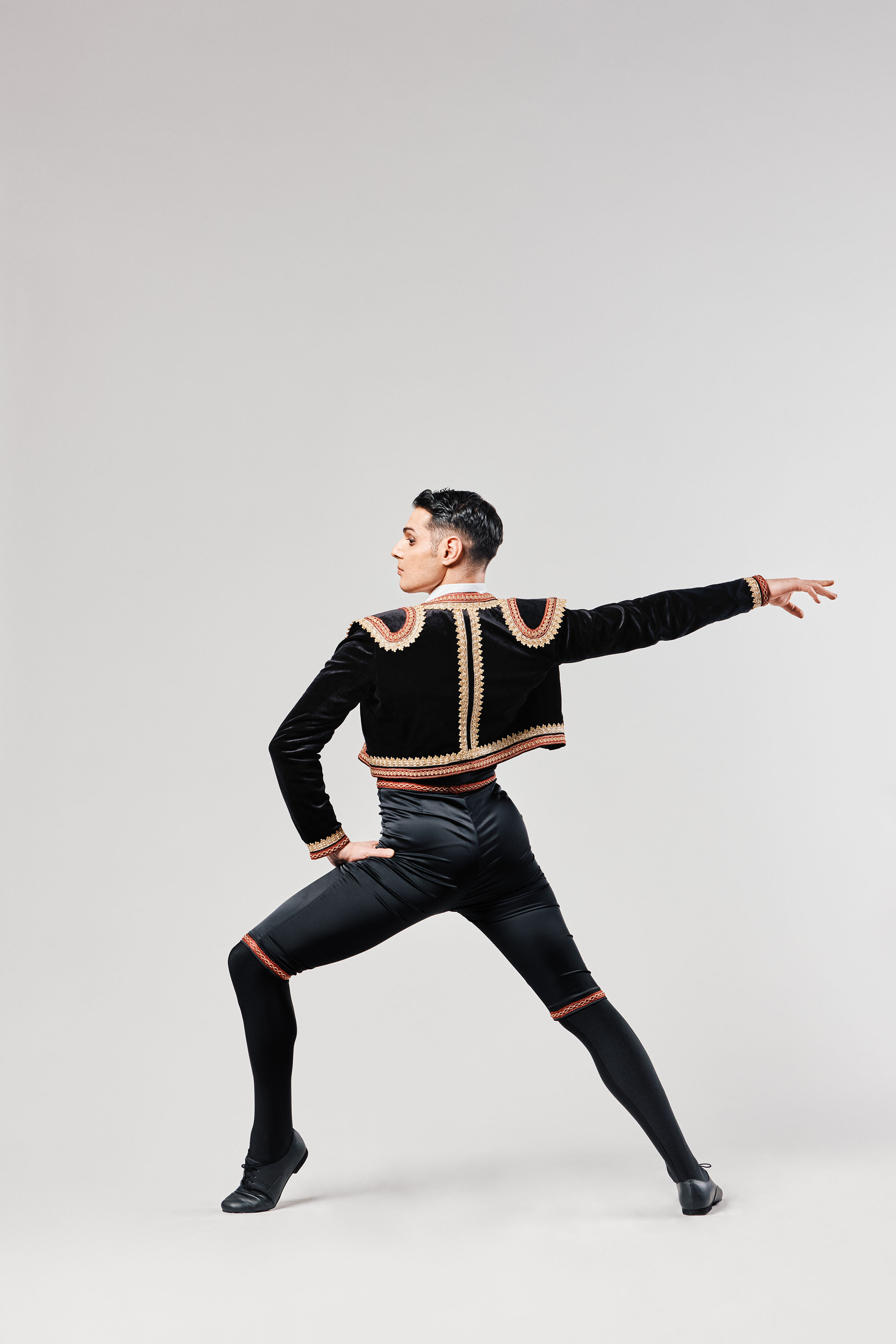
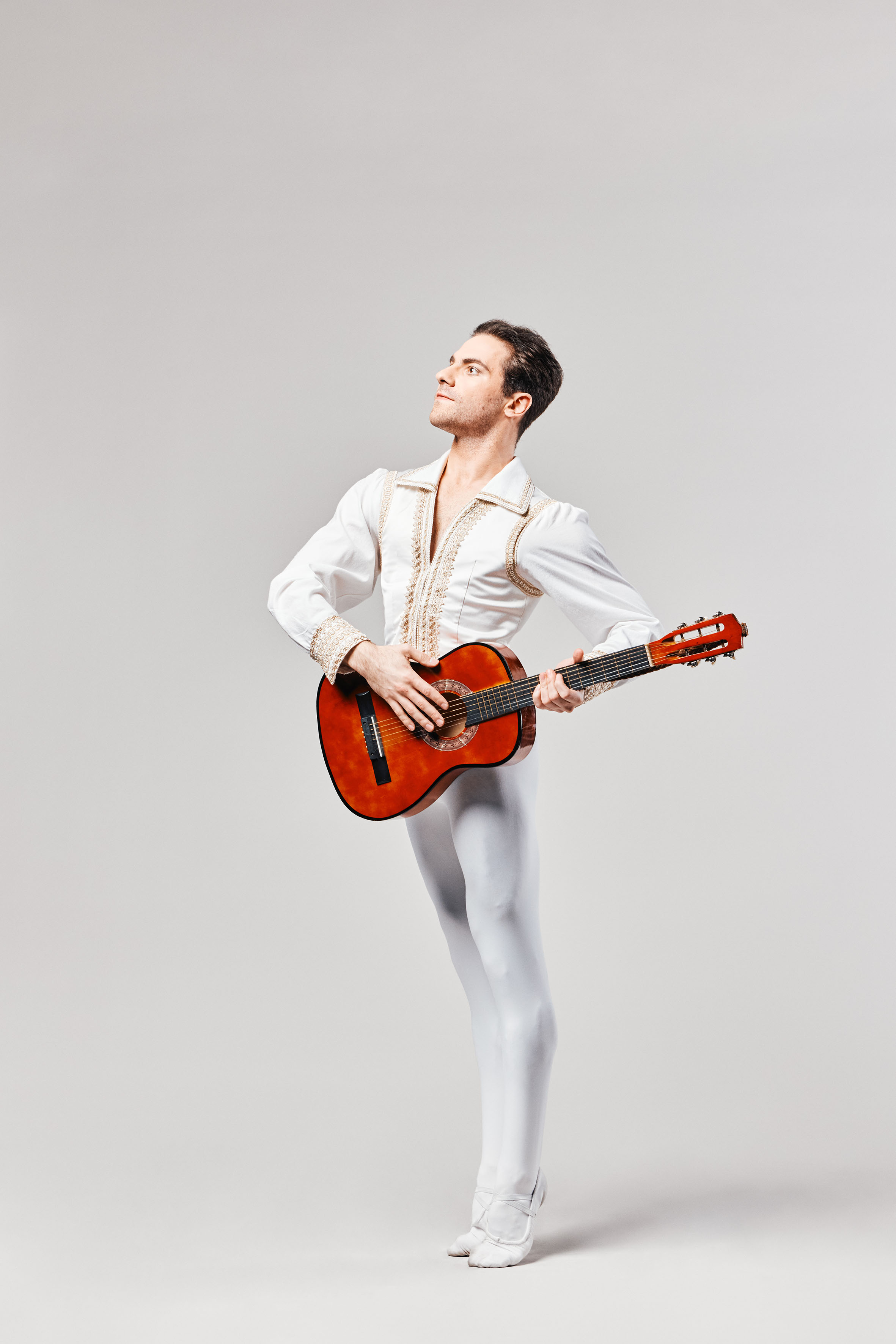
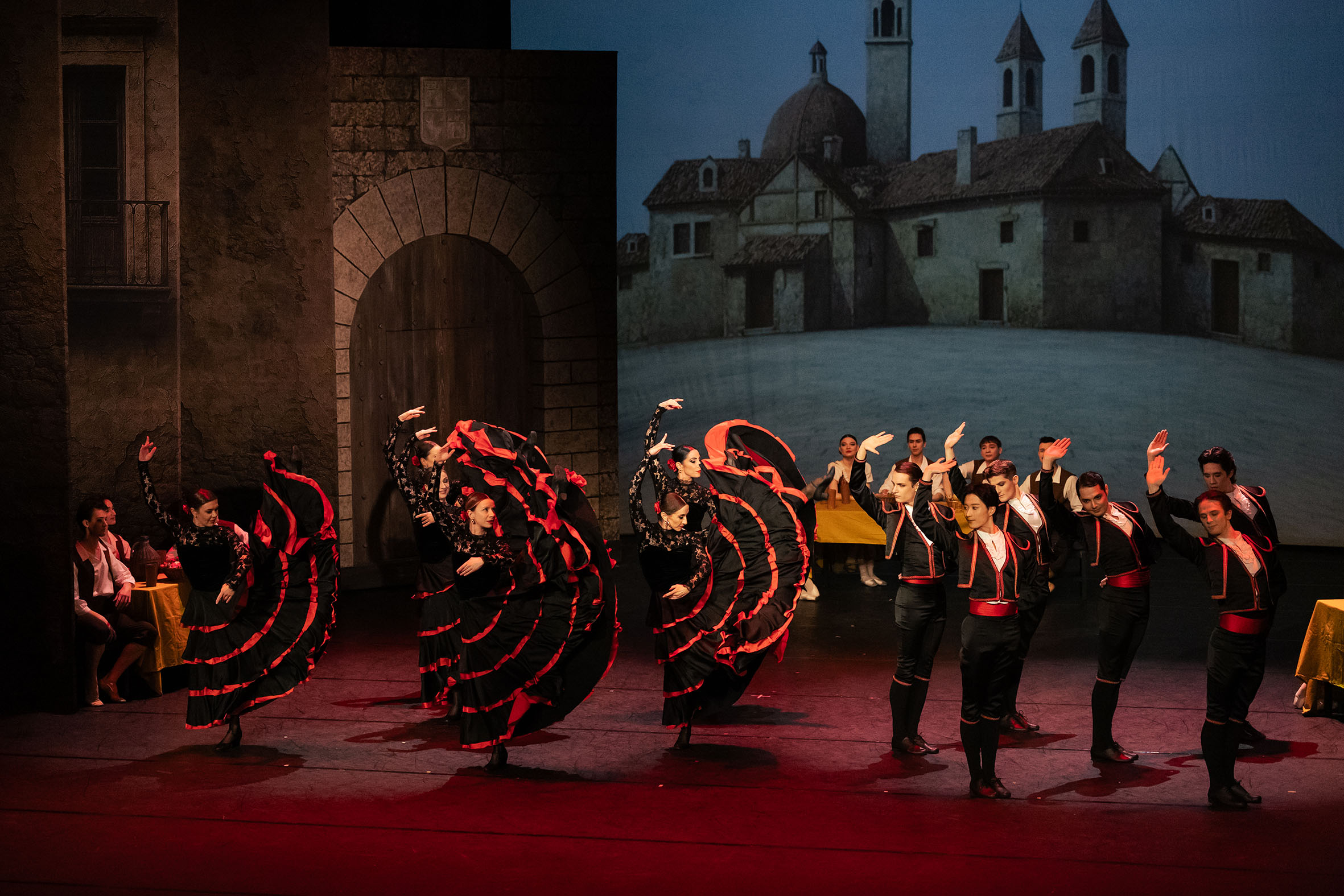
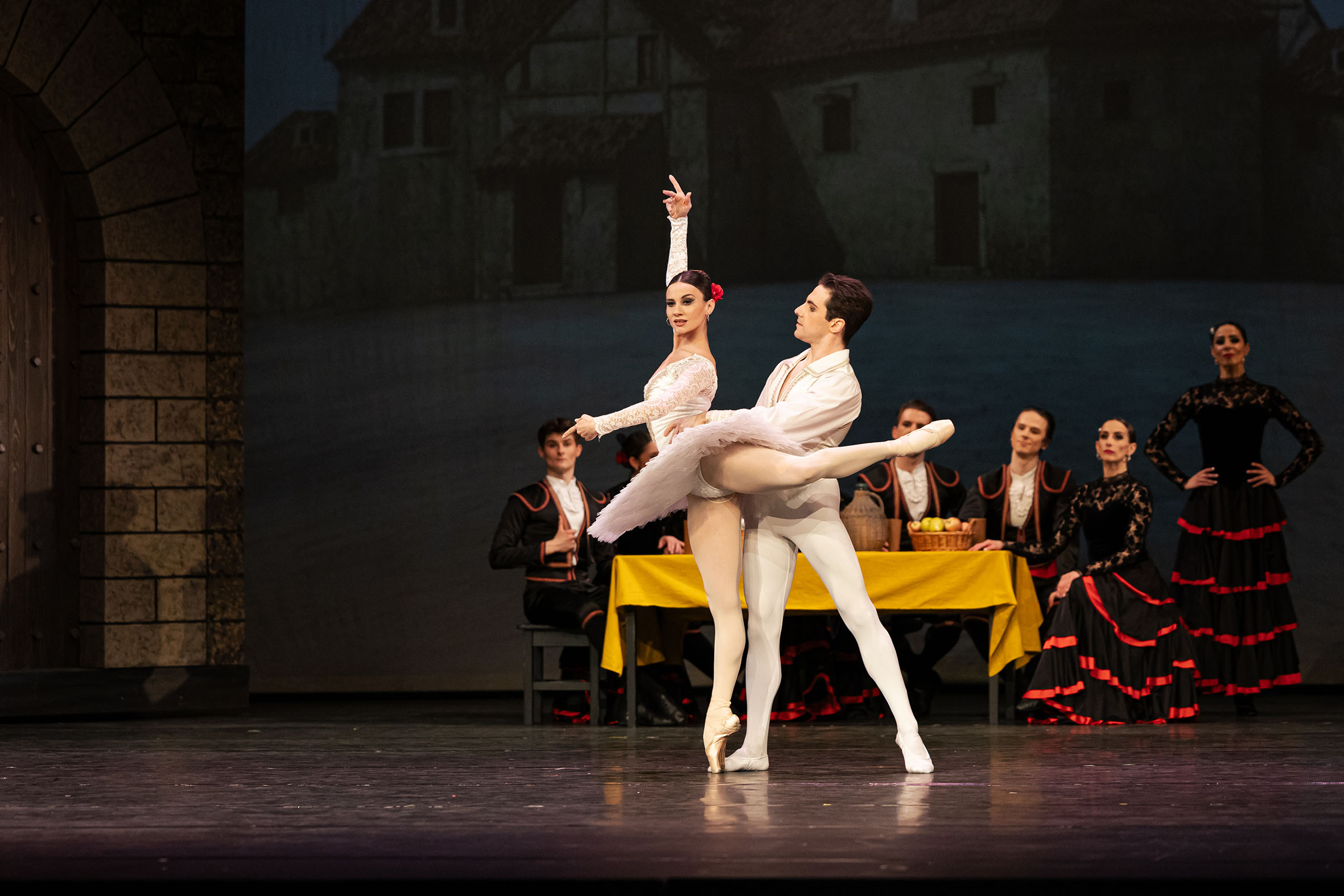
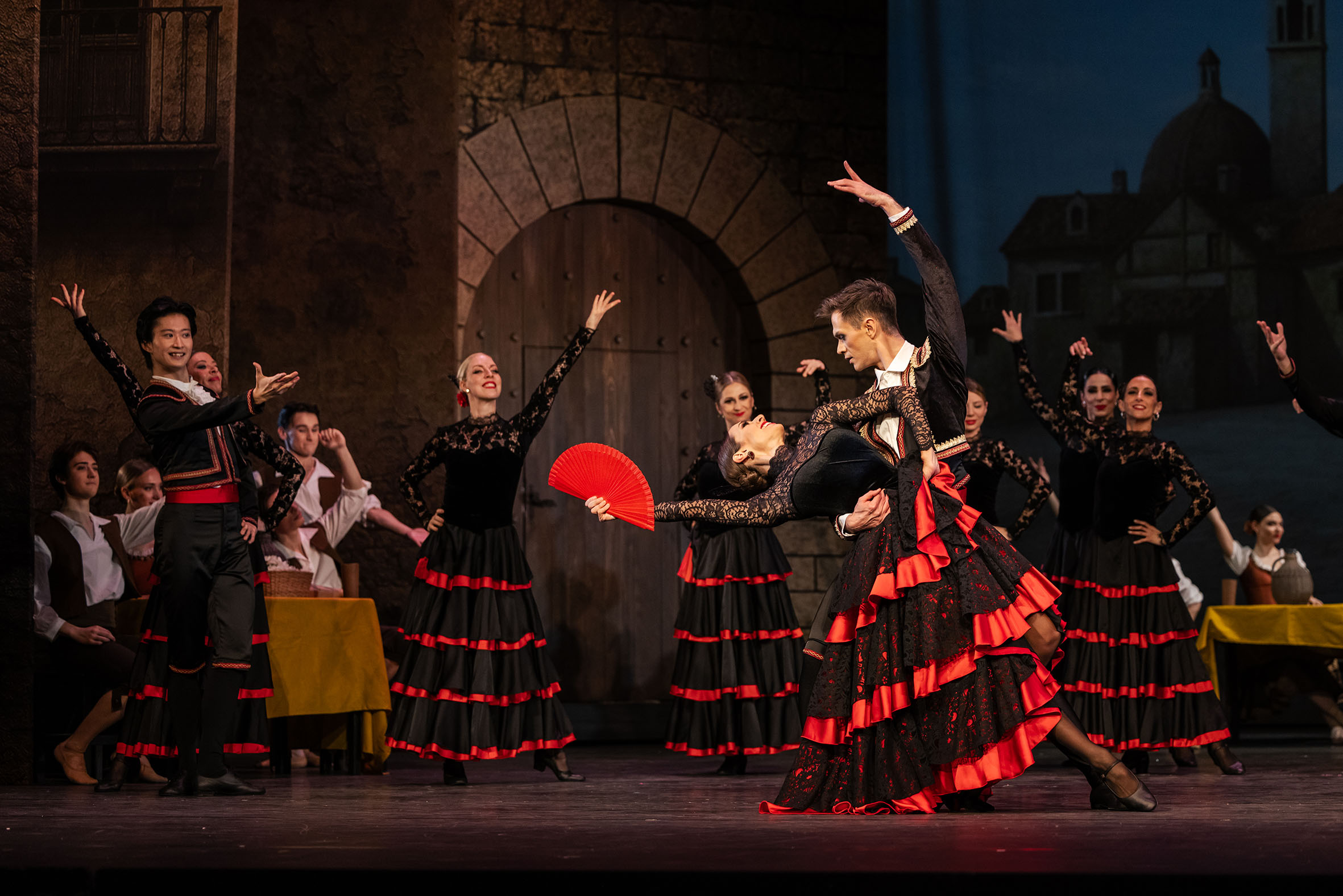
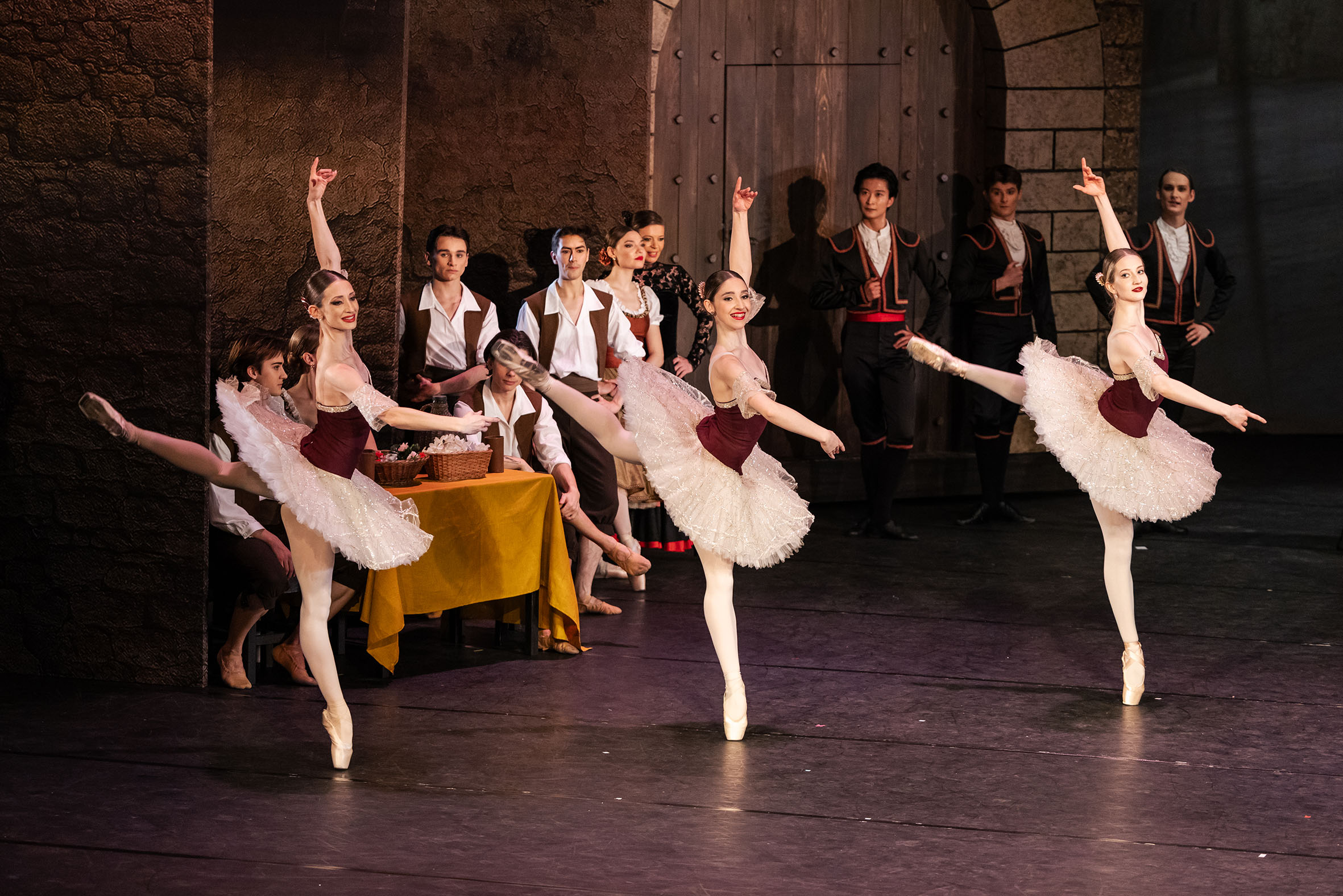
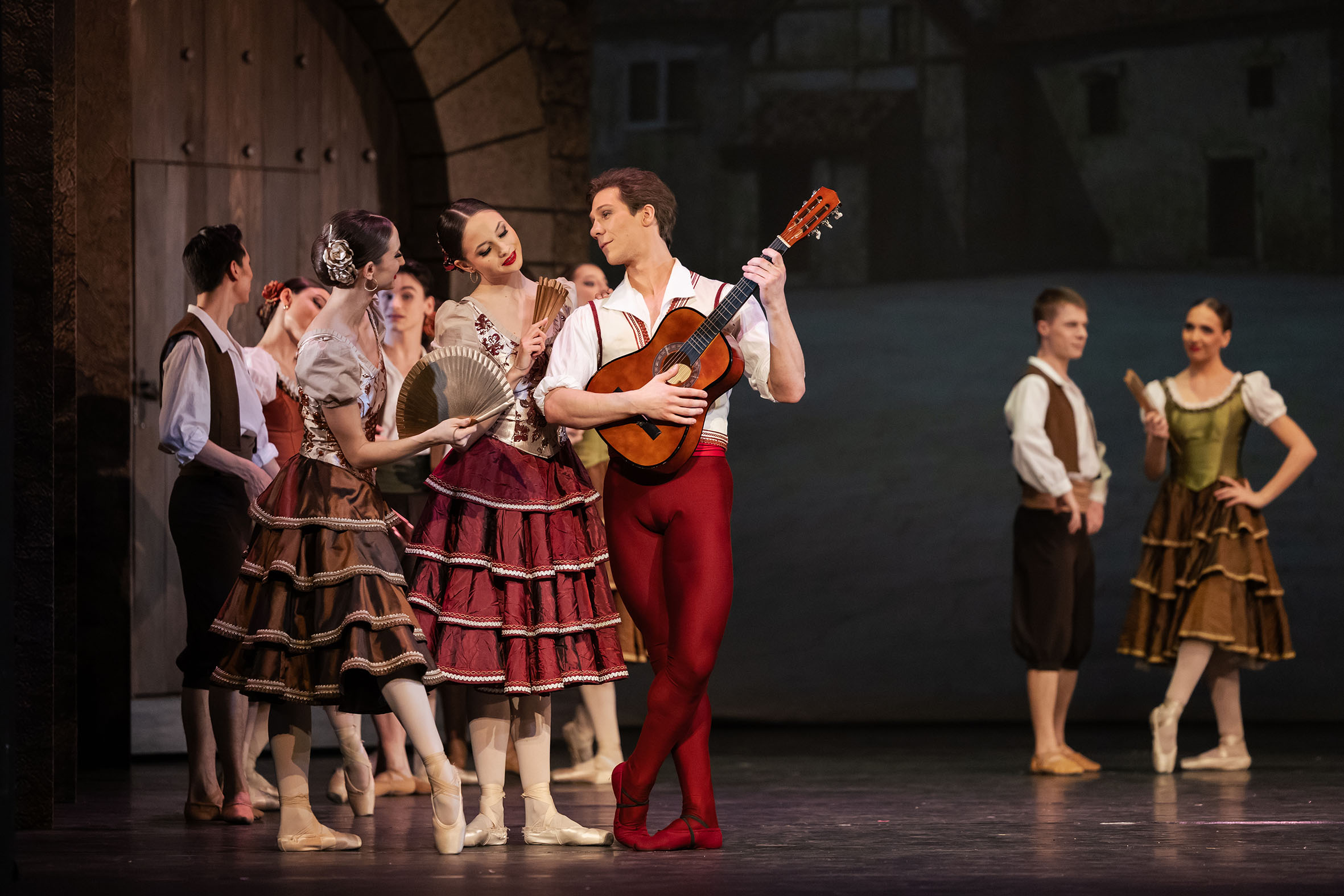
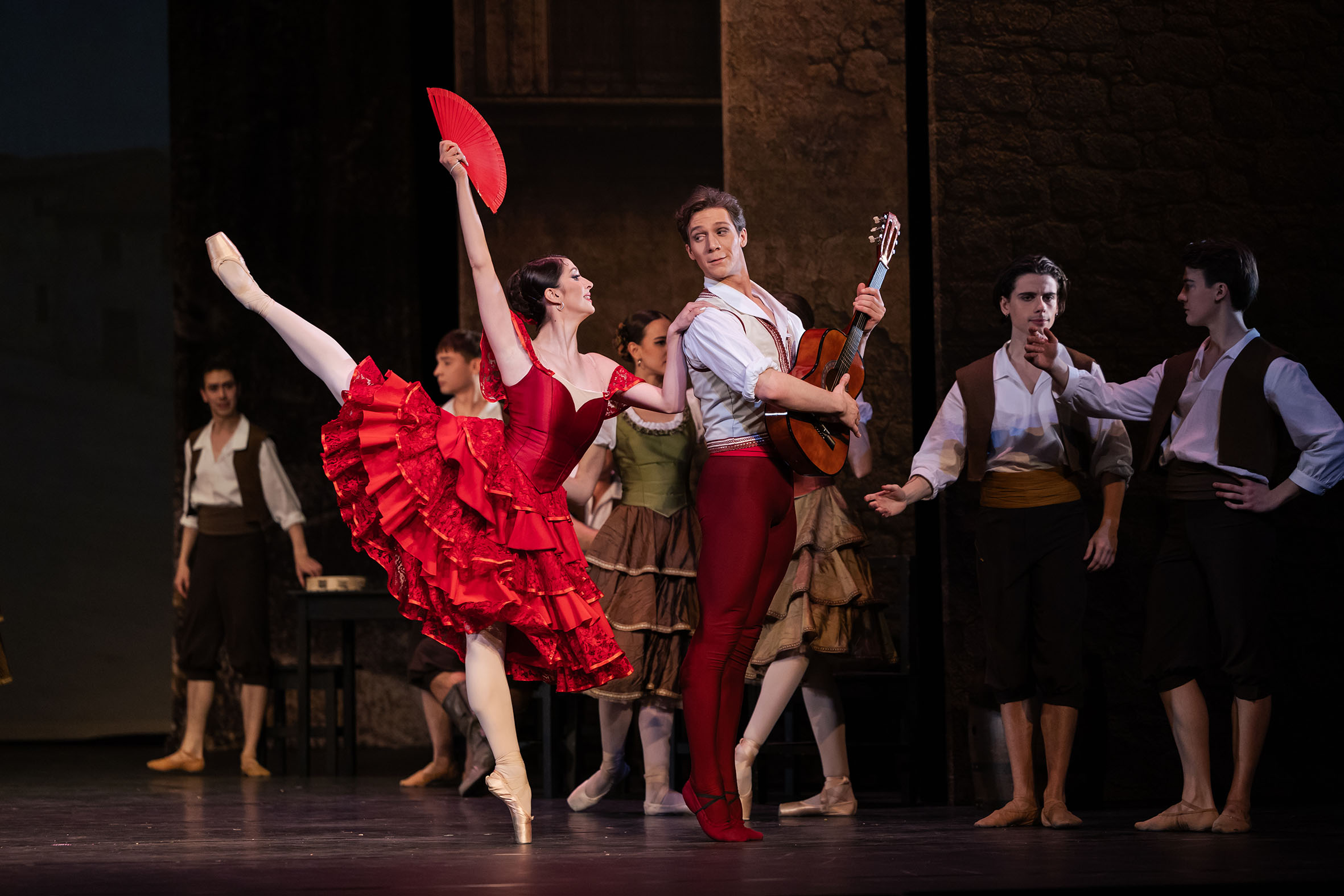
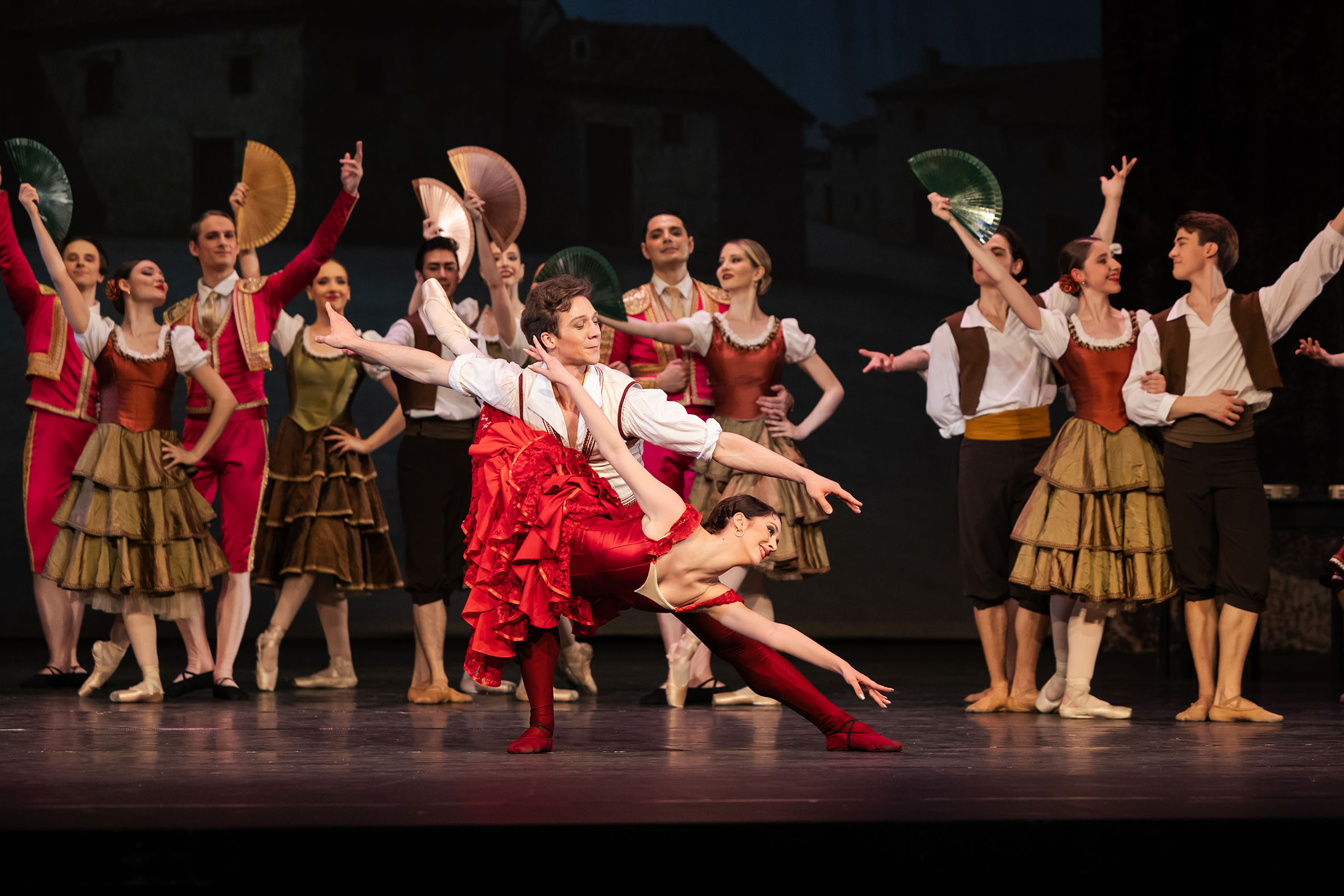
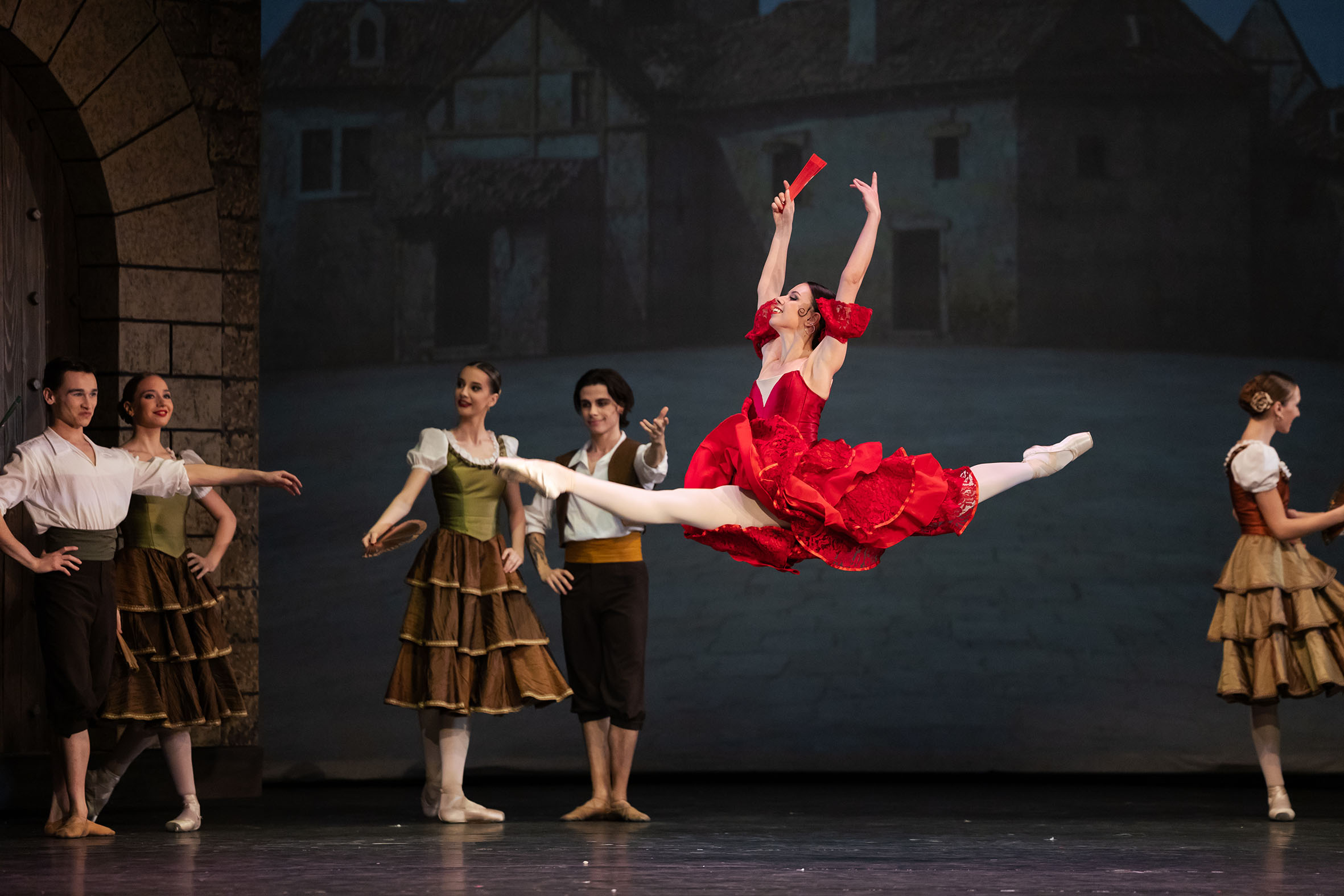
Marius Petipa’s ballet Don Quixote, together with Swan Lake, is one of the most popular ballets in Russia, where it was created in 1869 to the musical score by Ludwig Minkus. This vivid work marked a departure from the world of supernatural and ethereal beings that permeated 19th-century classical ballet, bringing ordinary people to the stage instead.
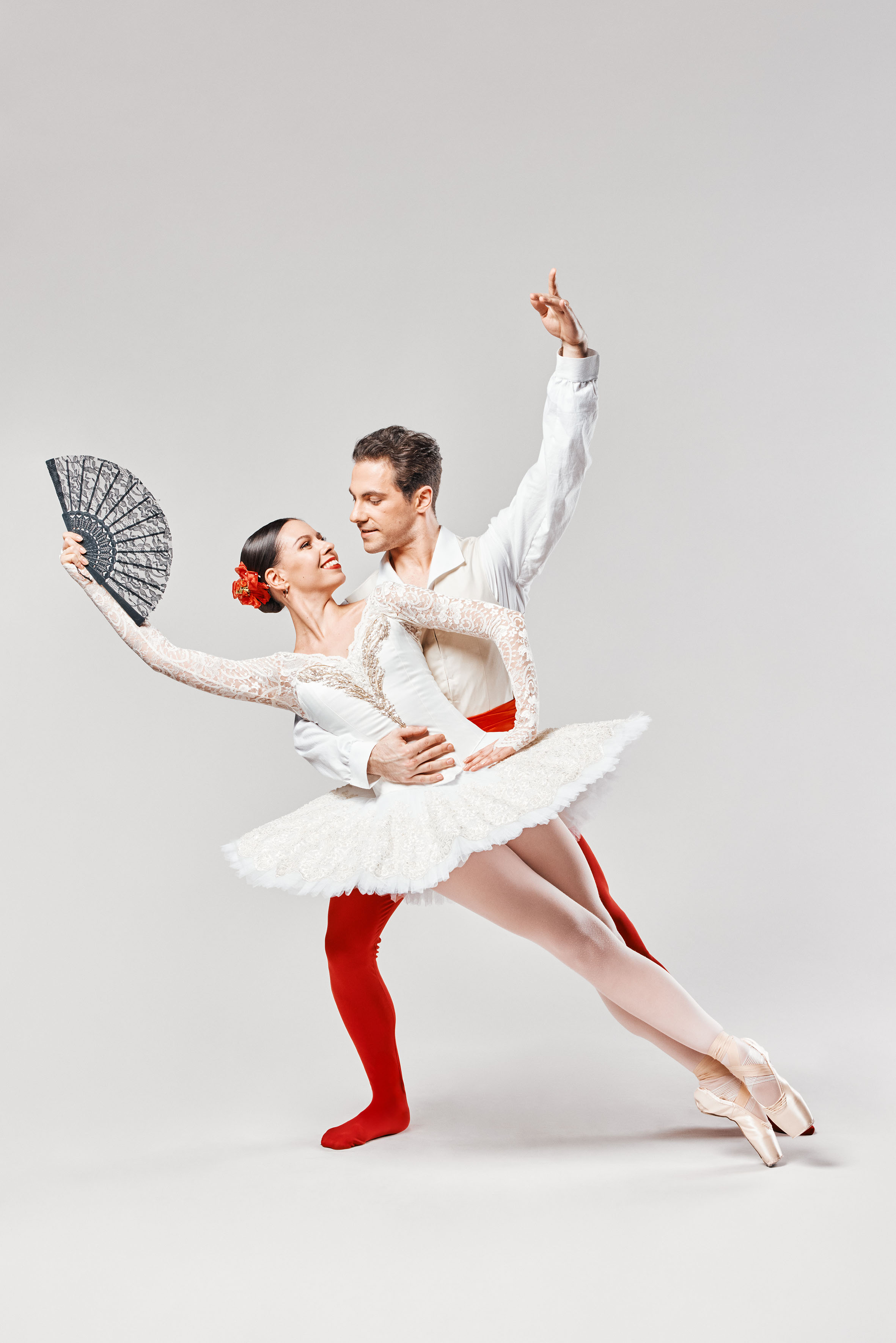
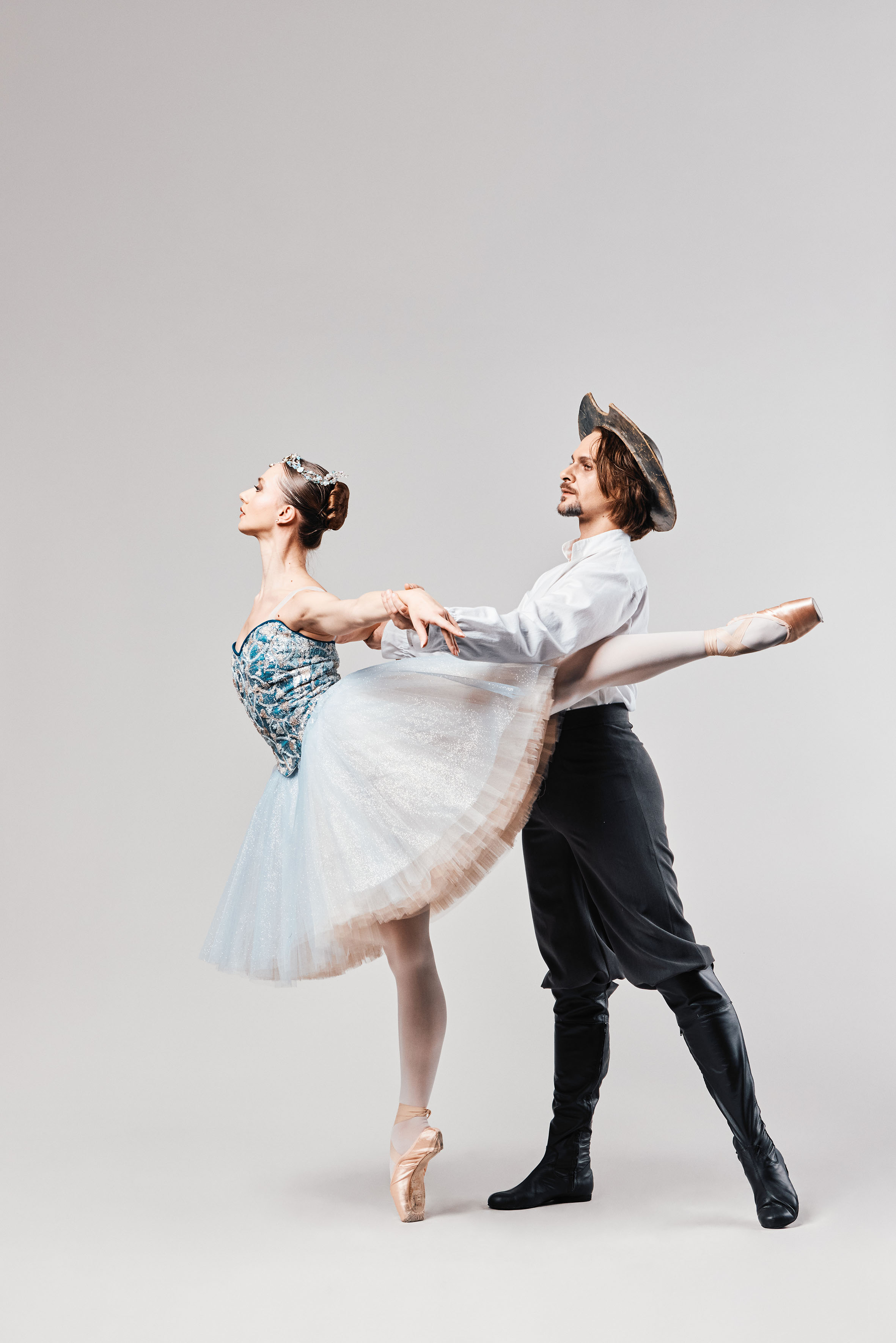
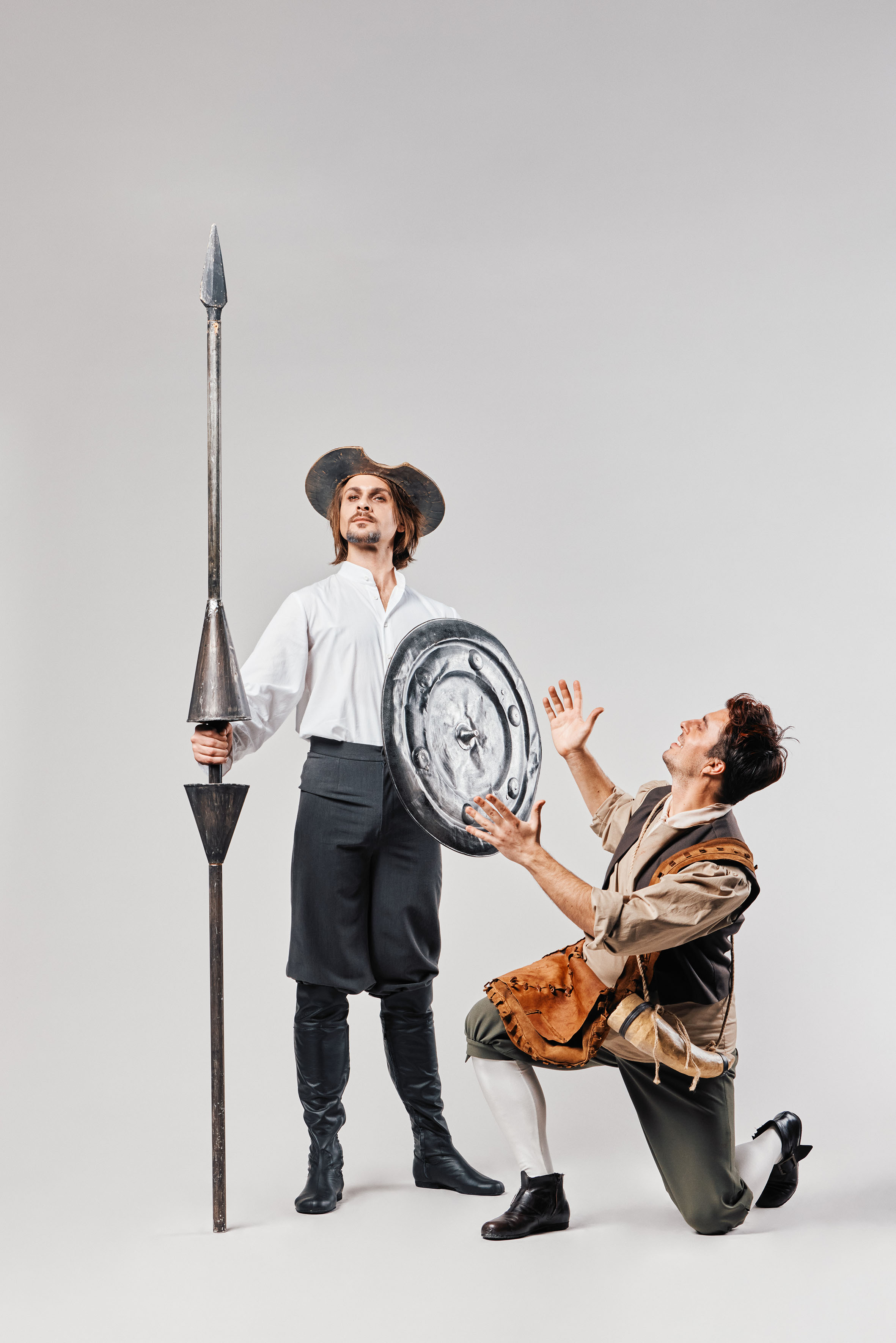
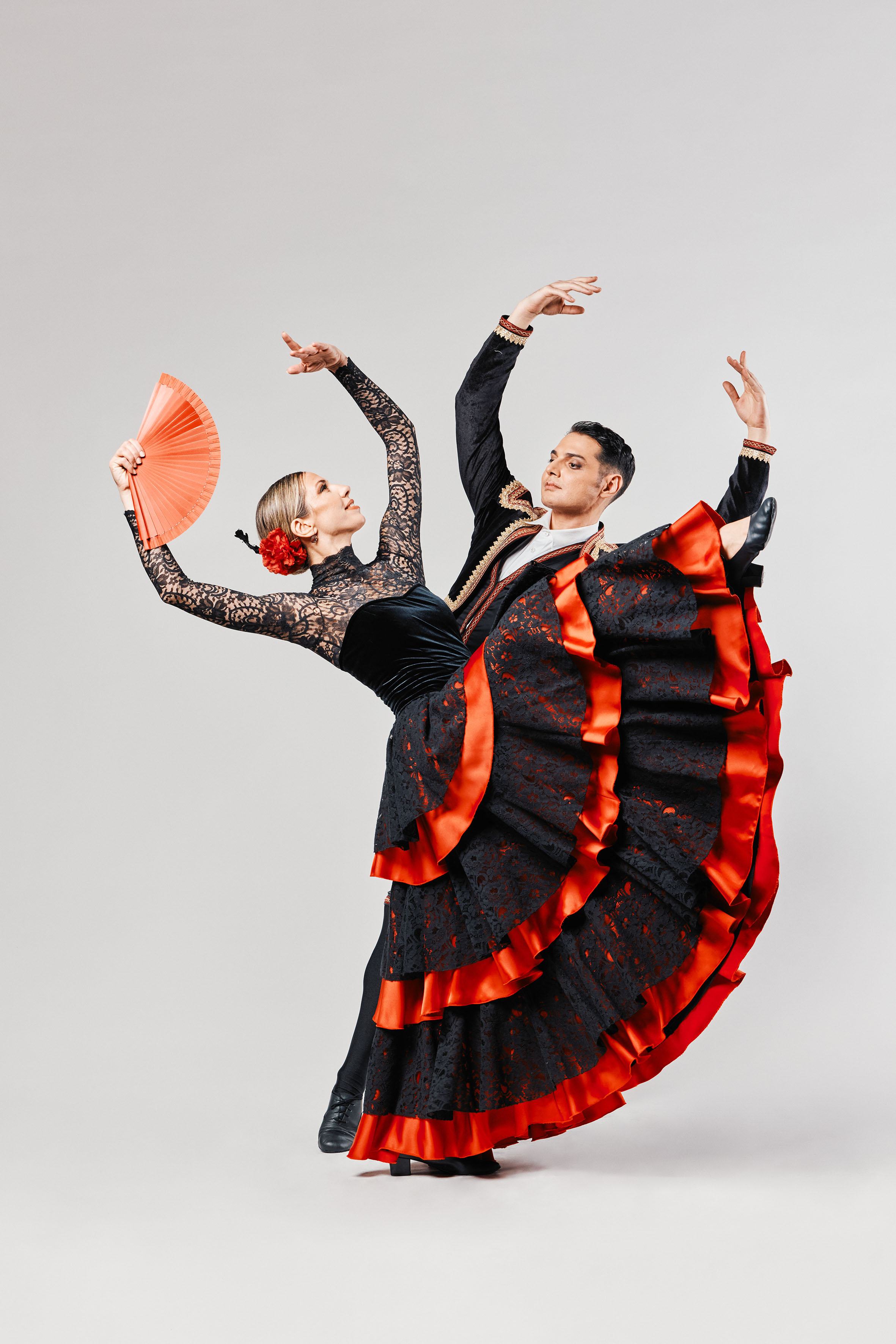
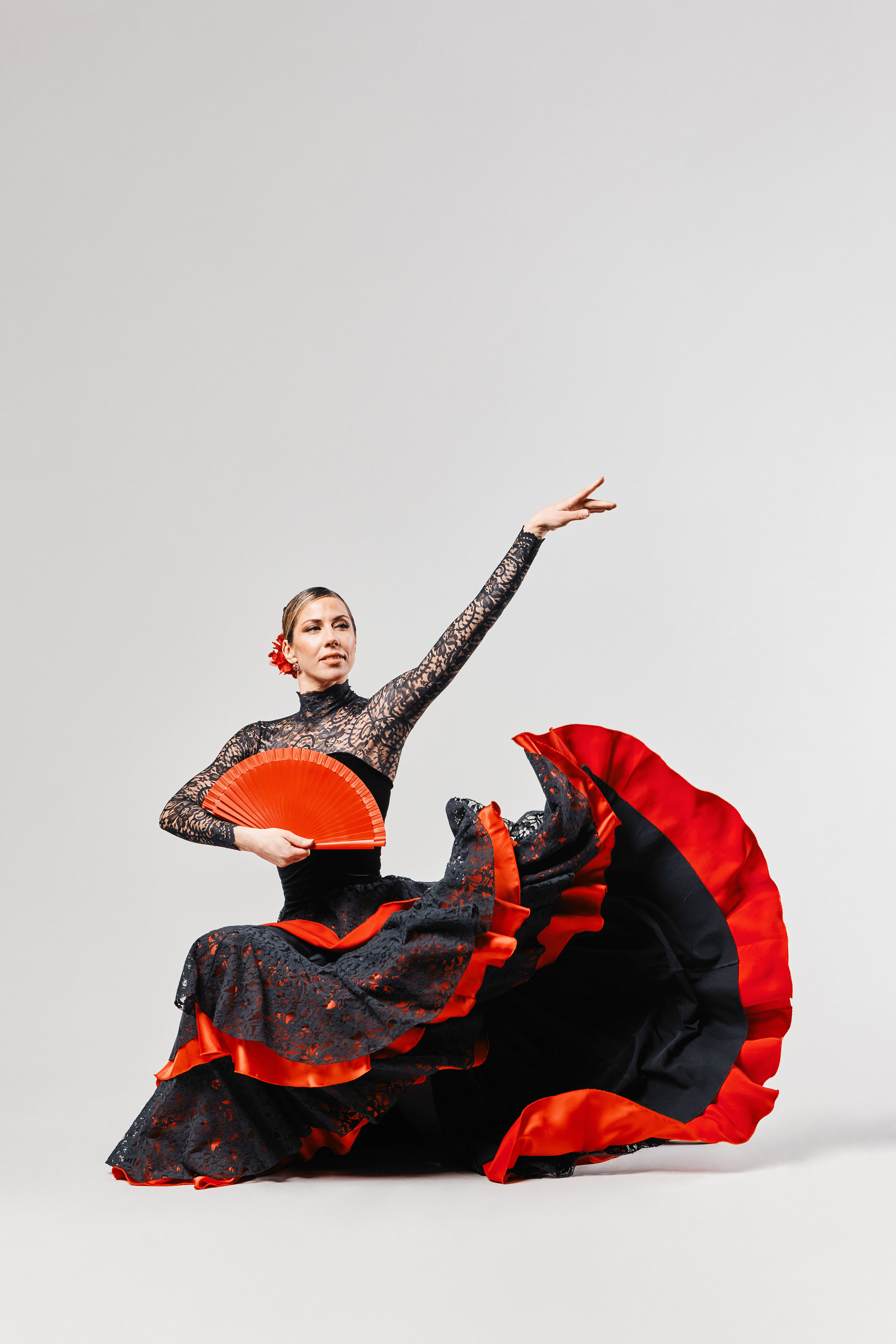
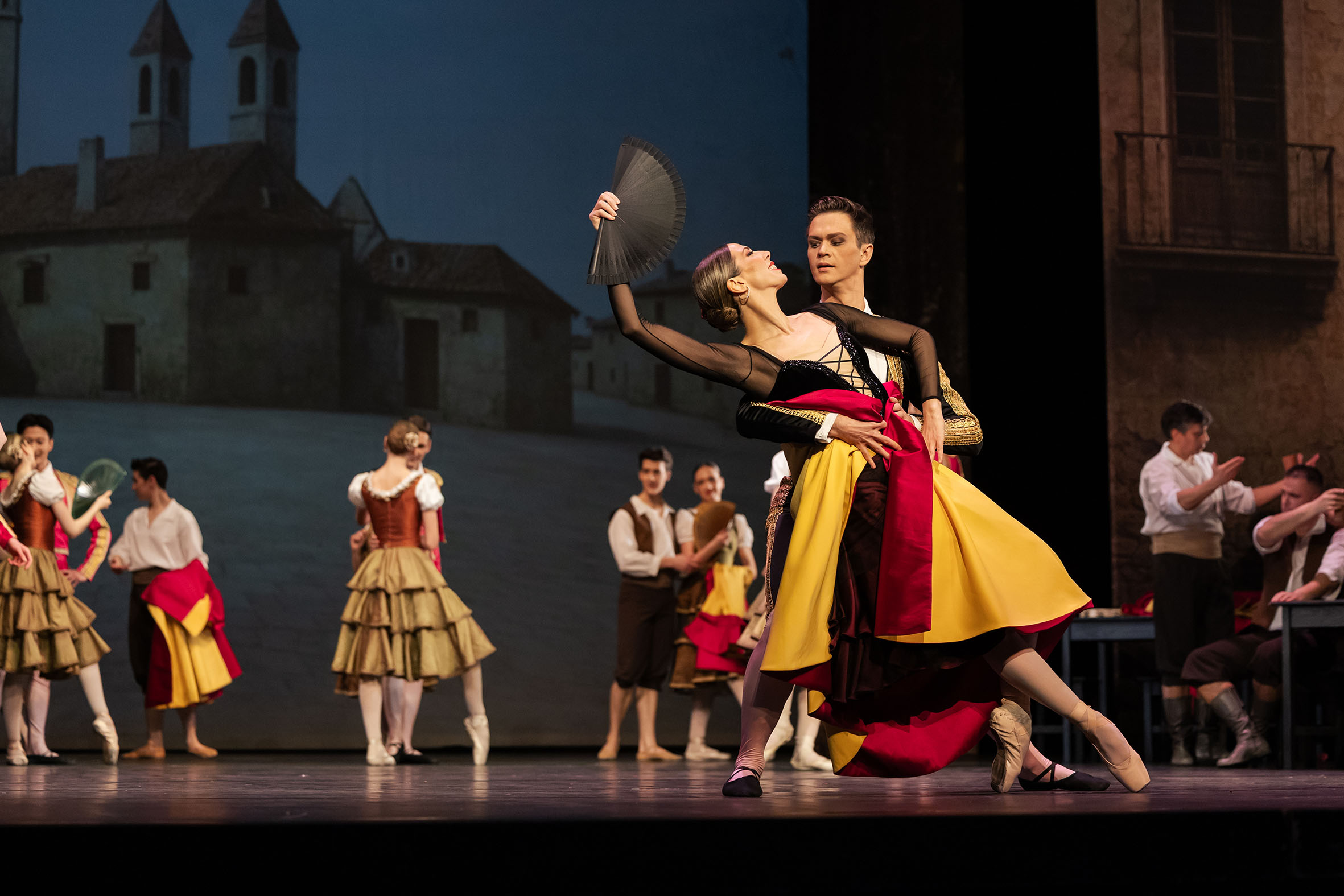
The libretto is based on an episode from the second part of Cervantes’s novel The Ingenious Gentleman Don Quixote of La Mancha. The plot focuses more on the tempestuous love story of Kitri and Basilio than on the adventures of Don Quixote and Sancho Panza.
As a foundation, I used the original choreography by Marius Petipa, as well as various versions in which I had the opportunity to perform (Nureyev, Baryshnikov, Gorsky). It seemed important to me to preserve the ballet’s fundamental choreographic structure, while at the same time giving a poetic dimension to the character of Don Quixote and his quest for perfect love, embodied by Dulcinea. Simultaneously, it was essential to bring all of this closer to Spanish culture and to the very essence of our dance.
J. C. Martínez
LIBRETTO
PROLOGUE
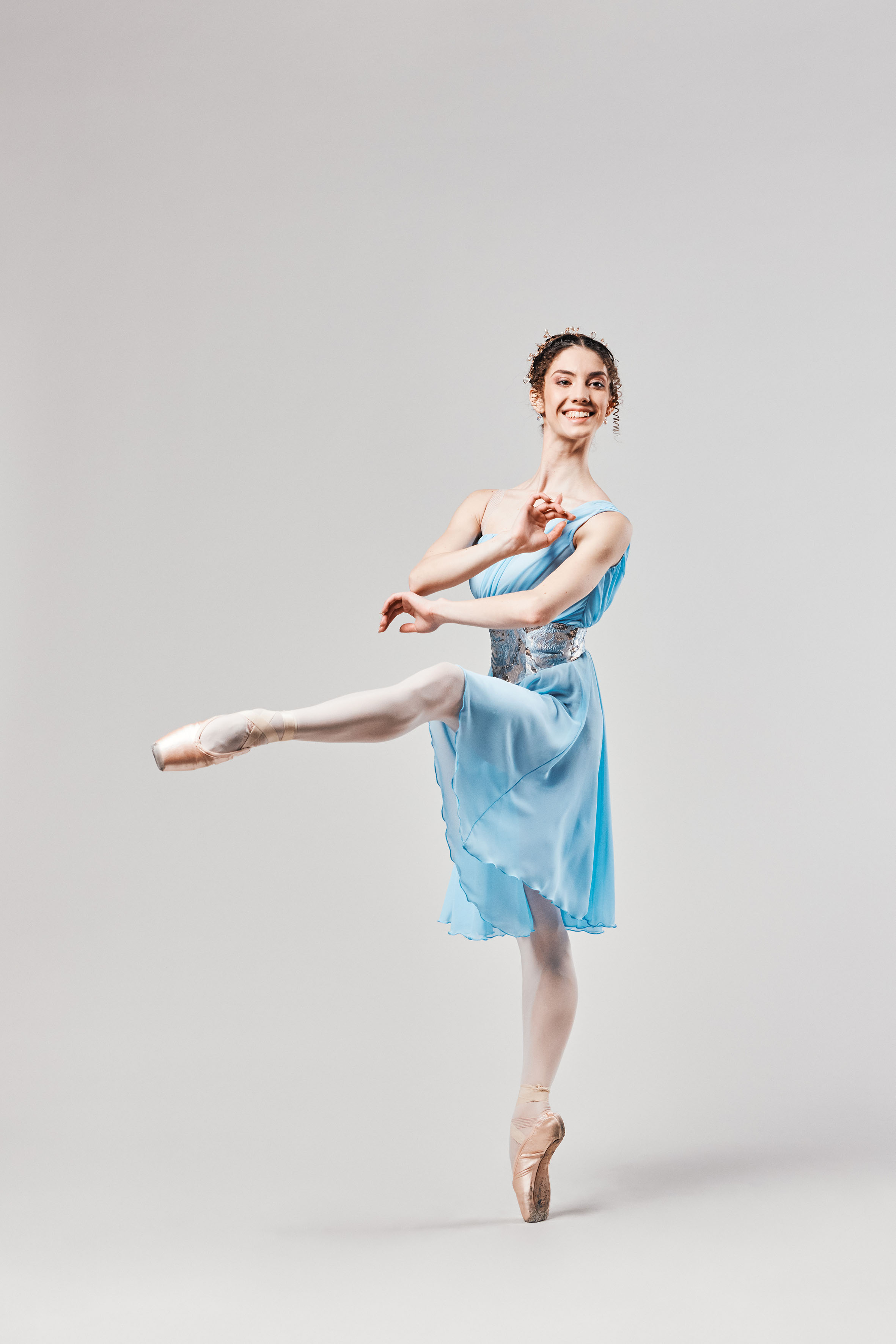
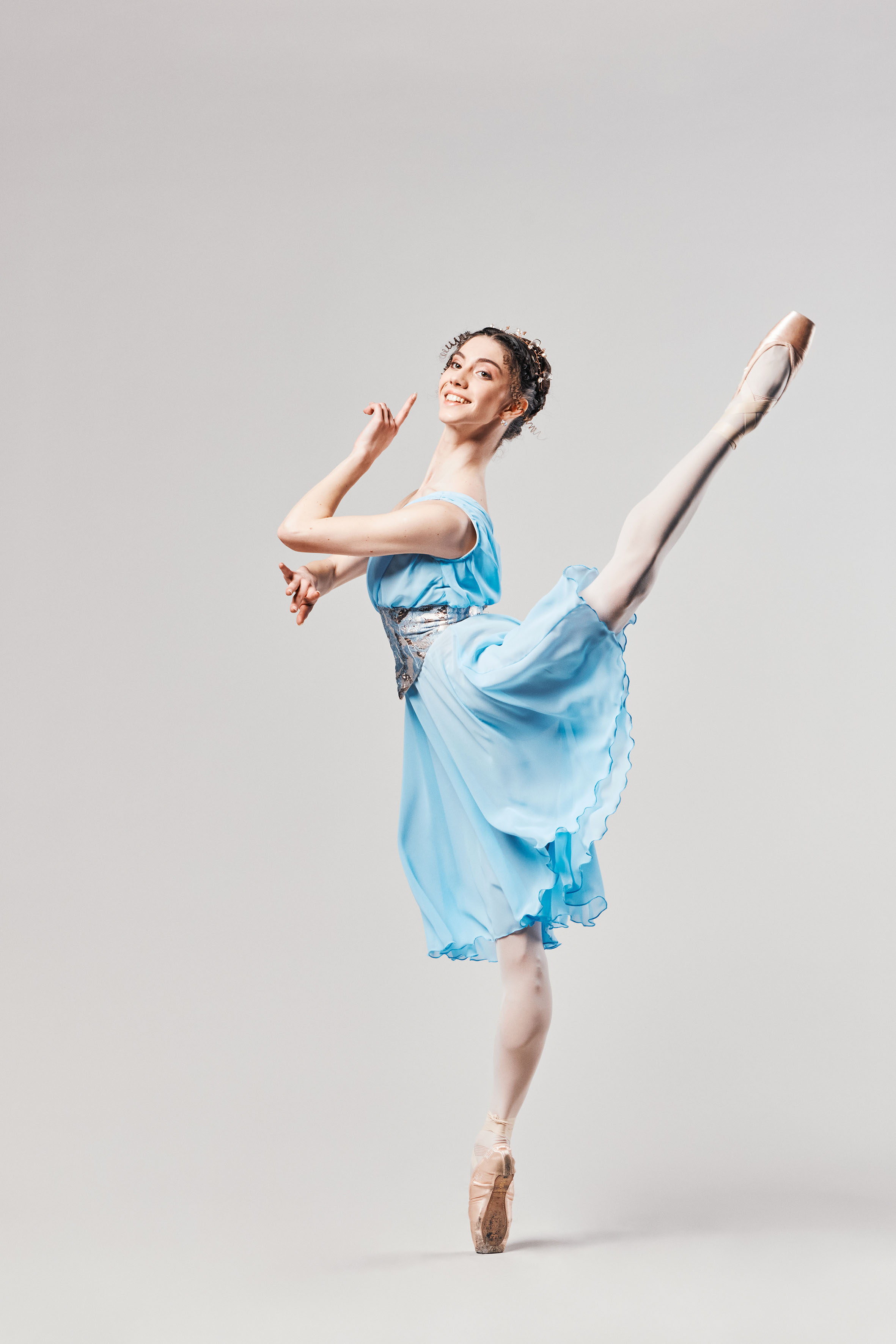
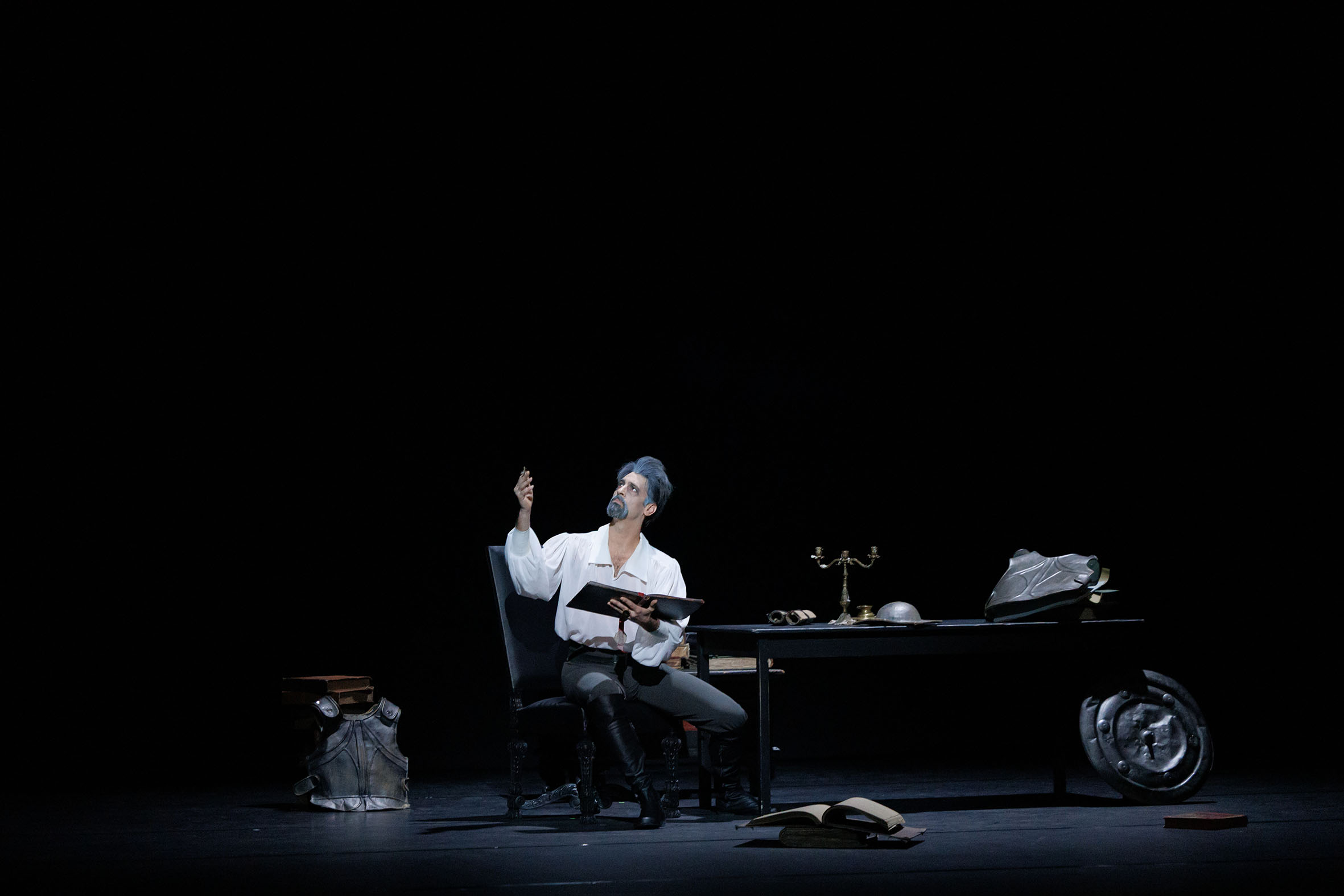
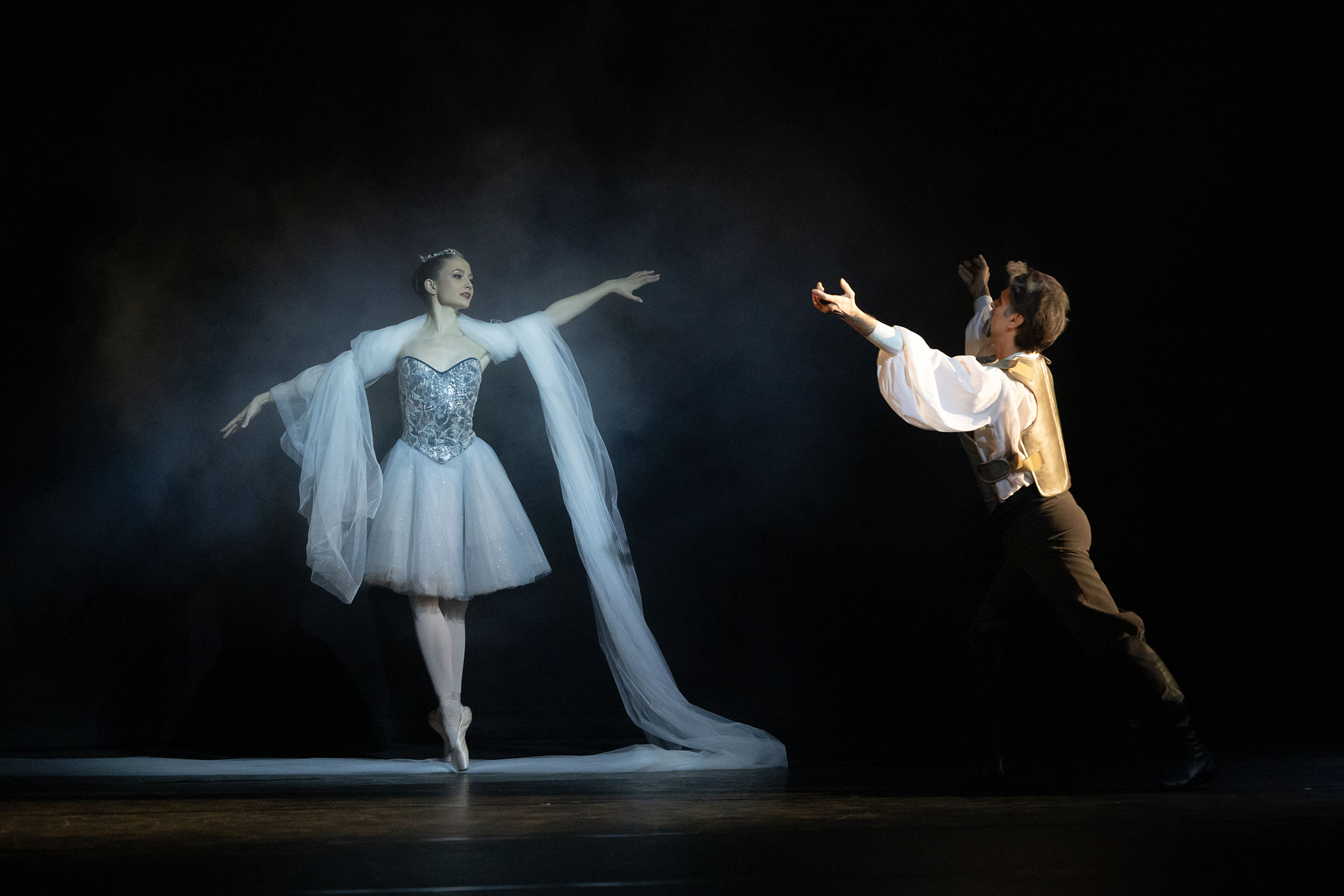
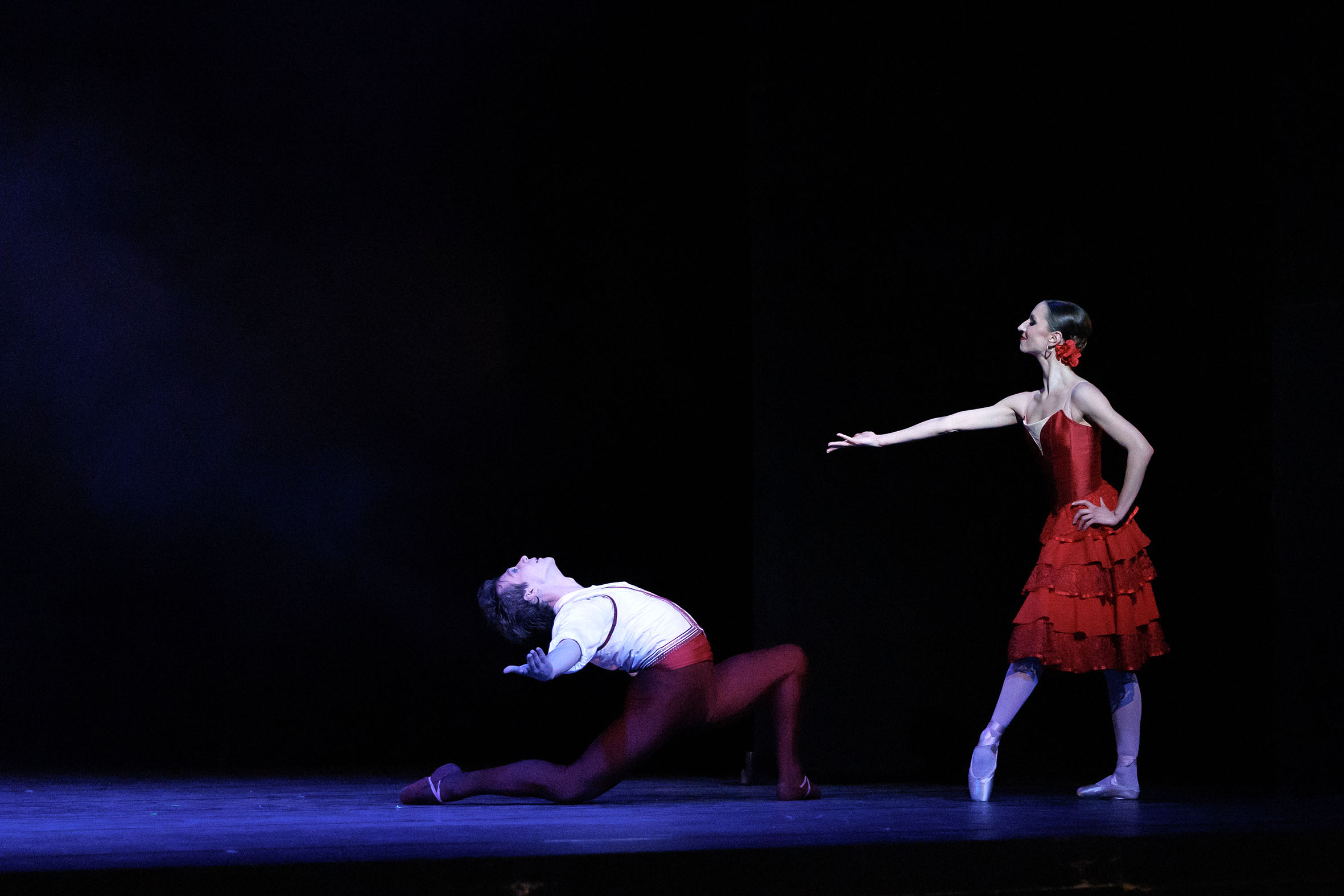
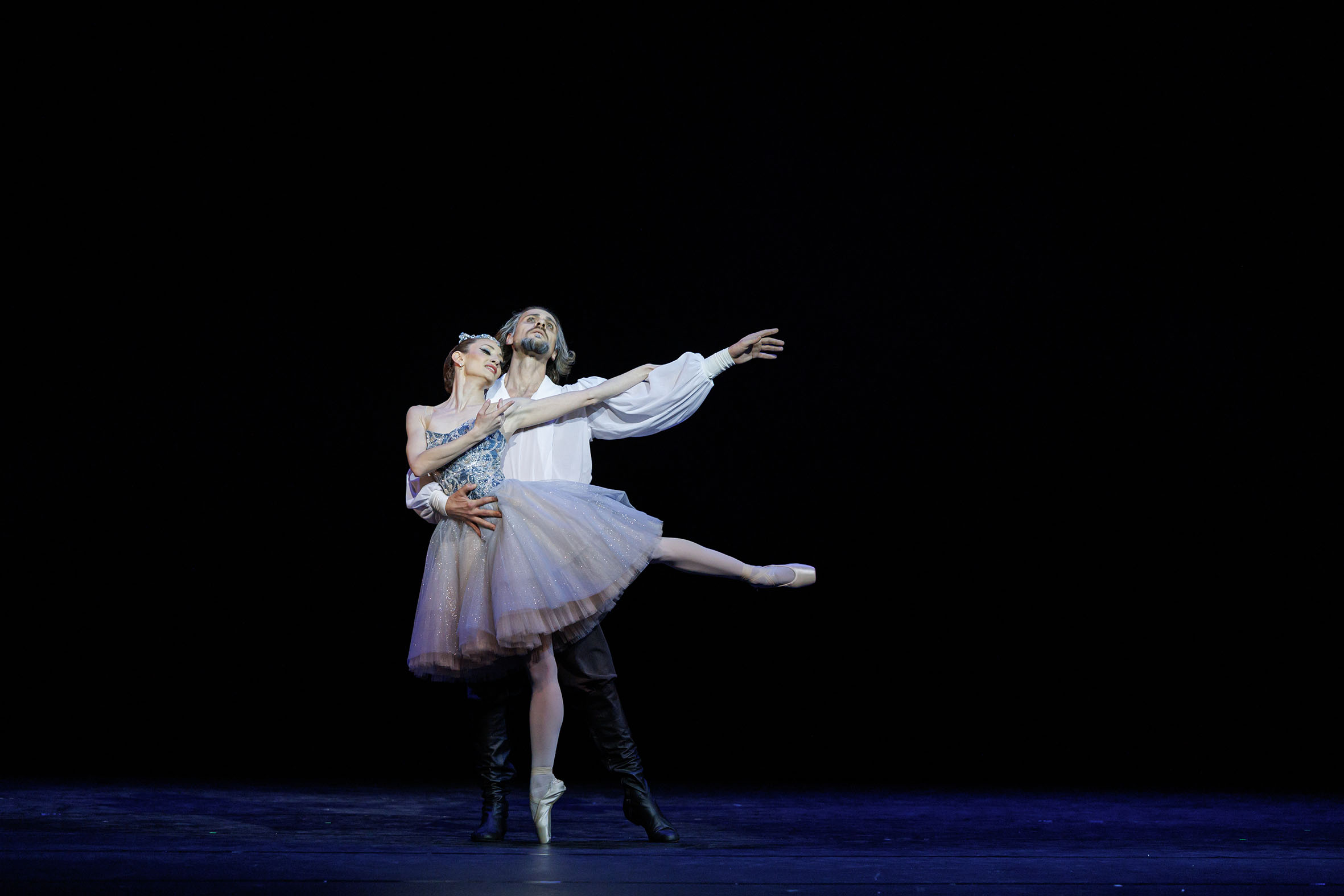
Don Quixote, between his books and fantasies, in his thoughts, dreams of a meeting with Dulcinea.
ACT I
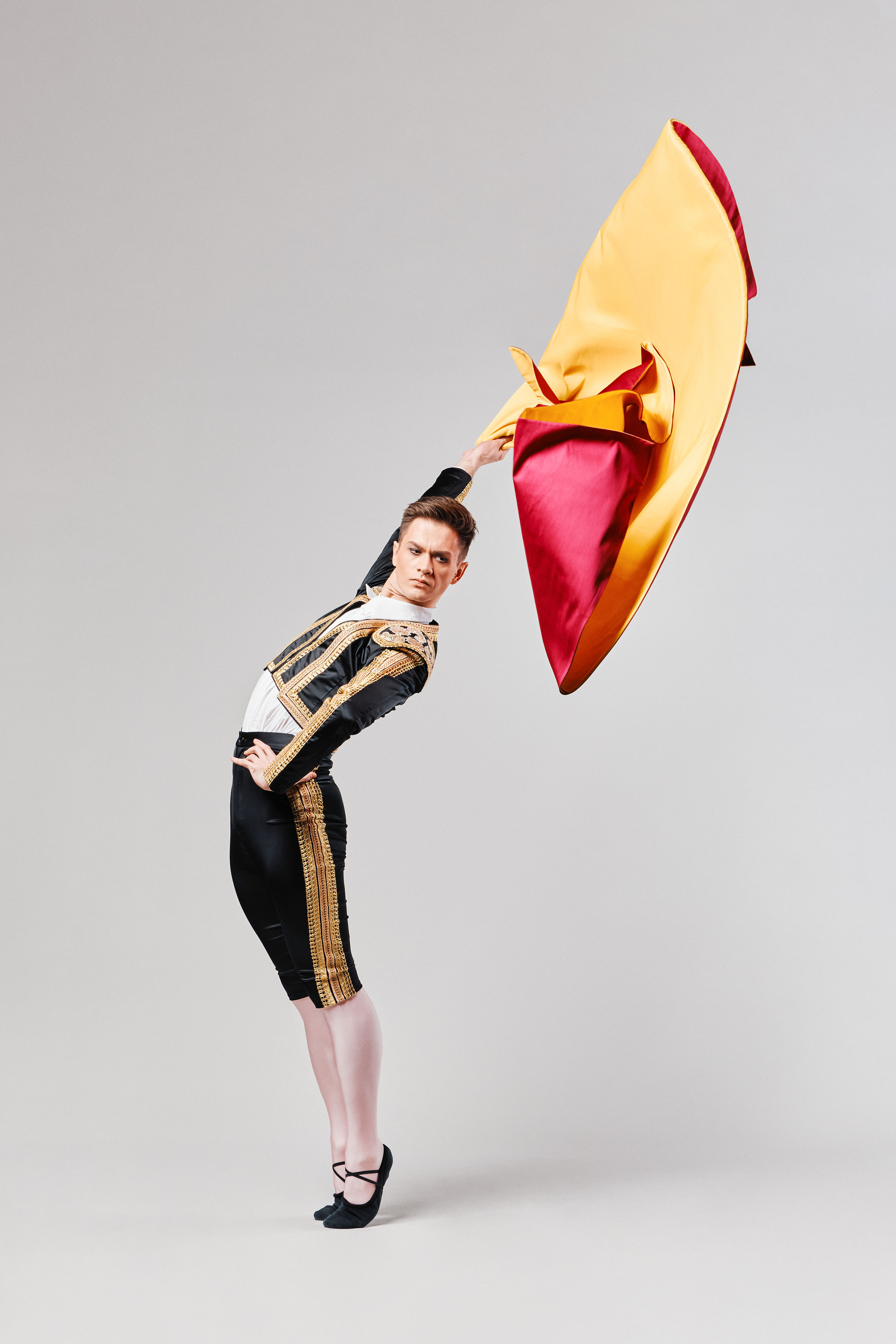
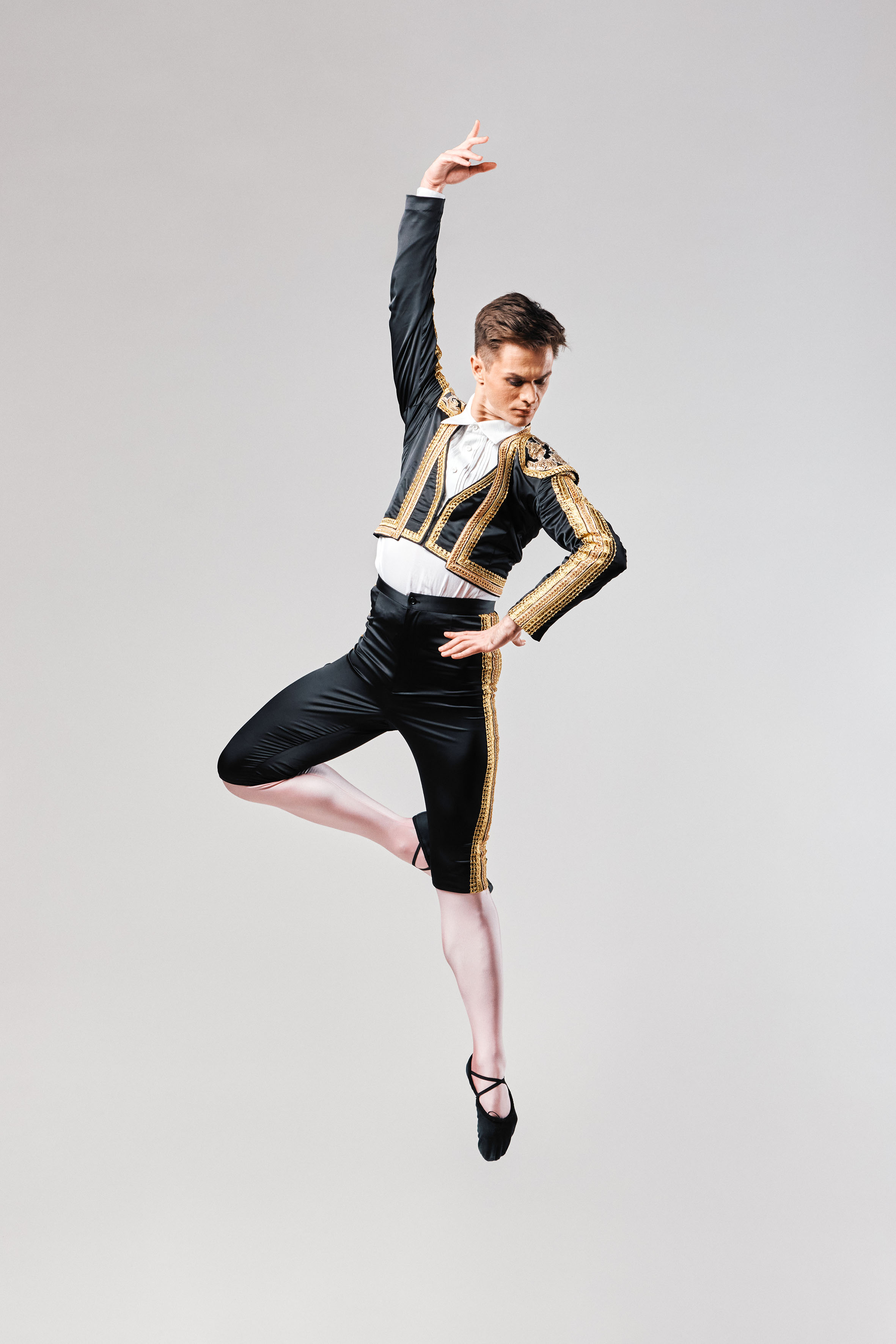
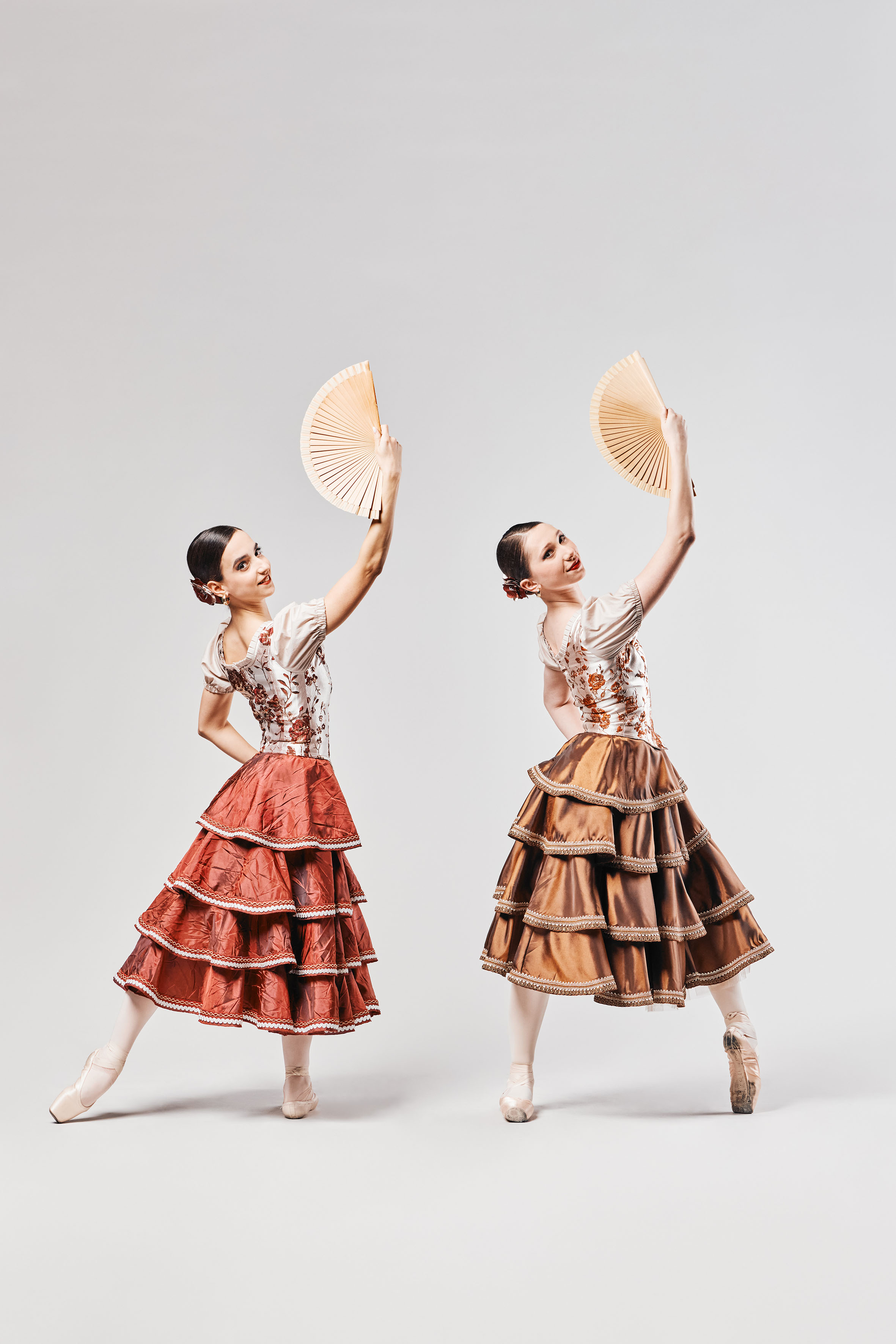
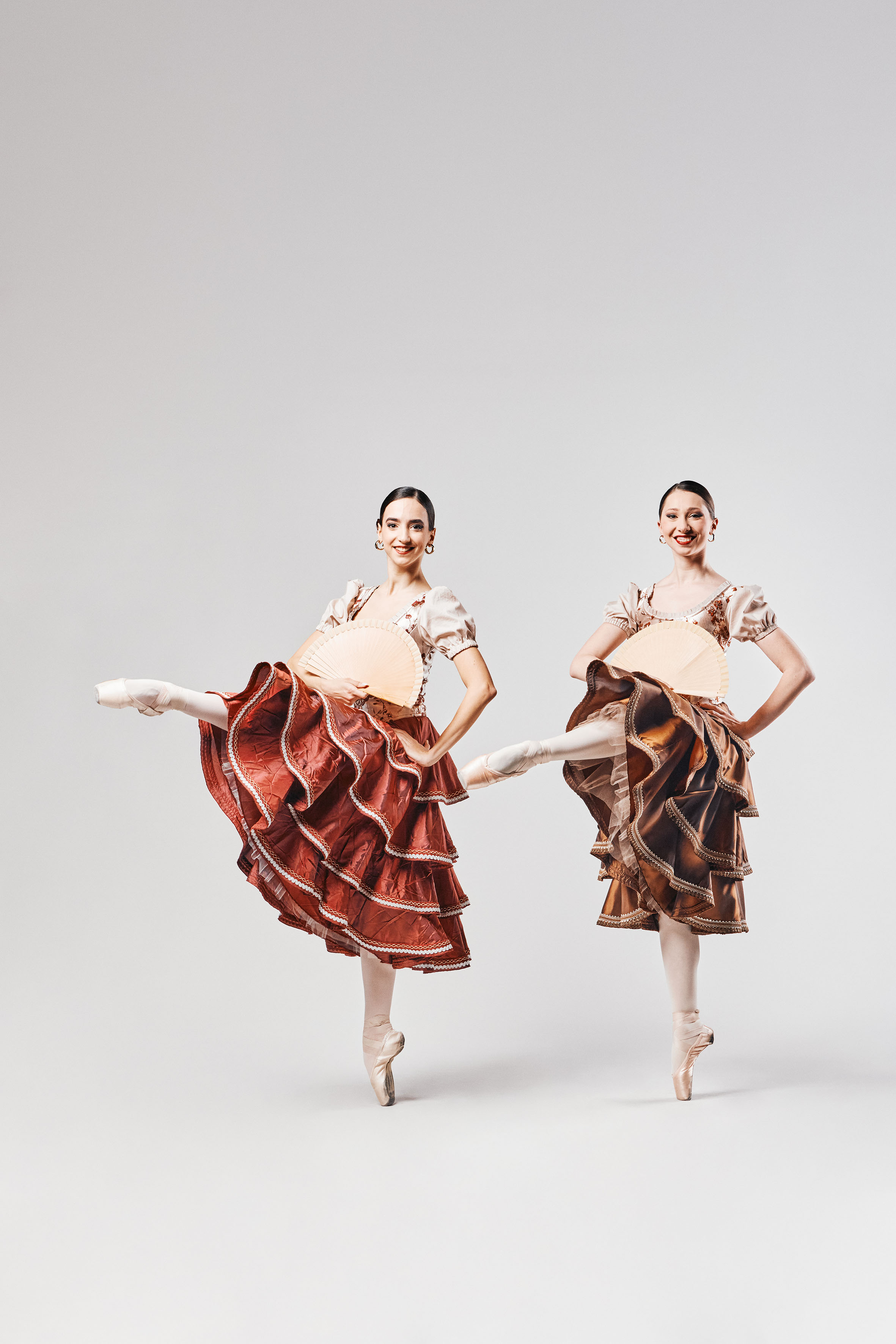
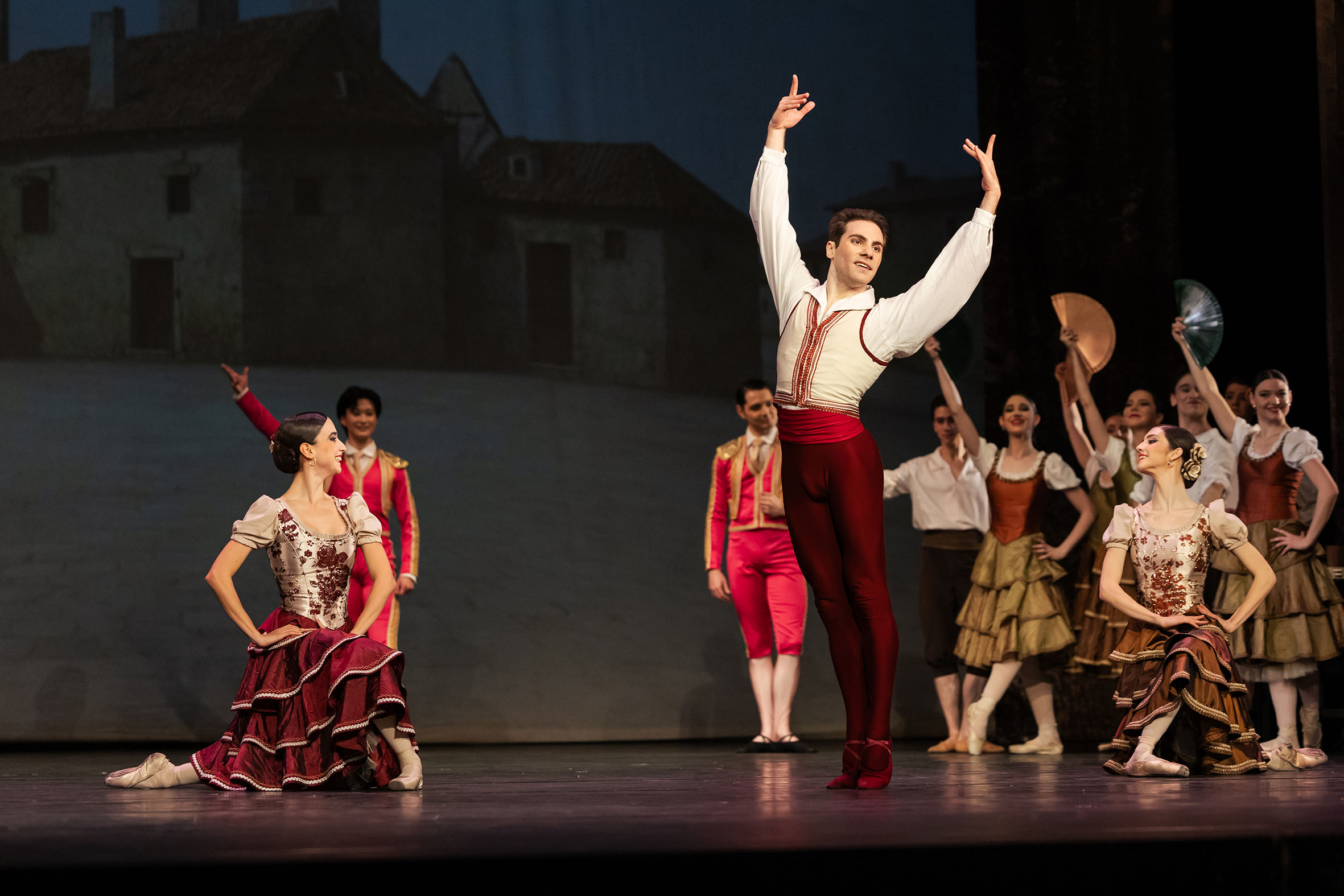
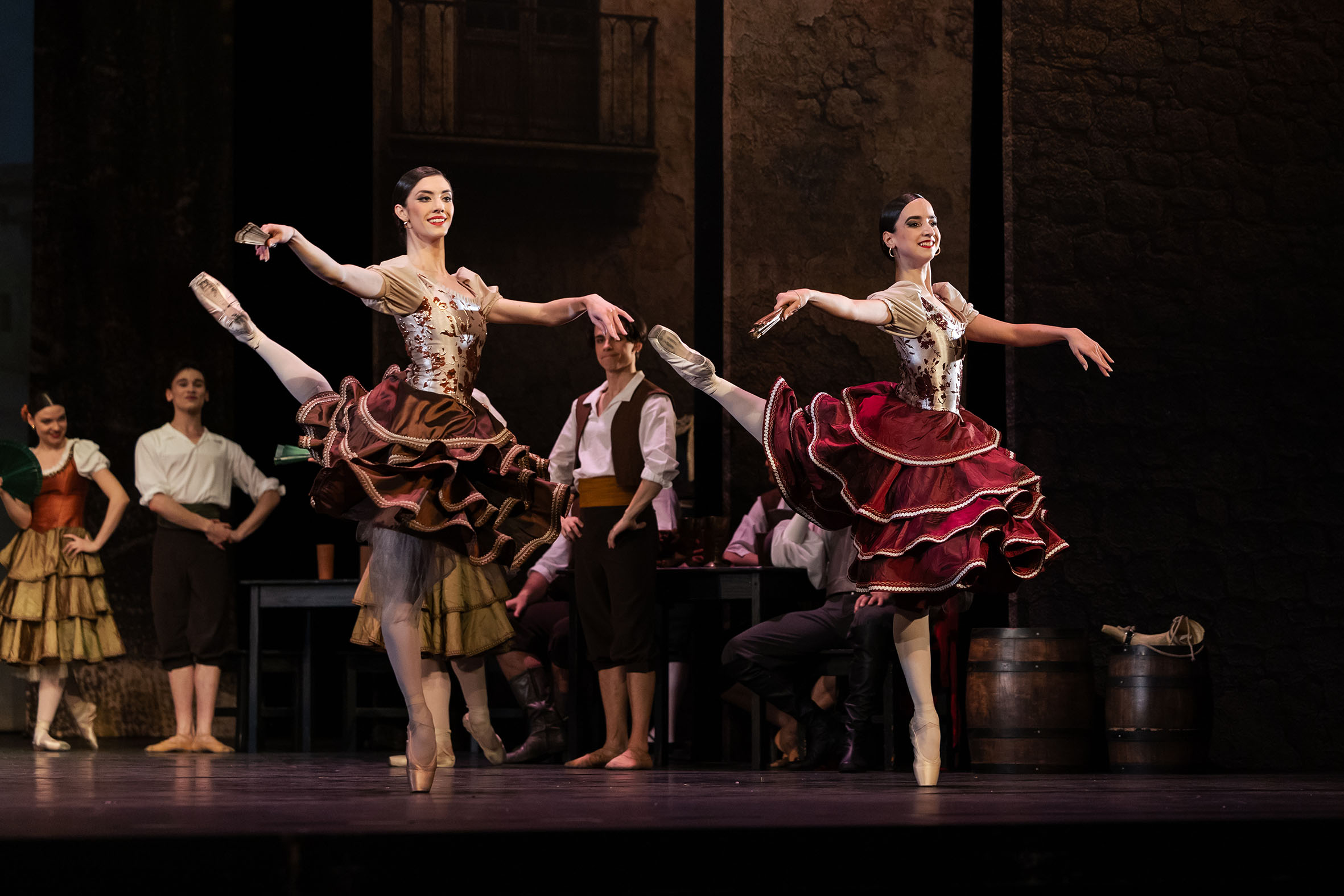
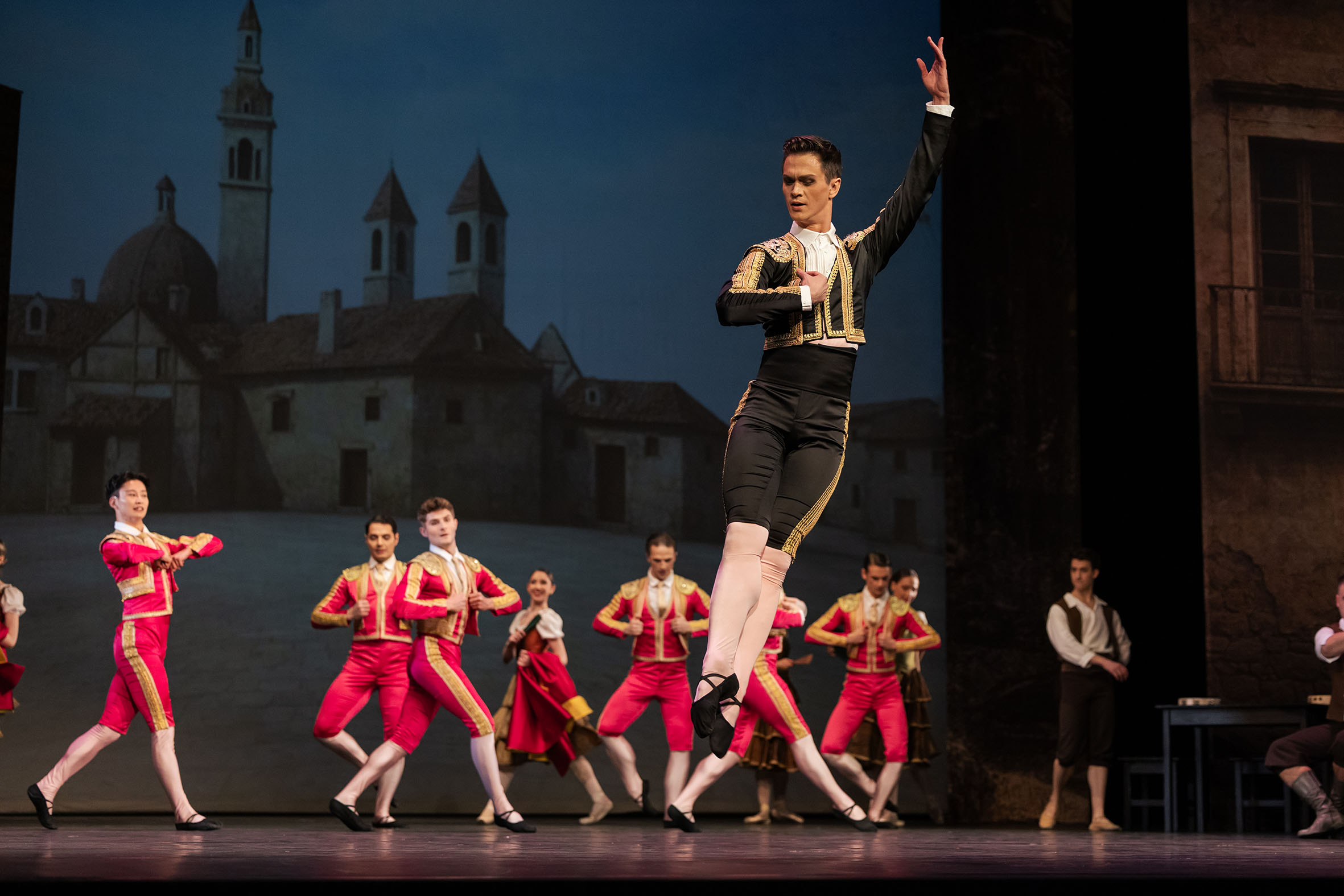
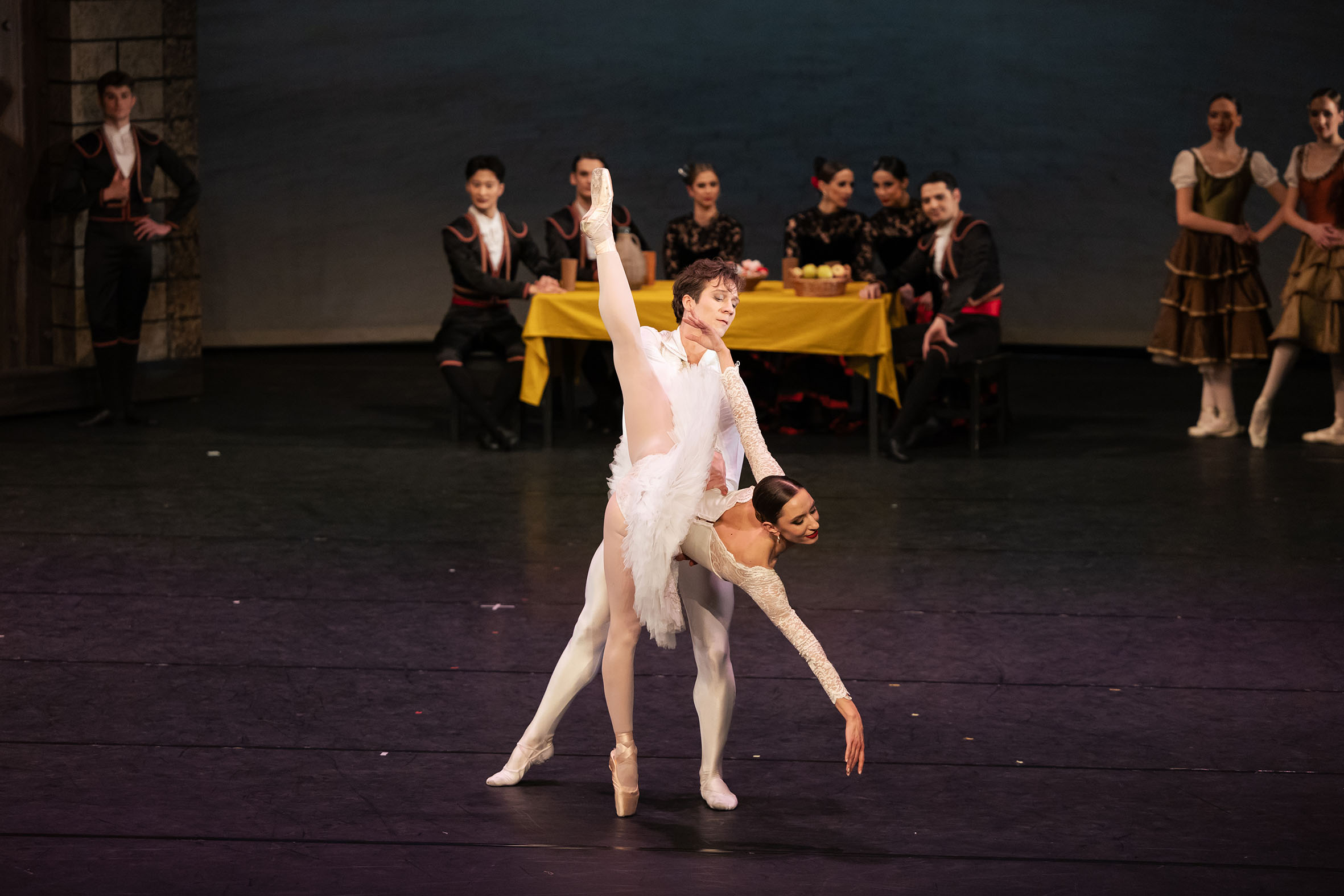
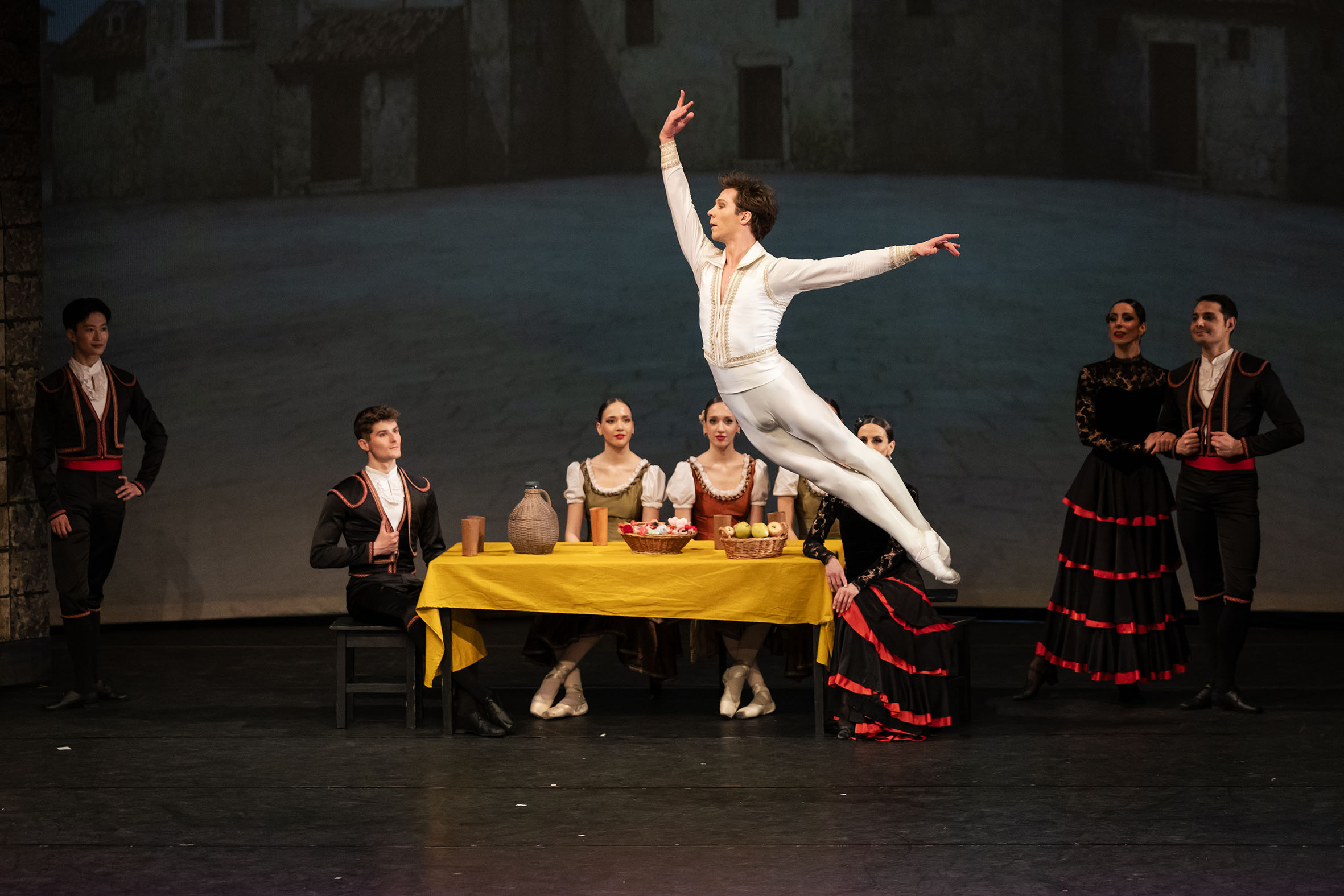
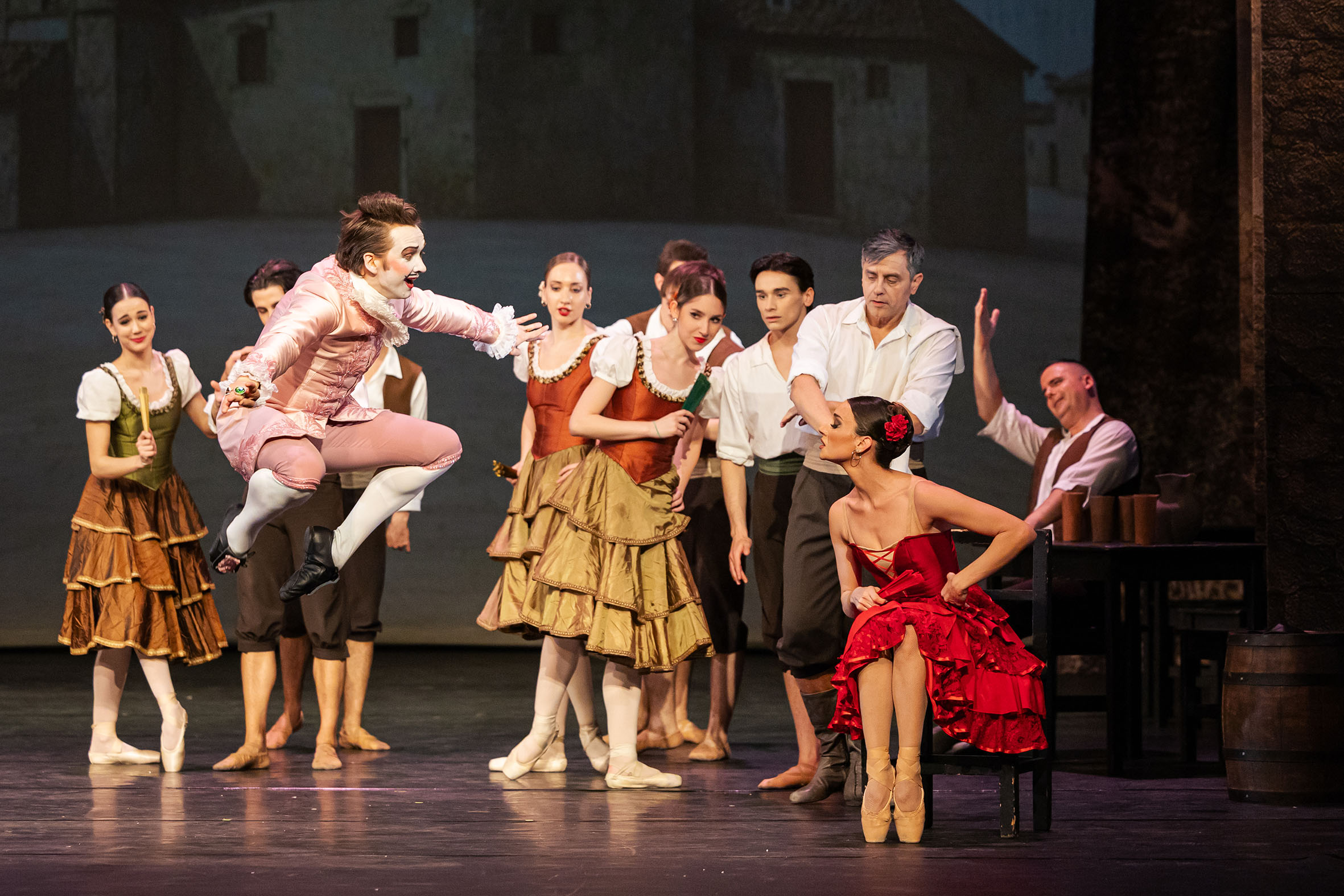
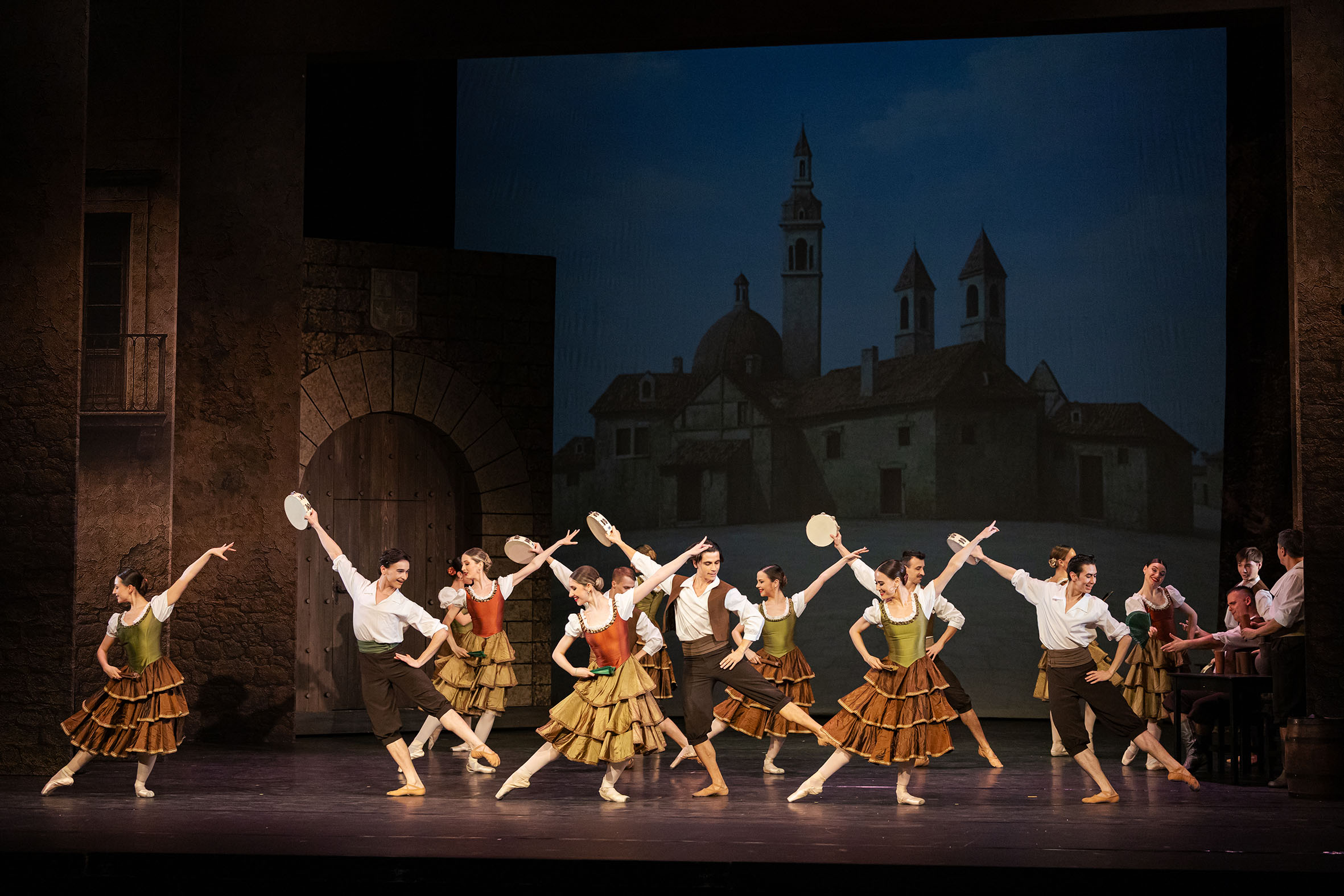
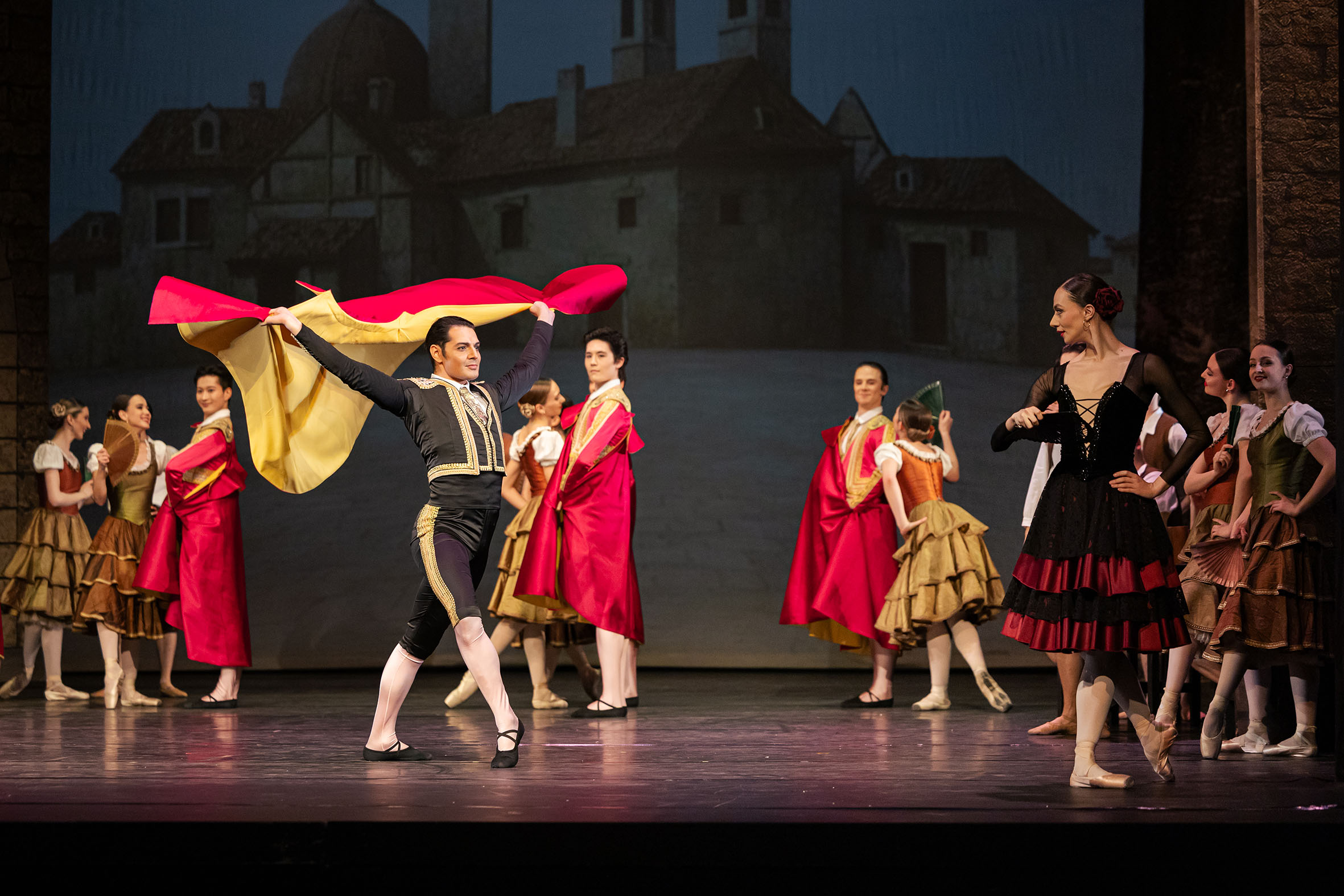
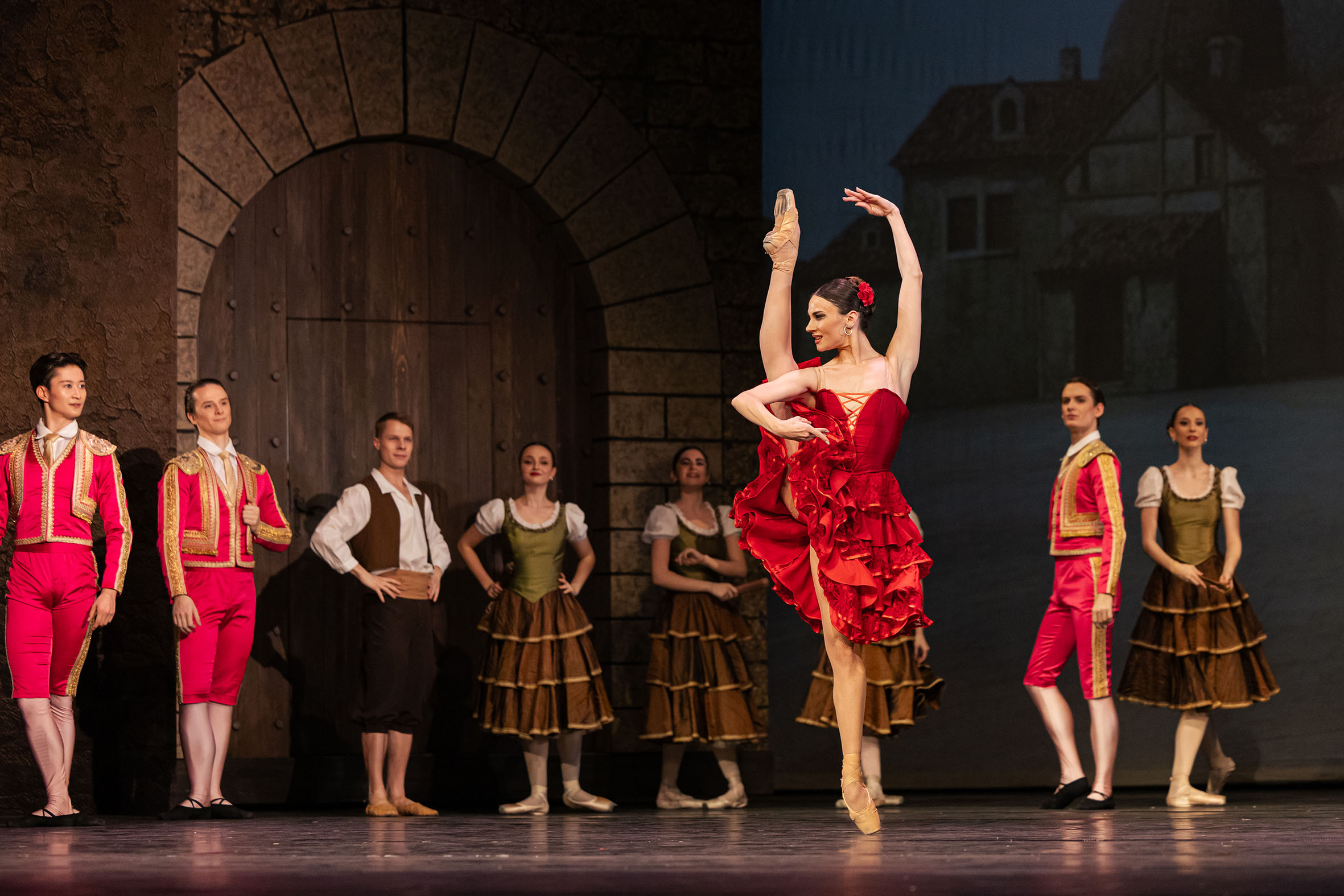
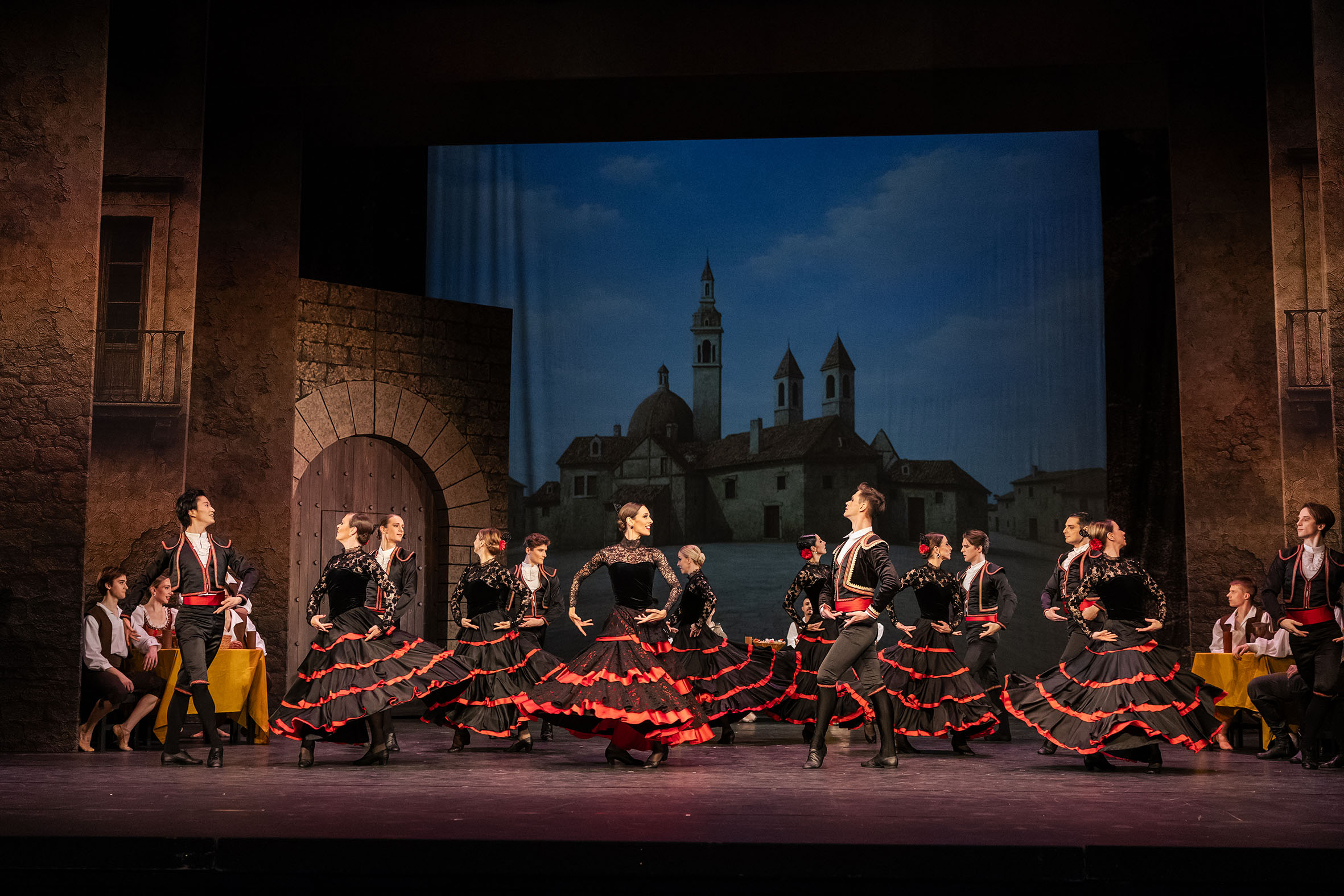
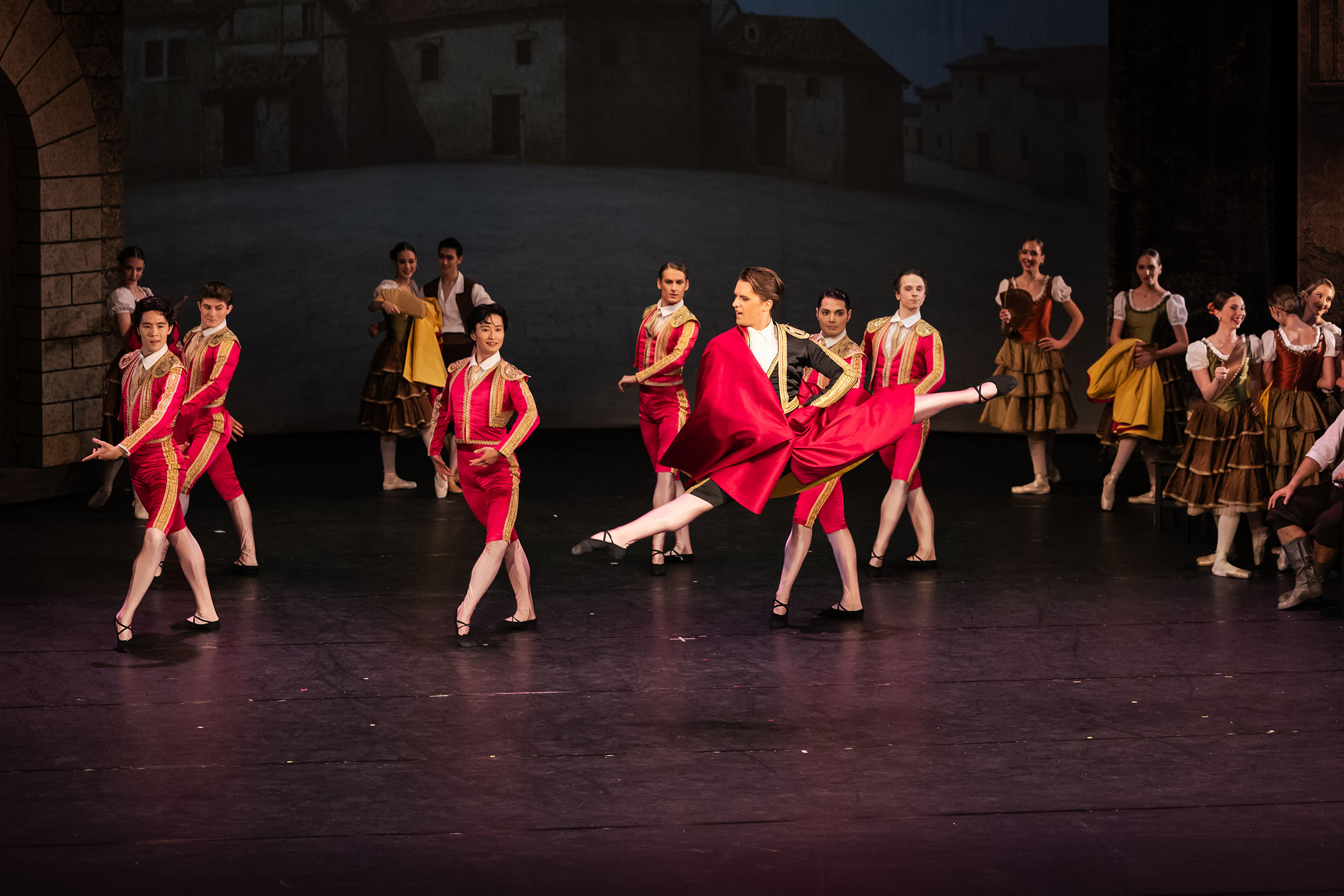
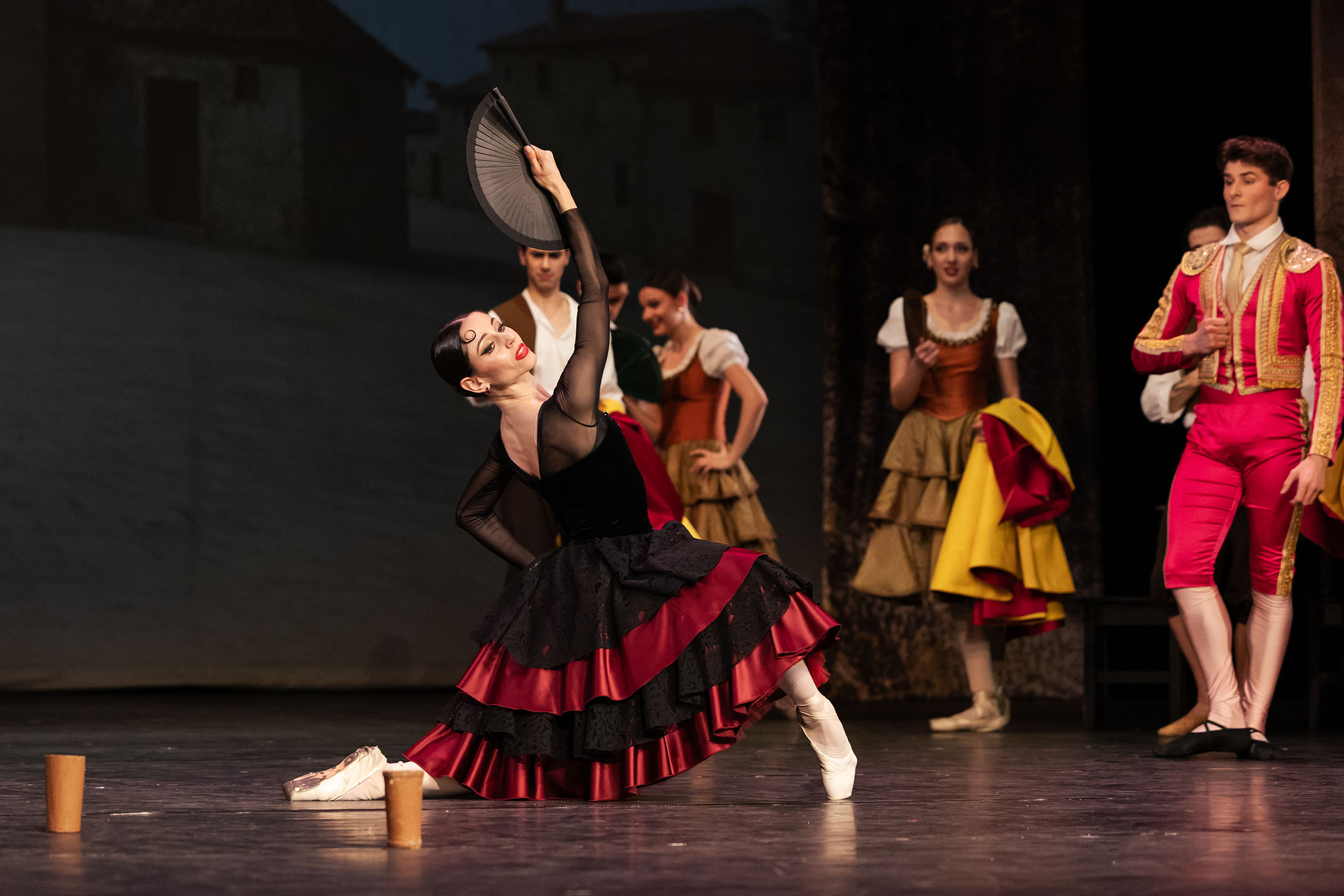
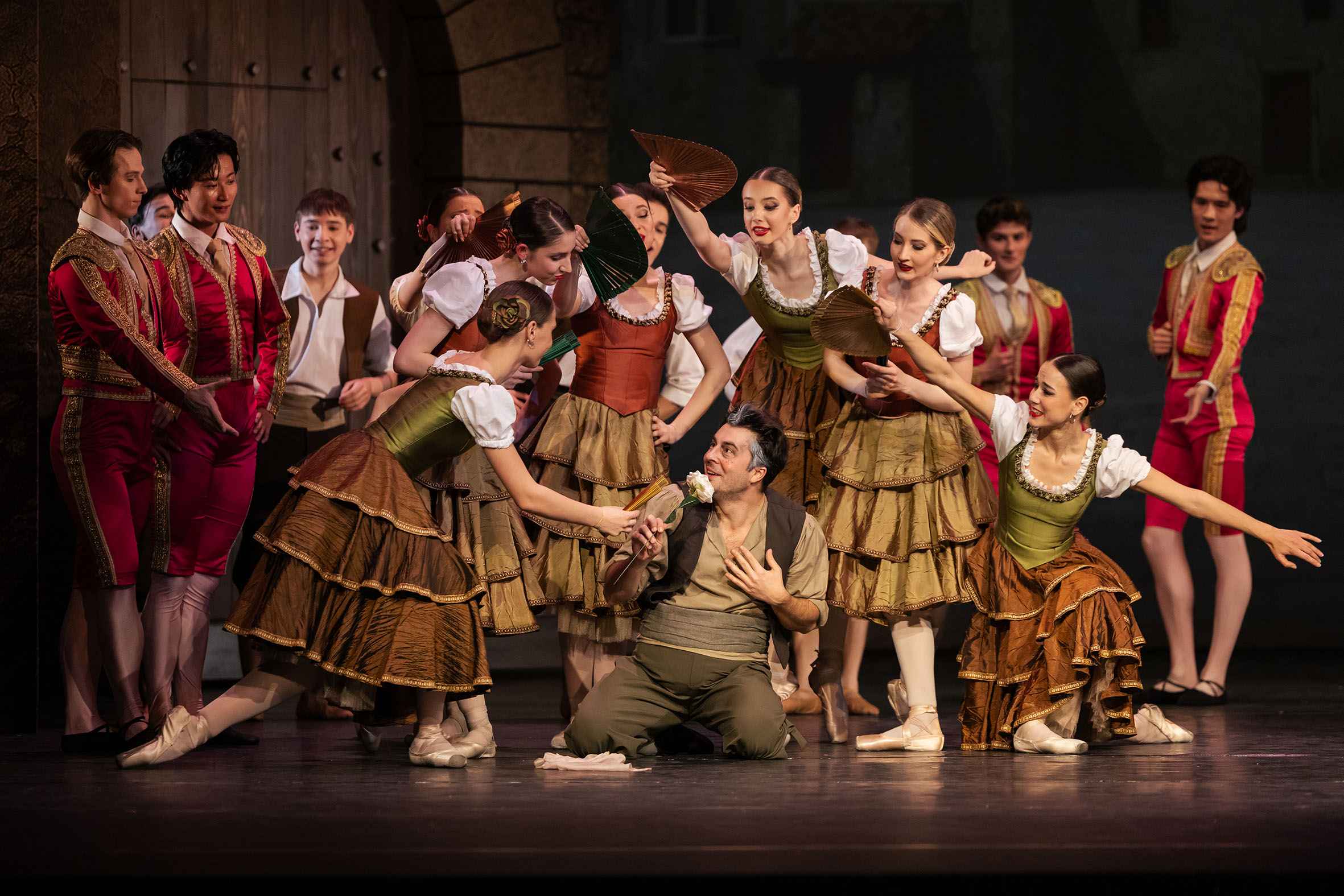
Square of a town in Castile. Kitri, Lorenzo’s daughter, the innkeeper, flirts with her neighbor Basilio, the barber. They both love each other since they were little but her father wants to separate them. The lovers ask him to approve their wedding, but he refuses because Basilio is poor and has arranged for his daughter to marry Gamache, a wealthy and vain nobleman. The latter courts Kitri but she rejects him. The square comes alive with the arrival of the bullfighters. Don Quixote and Sancho Panza appear and go to refresh themselves at the inn. Don Quixote sees Kitri and believes he has found Dulcinea again. The innkeeper wants to conclude his daughter’s betrothal to Gamache as soon as possible, but Basilio gets in the way and Don Quixote decides to shield him to facilitate his escape with Kitri.
ACT II
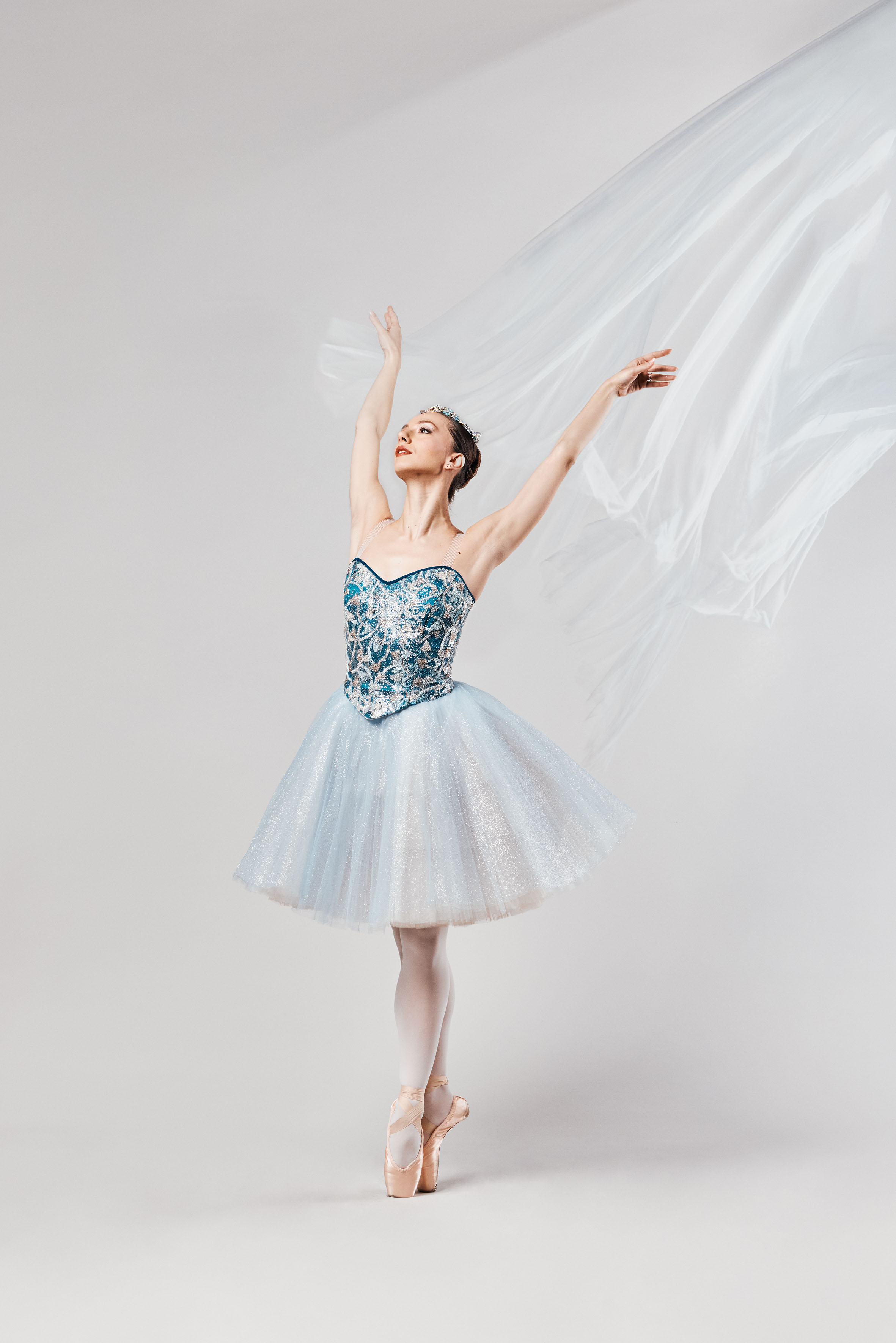
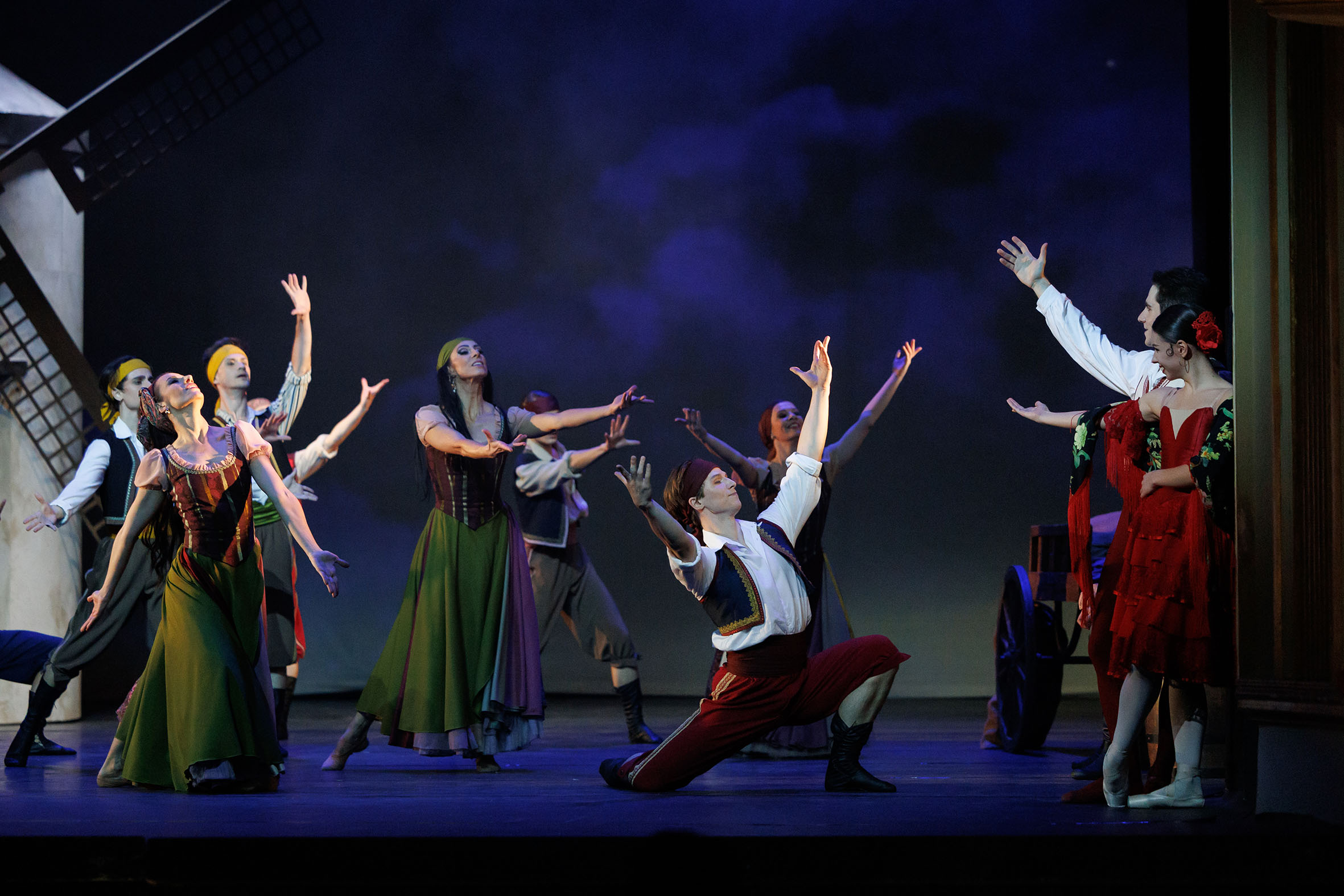
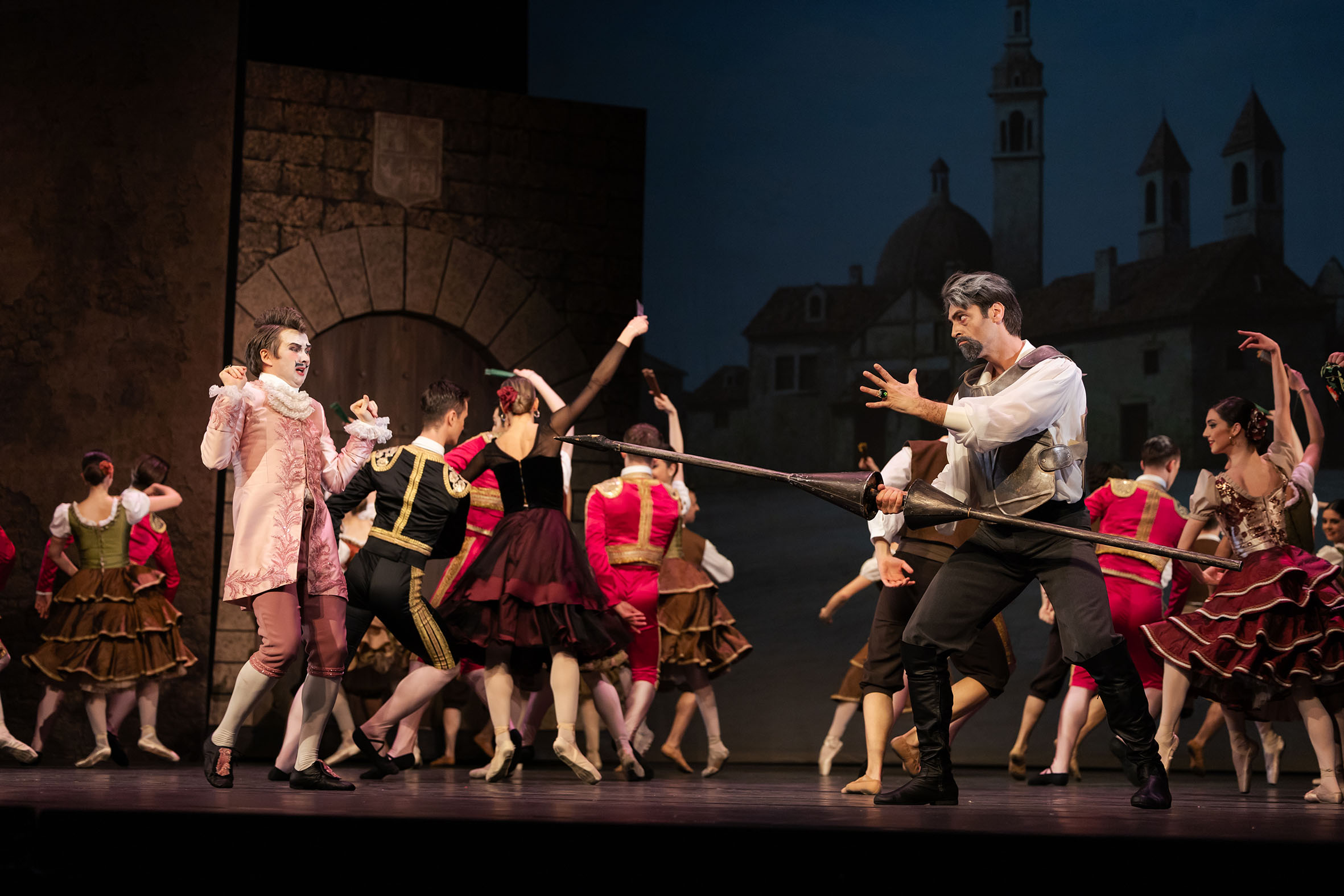
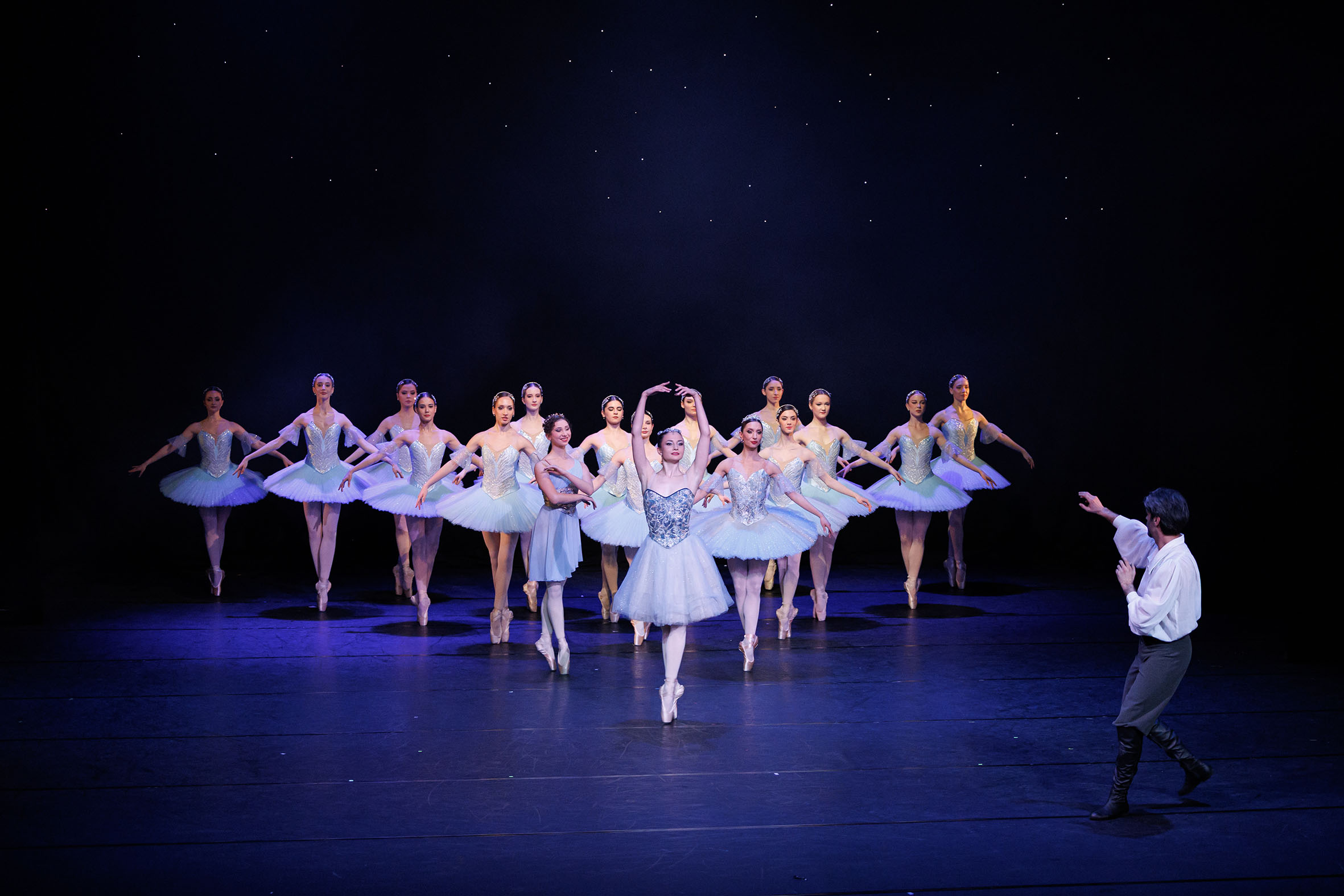
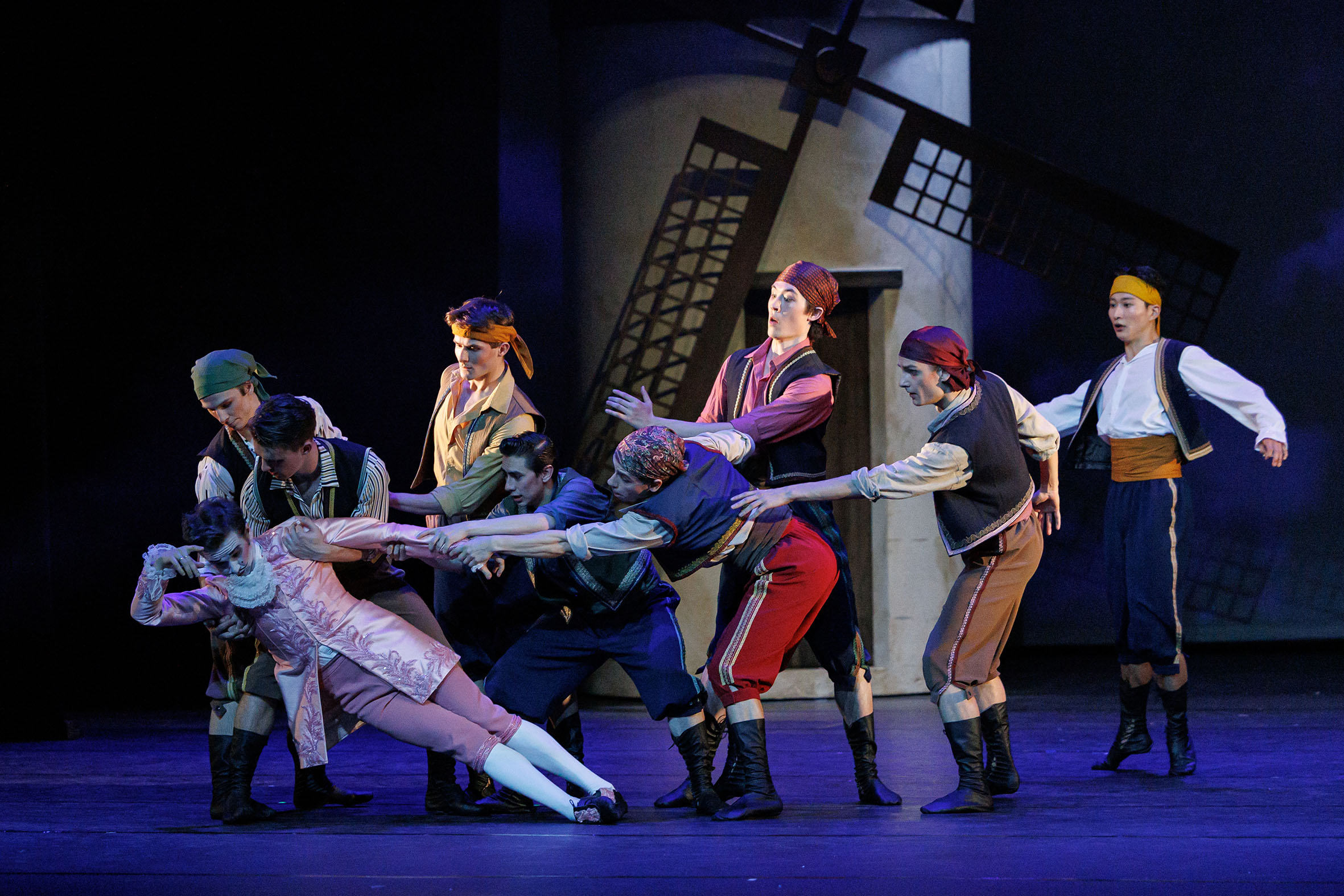
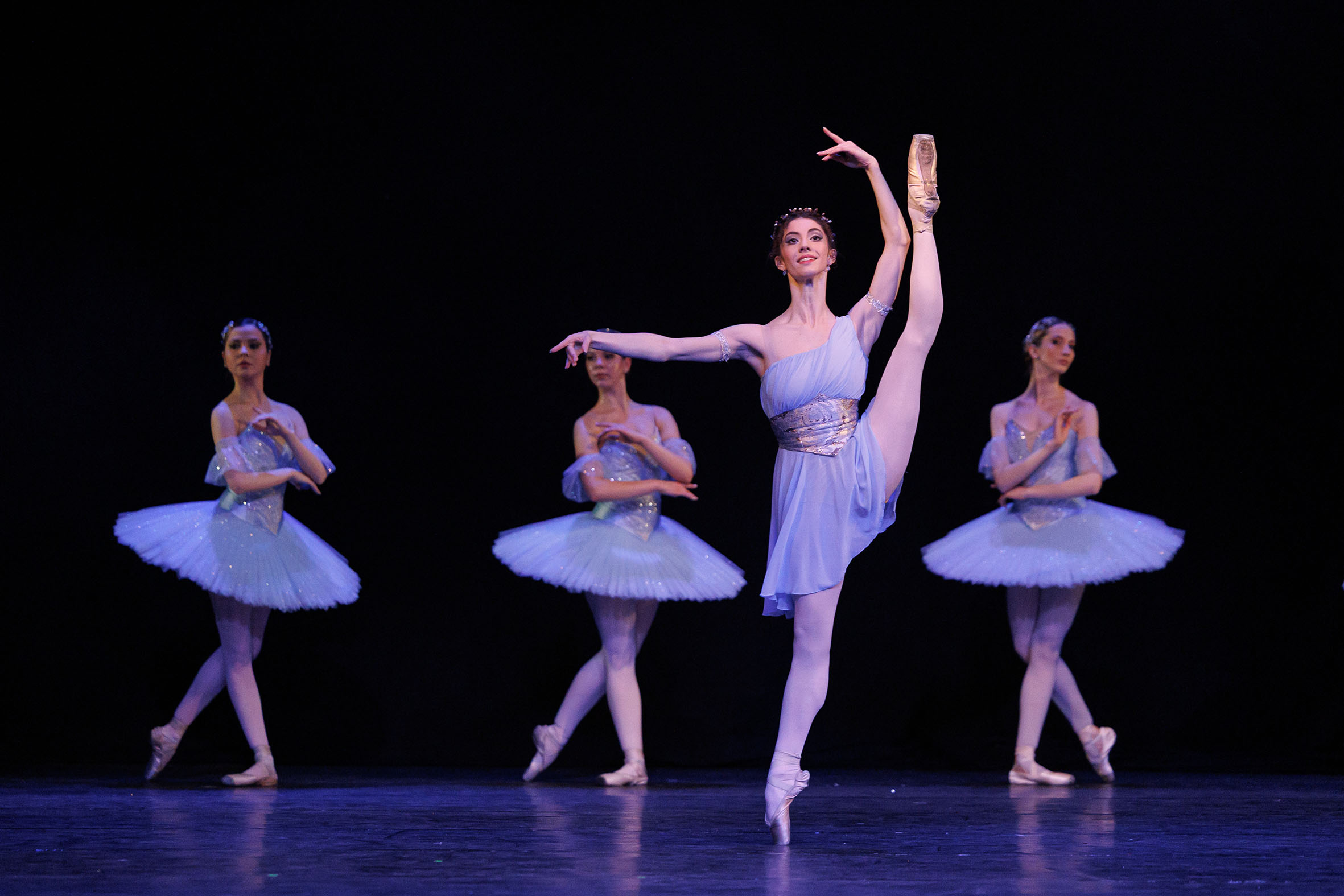
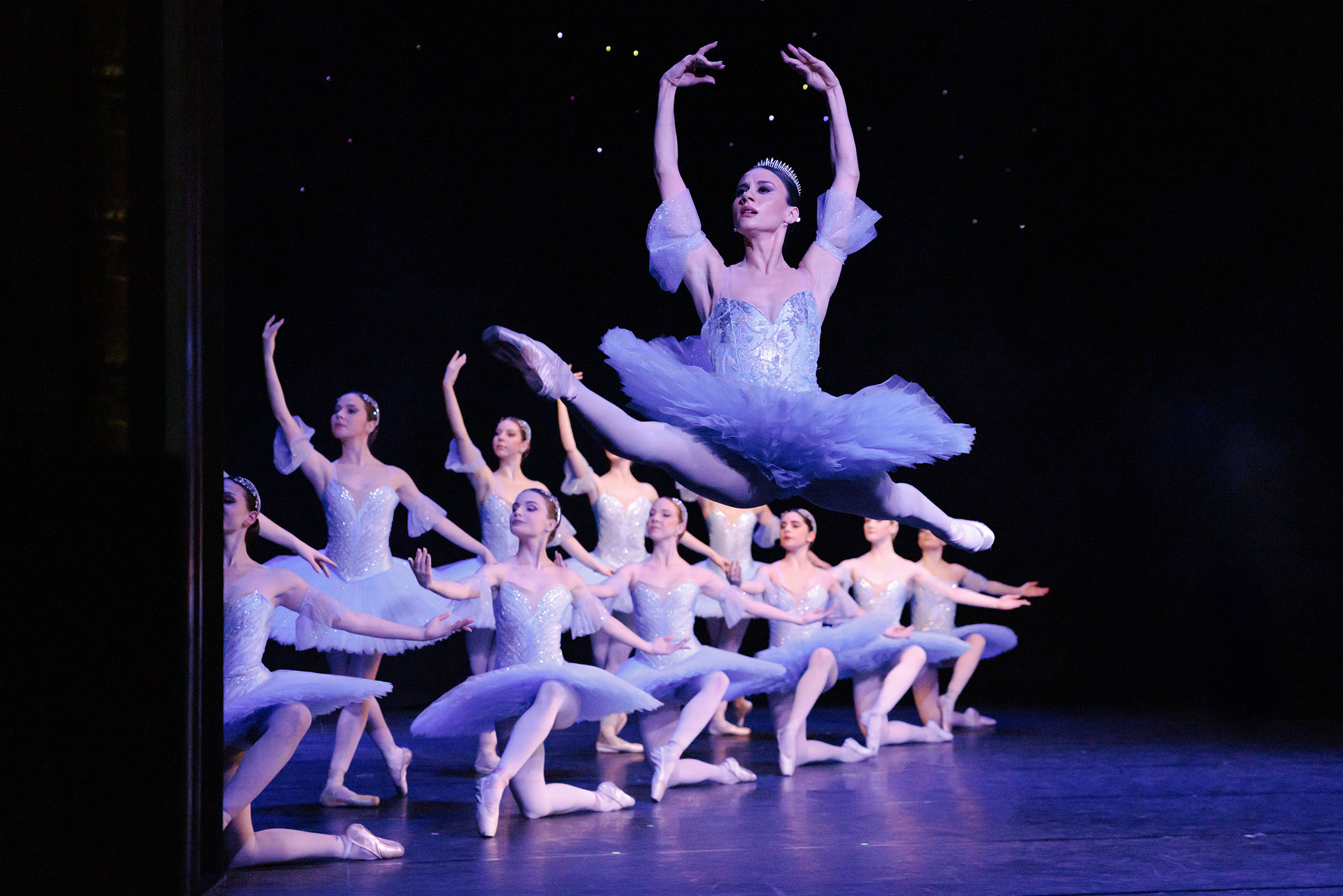
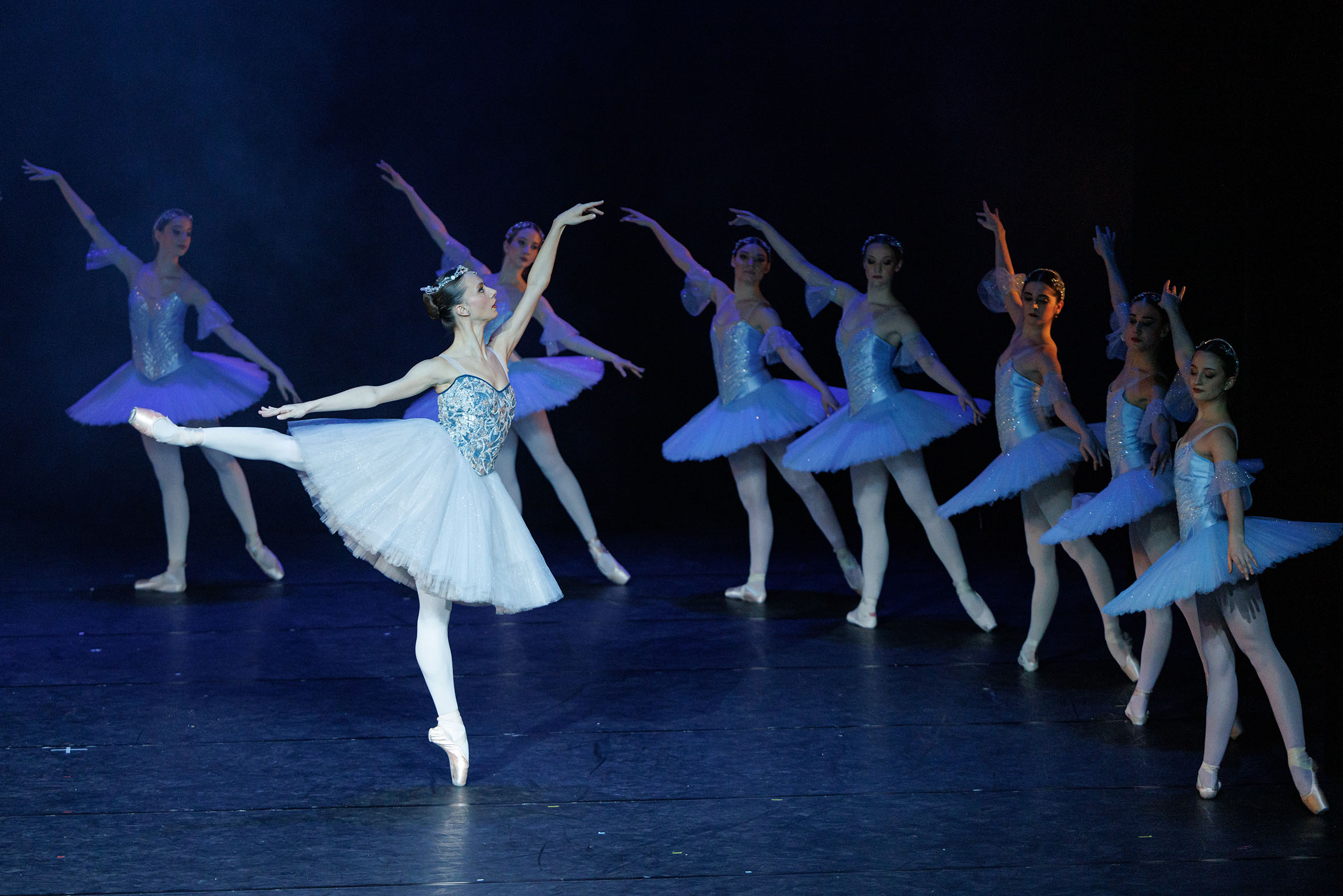
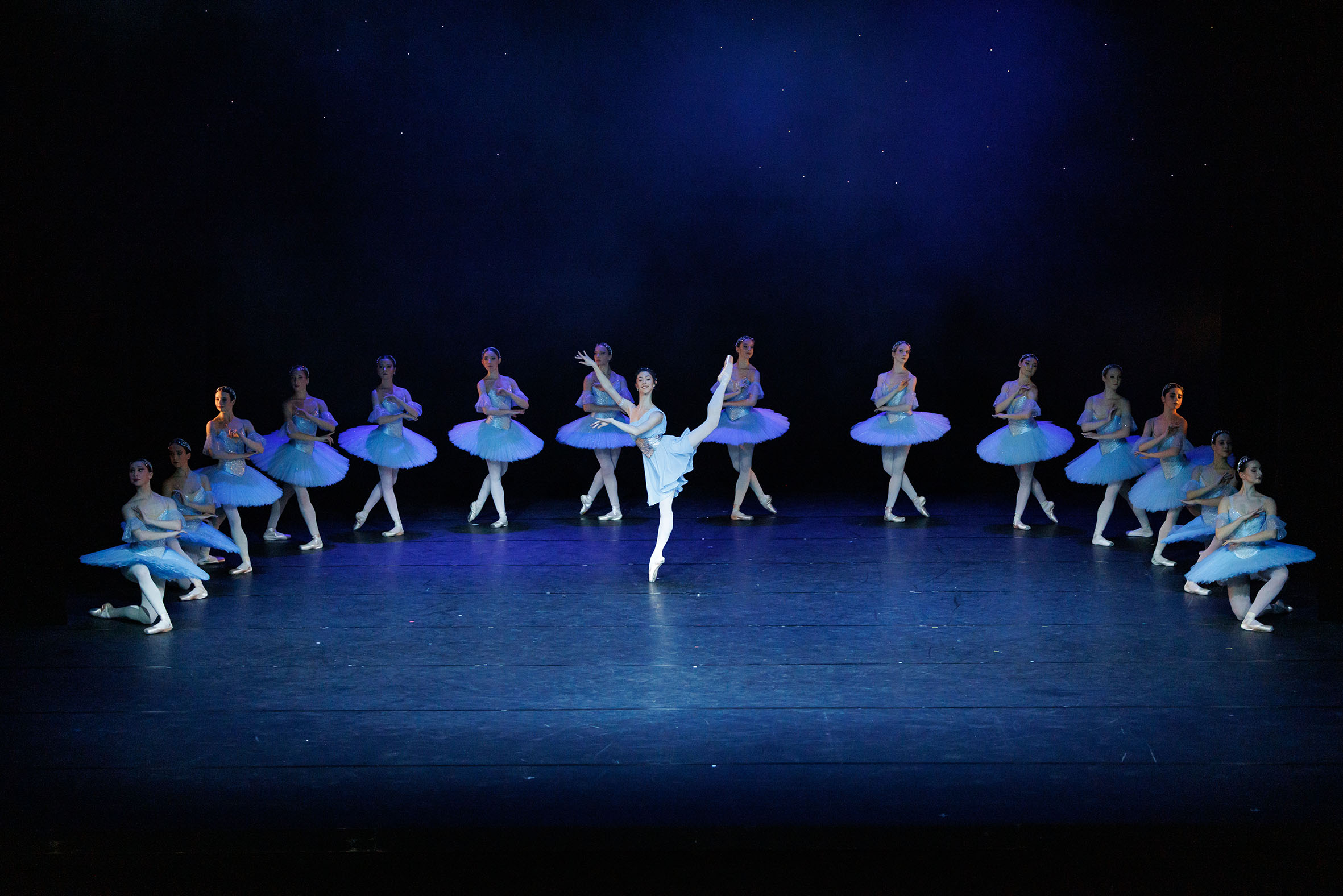
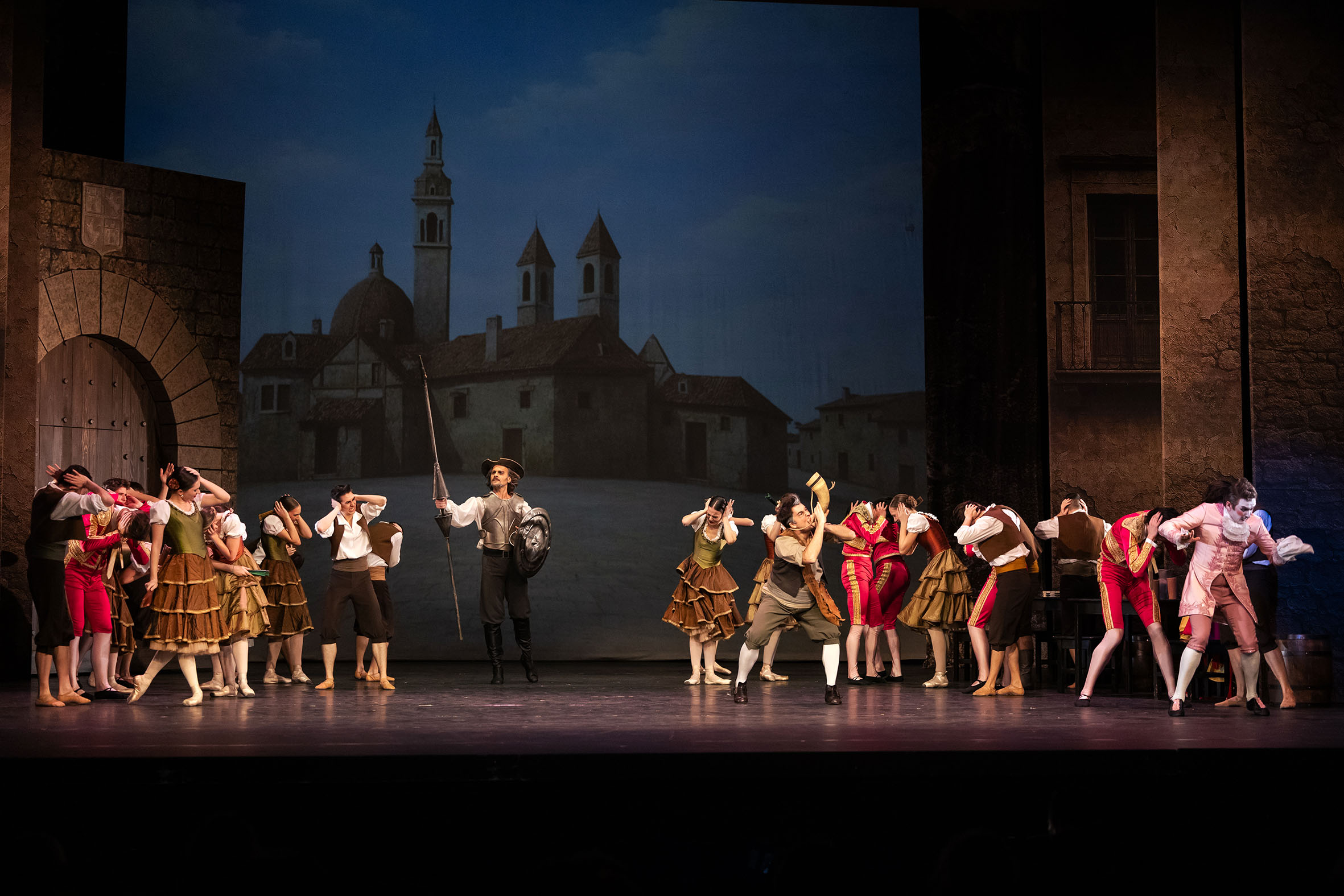
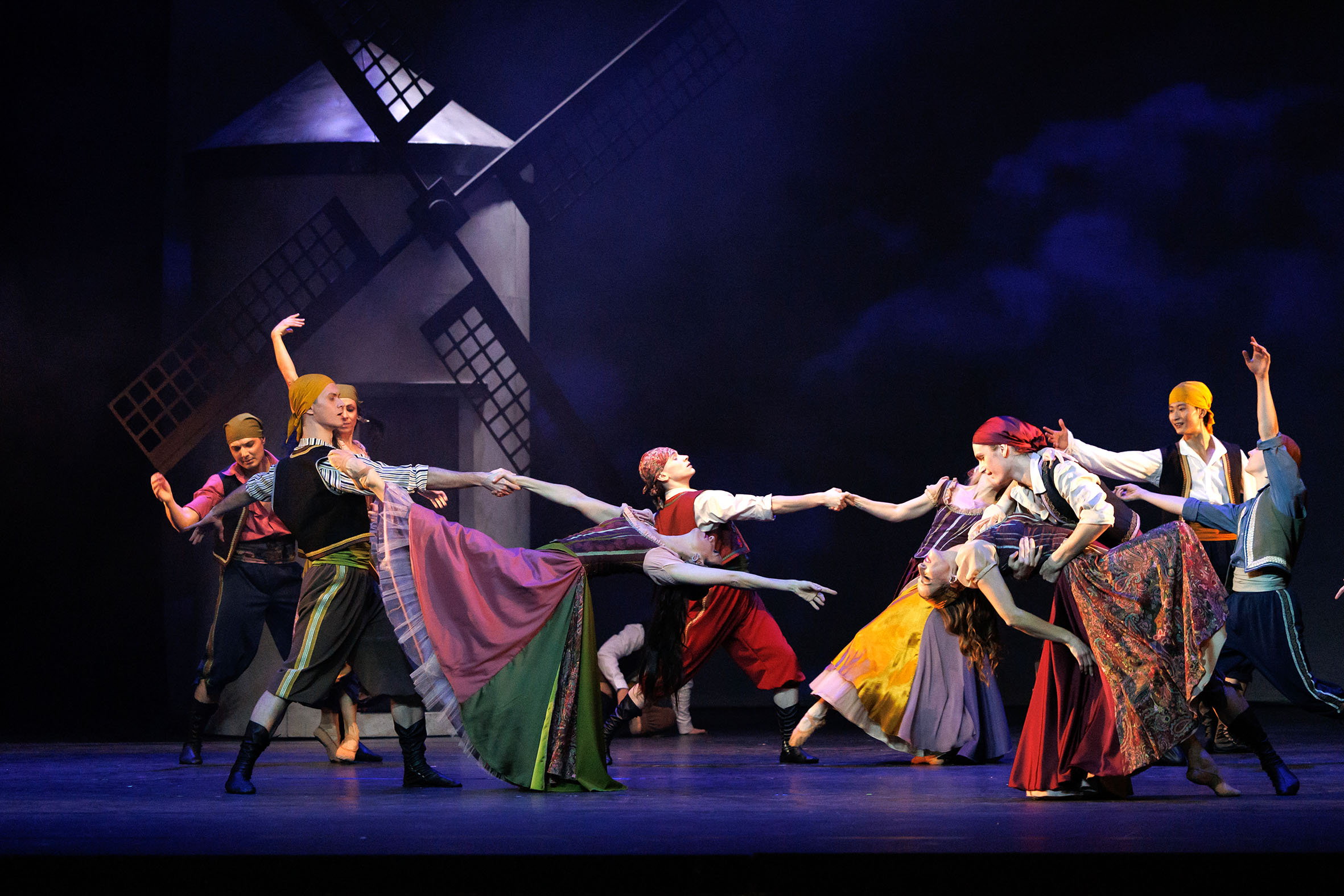
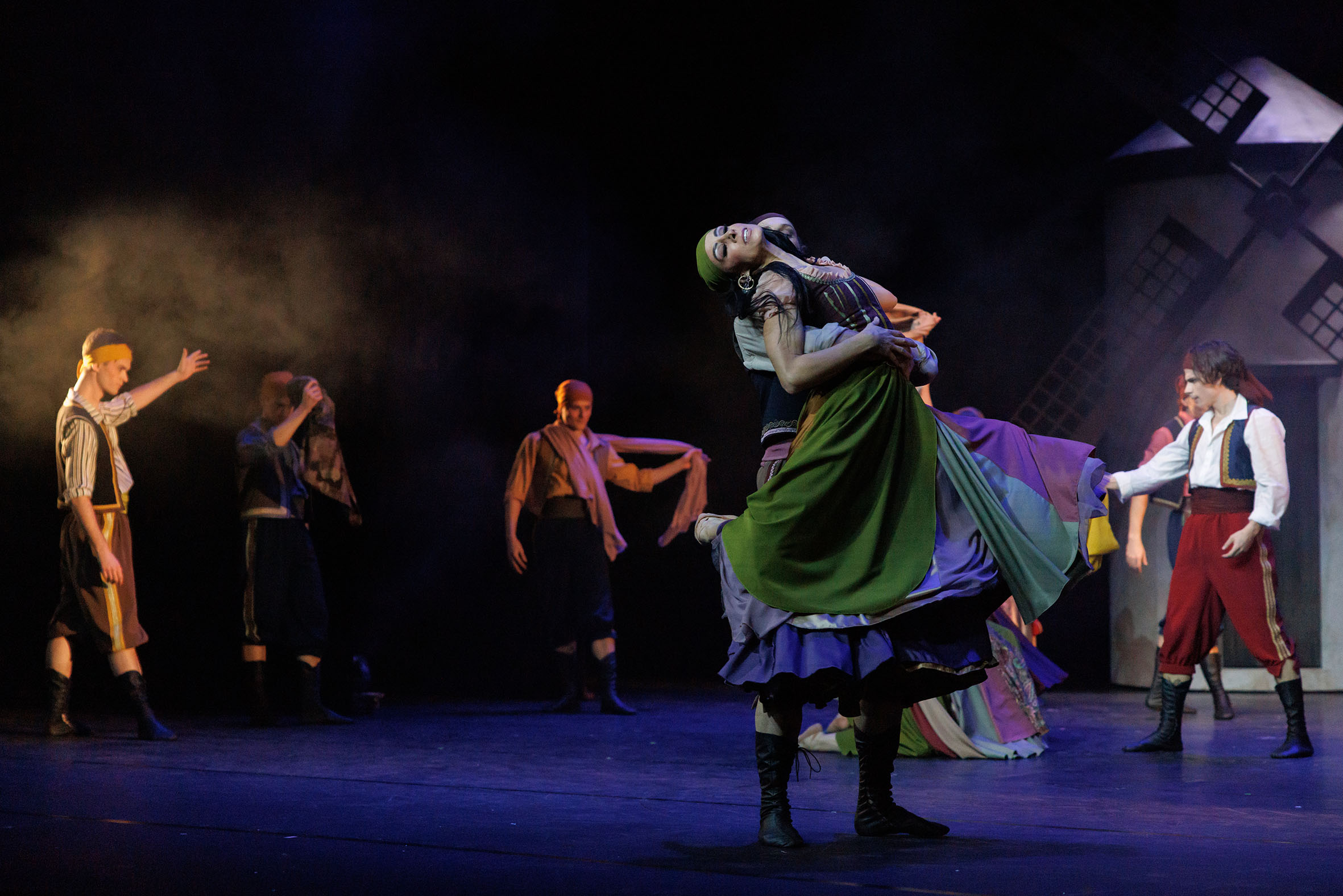
The darkness of the night protects lovers. Suddenly a group of gypsies appears and, recognizing the couple, welcomes them with sympathy. Don Quixote and Sancho arrive at the place and shortly after Lorenzo and Gamache break into the camp, recovering Kitri; Basilio manages to escape. Don Quixote takes sides with the lovers and with his spear confronts the windmills, mistaking them for giants. In a futile fight, he is injured and falls to the ground exhausted. Upon waking up and under the effects of the hit, Don Quixote, in his hallucinations, sees his Dulcinea appear again, followed by Cupid and the dryads, unreal creatures that inhabit the forest.
ACT III
Everything is ready for the wedding between Kitri and Gamache. Among the guests are Don Quixote and Sancho Panza, the bullfighter, Espada, and Mercedes, his lover. A mysterious character, wrapped in a cape, is introduced at the beginning of the ceremony. It is Basilio, who shows his barber’s razor and pretends to commit suicide. Kitri wishes to at least fulfill the young man’s last wish —that is, to marry her— on the eve of his death. Don Quixote intercedes on his behalf. A priest blesses the union and Basilio confesses his ruse. Gamache surrenders to the evidence and Don Quixote intervenes so that Kitri and his father can reconcile and the wedding between Kitri and Basilio can be celebrated. At the end of the party, and after saying goodbye to everyone, the errant knight and his faithful squire will continue their adventures walking towards their dreams.
Text prepared by B. Knežević
Source: Spanish National Dance Company
Premiere performance
Premiere January 29, 2026
Main stage
Ludwig Minkus
Don Quixote
Ballet with а prologue and three acts
After the novel by M. de Cervantes
Choreographer Jose Carlos Martinez
Choreographic version after M. Petipa, A. Gorski
Assistant Choreographer Ana Elena Martin
Choreographer of Bolero, Fandango Mayte Chico
Concept Design for Costumes and Scenography Jose Carlos Martinez
Costume realization Veljko Tomović
Set realization Pavel Zafirović
Costume and sets sketch realization Miodrag Dragojević
Conductor Đorđe Stanković